

Home Team Luxury Rentals Blog

Discover the best team-building activities in Corvallis, from escape rooms and OSU challenges to trails, wineries, downtown fun, and memorable group outings.

Plan a corporate retreat in Corvallis with flexible venues, group lodging, outdoor activities, dining ideas, and practical tips for a productive team trip.

Discover luxury outdoor living in Phoenix, from private pools and shaded patios to outdoor kitchens, desert views, wellness spaces, and amenities for travelers here.

Explore the best things to do in Corpus Christi, Texas, from beaches and the Texas State Aquarium to USS Lexington, museums, islands, and coastal adventures.

Explore water rides and Smoky Mountain adventure in Tennessee, from Soaky Mountain and Splash Country to family rafting and outdoor fun near Sevierville, TN.

Explore Corvallis event spaces, group lodging, outdoor settings, and planning tips for an unforgettable celebration in Oregon’s scenic Willamette Valley.

Discover intimate wedding venues in Corvallis, Oregon, from vineyards and rustic farms to elegant event spaces, plus lodging ideas and practical planning tips.

Explore the Tennessee air museum in Sevierville with restored warbirds, military exhibits, visitor hours, admission prices, family tips, and trip planning advice.

Explore Phoenix event tourism and why large vacation homes appeal to sports fans, wedding groups, families, convention travelers, and group trips with extra space.

Find spacious Corvallis vacation rentals for families, wedding groups, teams, alumni, and retreats, with room to gather, cook, relax, and stay together comfortably.

Find the best Corvallis stays for family reunions, wedding parties, teams, and friends, from spacious vacation rentals to convenient hotels near OSU campus.

Explore the best pet-friendly restaurants in Tucson, AZ, from shaded dog-friendly patios and brunch spots to breweries, local eats, and outdoor dining for travelers.

Plan a visit to NASCAR SpeedPark Sevierville Tennessee for go-kart racing, family rides, arcade games, mini golf, and all-day Smoky Mountain fun for kids and adults.

Spring Training in Phoenix boosts vacation rental demand through sports tourism, group travel, longer stays, event-driven pricing, and seasonal booking trends.

Explore 13 ways to enjoy Corvallis, Oregon, from group stays and OSU weekends to weddings, wineries, wellness retreats, family reunions, shopping, and more.

Plan a visit to RainForest Adventures in Sevierville, TN, with tips on animals, hours, tickets, close encounters, accessibility, and nearby Smoky Mountain fun.

Explore Phoenix golf tourism and how golf demand shapes seasonal bookings, group stays, luxury travel, amenities, and revenue strategy for Arizona vacation rentals.

Luxury Neighborhoods in Phoenix, AZ: Where High-End Vacation Homes Are Concentrated

Explore family fun and indoor activities in Sevierville, Tennessee, from go-karts and trampoline parks to wildlife attractions, games, and waterparks.

Planning Scottsdale group trips? Discover why large luxury homes offer comfort, privacy, shared spaces, private amenities, and easier logistics for tours and groups.

Discover the best things to do in Sevierville, Tennessee, from Smoky Mountain hikes and family attractions to shopping, history, waterparks, and day trips.

Discover why Scottsdale wellness travel is growing and how private vacation homes provide luxury, privacy, wellness amenities, outdoor spaces, and flexible stays.

Discover Scottsdale luxury outdoor living with private pools, shaded patios, outdoor kitchens, fire pits, and desert spaces designed for memorable guest stays.

Scottsdale event tourism drives peak demand for large vacation homes during golf tournaments, car shows, festivals, holidays, and group getaways throughout the year.

Discover Sweet Mimosa Lodge near Pigeon Forge, a luxury Sevierville retreat with an indoor pool, hot tub, game room, mountain views, and space for up to 20 guests.

Discover what guests look for in luxury group travel in Scottsdale, from spacious homes and private amenities to outdoor living, comfort, privacy, and convenience.

Discover why Scottsdale golf tourism attracts golfers to luxury vacation homes, offering space, private amenities, and convenient access to top courses.
Read our VTrips vacation rental management review covering services, fees, local operations, marketing, strengths, and how it compares with Home Team Luxury Rentals.
Read our iTrip Vacation Rental Management Review to compare fees, services, franchise operations, reviews, and how iTrip stacks up for property owners.
:::
Explore our RedAwning Vacation Rental Management Review covering fees, services, pros, cons, and how RedAwning compares with Home Team Luxury Rentals for owners.
Read our PMI vacation rental management review covering services, fees, local operations, technology, strengths, and how it compares with Home Team Luxury Rentals.

Read our Moving Mountains property management review covering services, fees, Colorado markets, revenue strategy, and how it compares with Home Team Luxury Rentals.

Read our Natural Retreats review covering luxury vacation rental management, fees, services, revenue strategy, and how it compares with Home Team Luxury Rentals.

Read our One Fine BnB review covering management fees, services, AI pricing, distribution, pros and cons, and how it compares with Home Team Luxury Rentals.

Explore our Awning Airbnb Management Review covering fees, services, pros, cons, revenue strategy, and how Awning compares with other property managers in 2026.
Read our Grand Welcome vacation rental management review covering services, fees, local operations, strengths, and how it compares with Home Team Luxury Rentals.
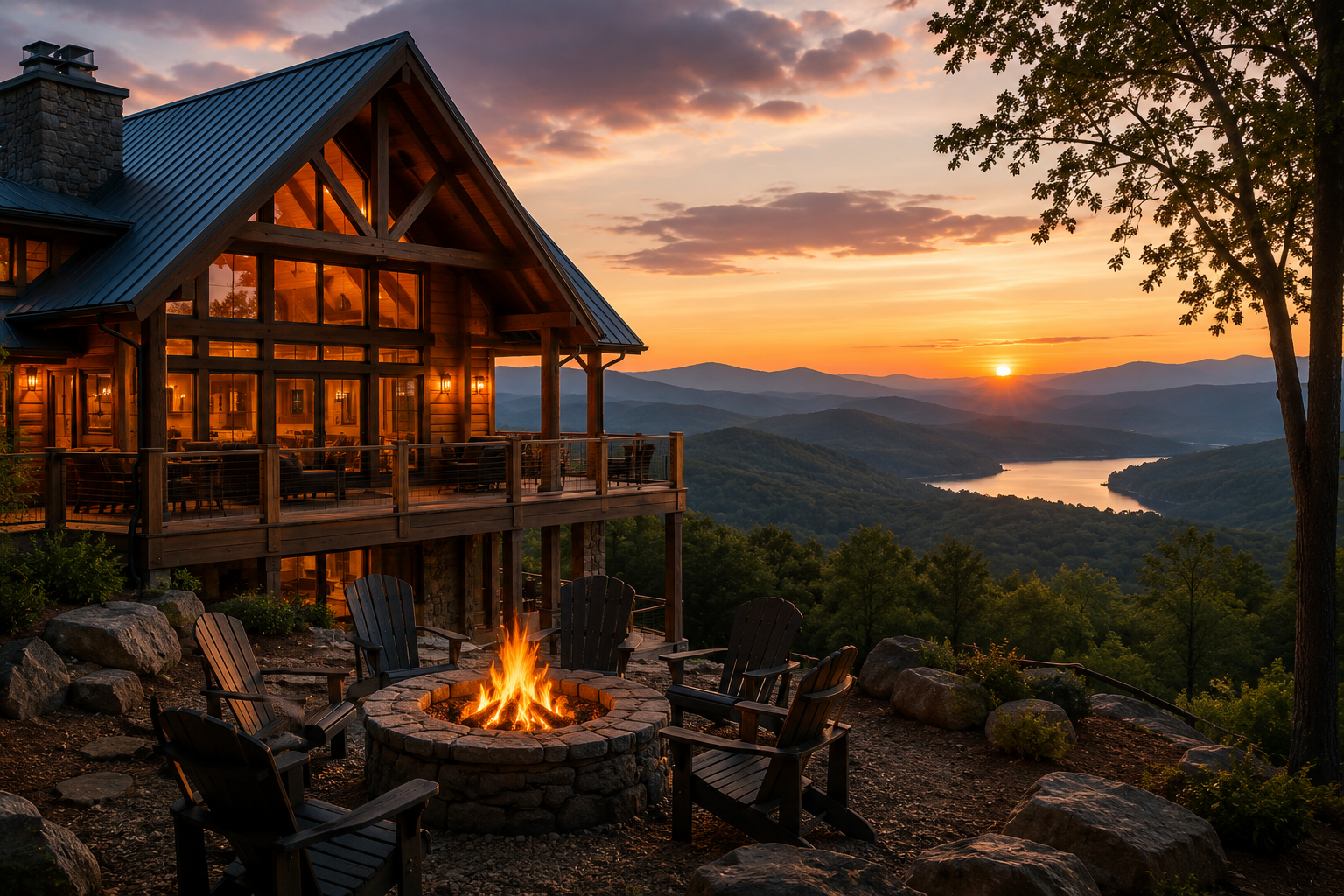
How Much Do Blue Ridge Cabin Rentals Make?
Read our SkyRun vacation rental management review covering services, fees, local operations, strengths, tradeoffs, and how it compares with Home Team Luxury Rentals.

Compare Home Team Luxury Rentals and Vacasa to see how their management, marketing, technology, fees, and property strategies differ for vacation rental owners.

Discover the best hiking trails in Tucson, Arizona, from scenic desert hikes to challenging mountain climbs, with trail tips, safety advice, and outdoor adventure.

Discover the best restaurants in Tucson, AZ, from authentic Sonoran cuisine and steakhouses to brunch favorites, fine dining, and unforgettable local flavors.

Discover the best things to do in Tucson, AZ, from Saguaro National Park and world-class museums to scenic hikes, local dining, and unforgettable desert adventures.
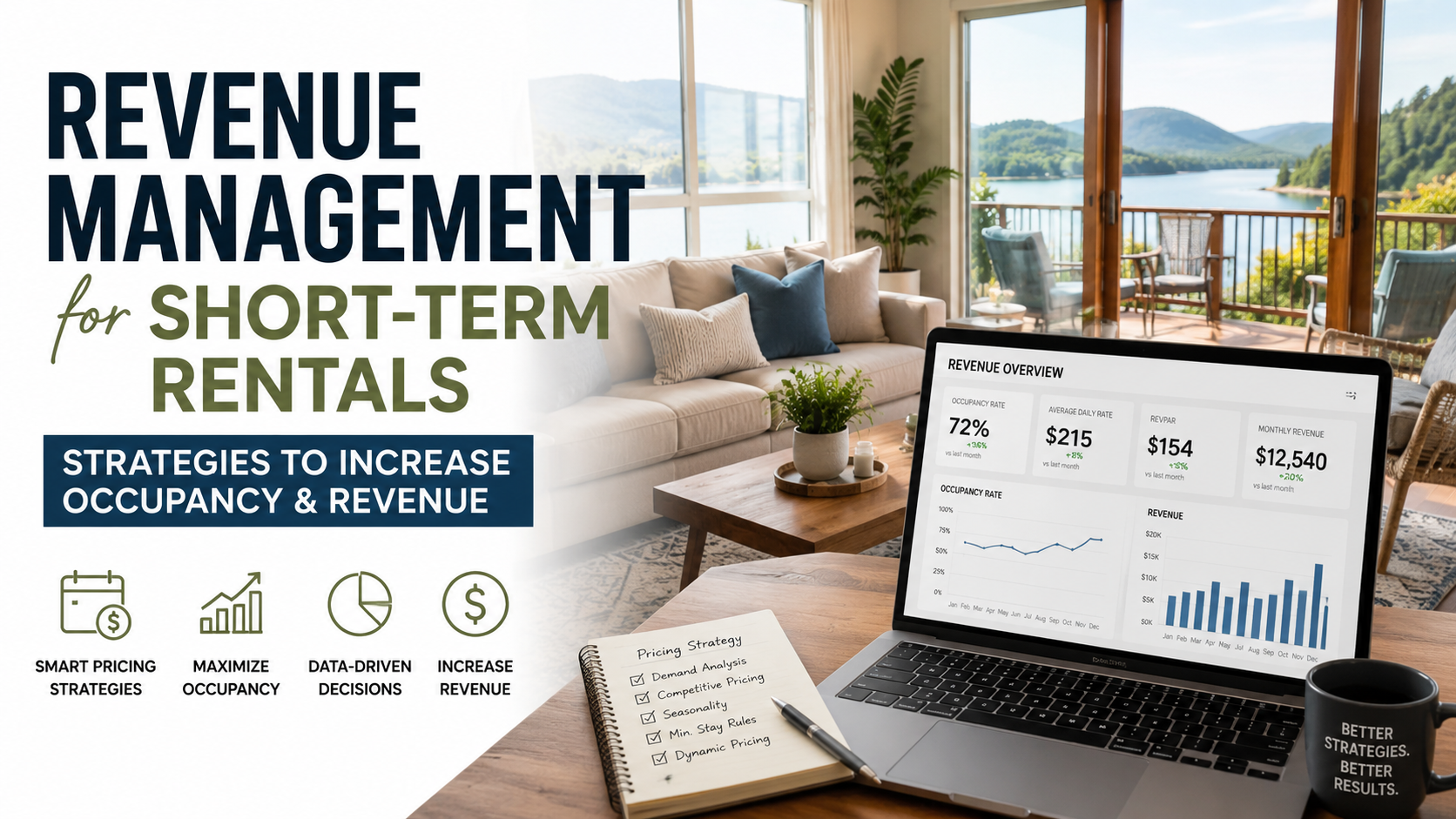
Learn revenue management for short-term rentals using dynamic pricing, demand forecasting, ADR, RevPAR, automation, occupancy optimization, and pricing strategies.

Discover why North Arizona should be your next vacation with the Grand Canyon, Sedona, Flagstaff, Lake Powell, scenic drives, and unforgettable adventures.

Discover the best family vacation destinations in Arizona, from the Grand Canyon and Sedona to Scottsdale and Phoenix. Explore resorts, activities, and travel tips.

Discover luxury travel in Arizona with top resorts in Scottsdale and Sedona, fine dining, spa retreats, golf, Grand Canyon tours, and unforgettable adventures.

Discover experiential travel in Arizona with authentic adventures, local culture, scenic landscapes, outdoor activities, and unforgettable travel experiences.
Plan the perfect Asheville day trip from Black Mountain, NC, with Biltmore, downtown art, gardens, Blue Ridge views, local food, breweries, and live music.

Discover nine places to buy handmade goods in Black Mountain, NC, including pottery, jewelry, local art, Appalachian crafts, galleries, studios, and markets.

Discover seven Black Mountain, NC festivals featuring Appalachian crafts, live music, regional art, holiday events, local food, and year-round family fun for all.