
Are Whole-Home Automation Systems Worth It for Luxury Rentals?
By: Menandro Bacalangco Jr. | July 01, 2026
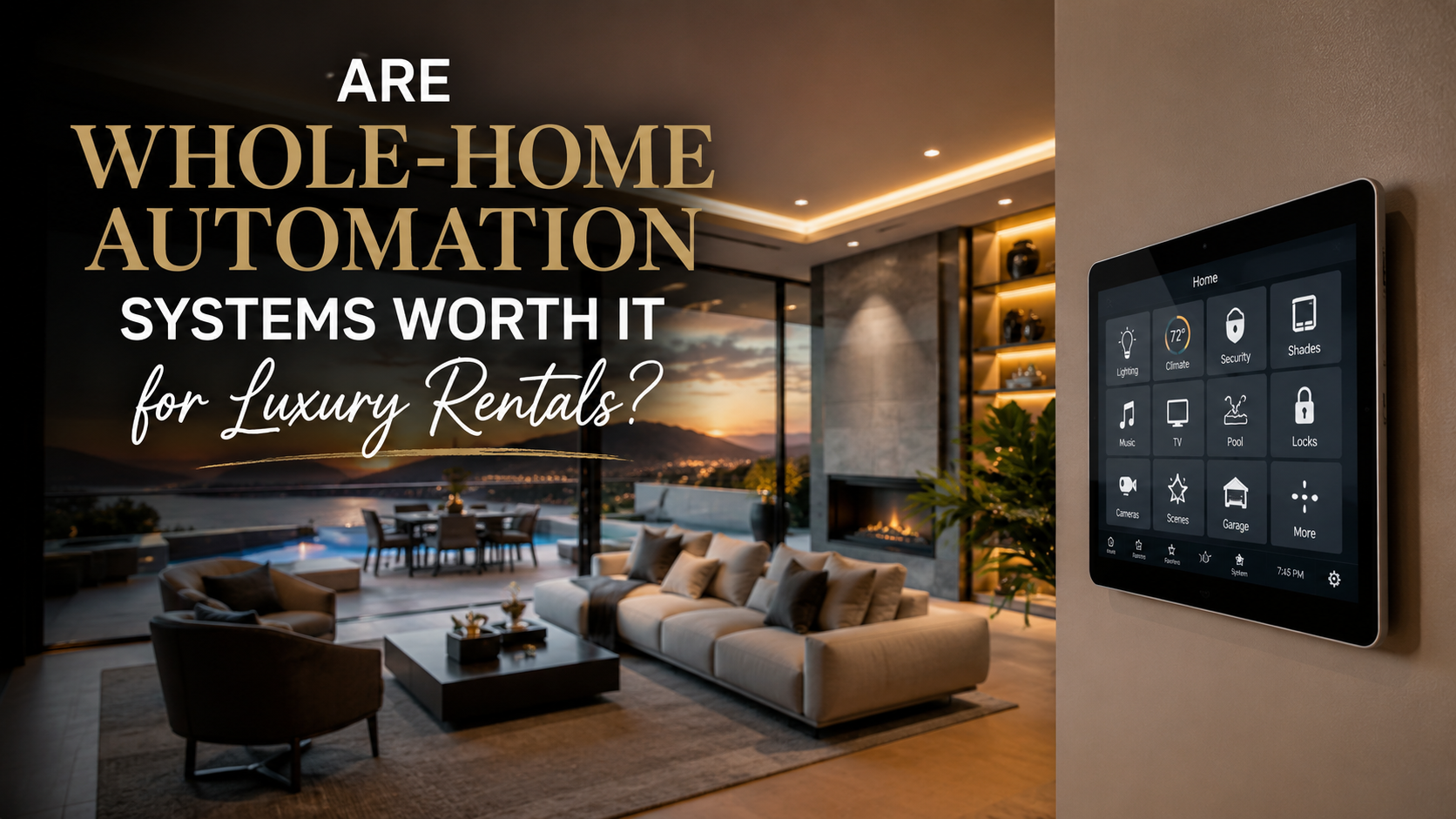
As the travel industry evolves, the intersection of luxury hospitality and smart home technology is fundamentally redefining the guest experience while simultaneously driving property profitability. By seamlessly integrating intuitive ambient controls, personalized environments, and efficient energy management, property owners can offer a suite of bespoke, high-tech amenities that significantly enhance guest satisfaction and boost the overall return on investment for their high-end rental assets.
Key Takeaways
Investing in advanced technology significantly impacts the performance of luxury vacation properties by driving higher nightly rates and improved guest satisfaction.
- Automated climate and lighting controls create a premium, effortless guest experience.
- Remote monitoring features allow property managers to drastically reduce monthly overhead and utility expenses.
- Enhanced security systems, including smart locks, provide both physical protection and improved operational workflows.
- Wellness-focused technology transforms properties into restorative retreats that align with modern traveler health trends.
- Careful platform selection prevents technical obsolescence and ensures long-term viability for luxury assets.
The return on investment for high-end rental properties
Owners of luxury rentals often view technology as a premium feature, but in today's competitive market, a well-designed smart home and home automation strategy functions as a valuable business investment. Modern complete smart home systems combine automation controllers, security, entertainment, and climate control into a unified platform that is seamless and scalable for properties of every size.
Rather than relying on disconnected devices, these integrated automation systems help owners create memorable guest experiences while improving operational efficiency and supporting higher nightly rates.
Increasing nightly rates through technological prestige
Luxury travelers increasingly expect homes that are easily controlled through intuitive interfaces. Whether guests use HomeKit, Amazon Alexa, or a dedicated tablet, they appreciate the ability to control smart features such as entertainment, temperature, and smart lighting from one convenient location. This modern level of convenience reinforces a property's premium positioning and helps justify higher nightly pricing.
Justifying premium pricing with convenience and personalization
Guests expect a personalized atmosphere, and manual adjustments to heat or lighting can break that sense of comfort. Automation platforms allow guests to establish their preferred settings upon arrival, creating an environment that responds to their specific needs. This level of customization is a significant differentiator that justifies why premium rental segments often see higher repeat guest rates compared to standardized properties.
Impact on property valuation and asset marketability
Savvy investors know that the long-term marketability of a rental property hinges on its ability to evolve. Properties outfitted with integrated control ecosystems often retain higher asset value because they mitigate the need for constant, disjointed facility upgrades. Prospective buyers and guests alike view these technologically advanced properties as premium assets that require limited additional investment to stay relevant in the fast-moving short-term rental market.
Balancing installation costs against long-term maintenance needs
While hardware installations represent a substantial initial outflow, they must be assessed against the cost of ongoing manual site management. High-end systems from providers like Control4 (as detailed in this high-end automation comparison) offer reliable, professional-grade infrastructure that reduces site visits for physical updates. Reducing manual interference is a major operational benefit that amortizes the high cost of sophisticated installation over the asset's active life.
Enhancing the guest experience via seamless automation
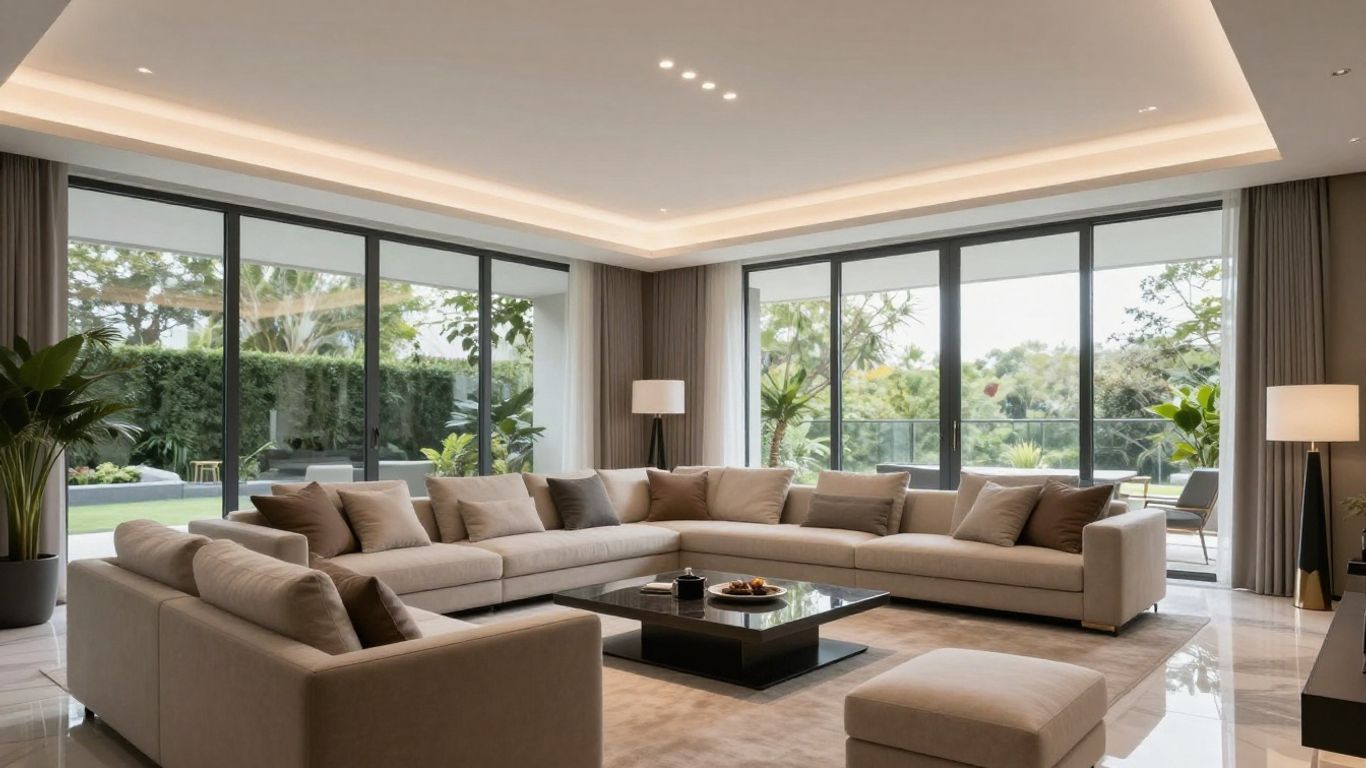
The primary benefit of a well-designed automation layer in a luxury rental is the elimination of friction during the guest stay. When technology functions invisibly in the background, it enables the guest to focus solely on their rest rather than on managing the property's manual switches or dials.
Simplified control of climate, lighting, and entertainment
Guests appreciate central hubs that pull together multiple devices into one intuitive experience. A professionally designed automation system replaces numerous remotes and wall switches with a single automation controller that manages lighting control, entertainment, audio, and indoor comfort from one interface. This unified approach minimizes confusion and allows guests to enjoy every feature of the smart home without unnecessary complexity.
Facilitating seamless check-in and smart access management
Managing access for guests involves more than handing over physical keys; it is about providing a frictionless, secure arrival process. Smart locks allow for unique, temporary access codes that expire automatically after checkout, ensuring total security. This removes the logistical burden of coordinating key hand-offs and waiting for cleaners to arrive at specific intervals.
Offering personalized scene adjustments for different times of day
Dynamic lighting, also known as scene control, ensures that the property environment changes to match the guest's mood or time of day. Morning scenes can slowly open blinds while evening scenes dim the lighting to a warm amber, enhancing the feeling of a bespoke experience. Guests recognize these small details, often mentioning them in reviews as the primary reason for their high satisfaction levels.
Reducing technical friction points for international guests
Global travelers often struggle with confusing manual interactions, especially in homes where buttons lack intuitive icons or logical organization. By deploying a standardized control interface on tablets or touchpads, property managers can offer multilingual support for all home functions. This reduces guest inquiries and ensures that international visitors enjoy the property with complete confidence from the moment they walk through the door.
Streamlining property management and energy efficiency
Efficiency is the silent driver of profit in short-term rentals, separating profitable portfolios from those struggling with high overhead. Real-time data access allows managers to make informed decisions that improve both the bottom line and the physical condition of the rental unit.
Remote monitoring of utility usage to lower overhead
Monitoring sensors provide a distinct view into how a house performs daily, allowing owners to identify spikes in energy consumption. By setting automatic alerts for excessive heating or A/C usage, managers can intervene before utility bills skyrocket. This data is essential for maintaining thin margins while keeping the property accessible for guests 365 days a year.
Predictive maintenance alerts for appliances and HVAC systems
Integrated diagnostic tools track the health of major appliances, signaling a fault before a total breakdown occurs. Proactive service is the hallmark of professional rental management; by addressing a noisy fan or a failing compressor remotely, property teams avoid costly emergency repair calls. This reduces downtime and helps ensure every guest arrives to a home that is perfectly maintained.
Enhancing physical security through integrated surveillance and smart locks
Security is paramount for luxury travelers who place a premium on safety and privacy. Using a unified ecosystem enables real-time oversight of perimeter sensors and high-quality cameras without constant supervision. By centralizing security data, owners can better protect their investment while ensuring that all ingress and egress points remain secure against unauthorized access.
Automated check-out protocols and energy-saving standby modes
Once a guest leaves, the property should immediately move into an efficient standby state to minimize waste. Automated check-out protocols ensure that the HVAC returns to an eco-friendly setting and that all unnecessary electronics are powered down entirely. A sample breakdown of typical cost-saving efficiencies is shown in the table below.
| Efficiency Area | Typical Manual Loss | Potential Savings (Active) |
|---|---|---|
| HVAC Regulation | 25% waste | Up to 15% reduction |
| Lighting Usage | 10% waste | Up to 8% reduction |
| Security Staffing | High costs | Eliminated site costs |
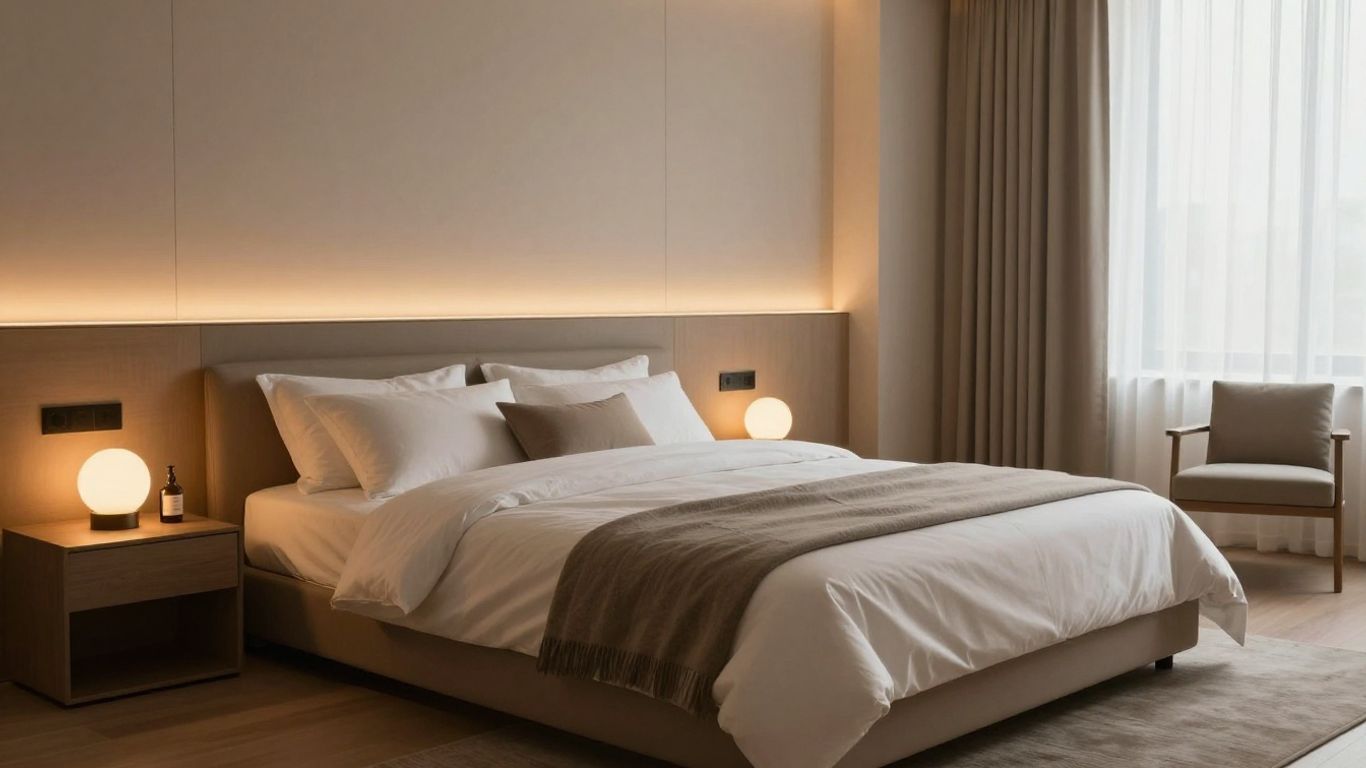
Wellness-driven travel has moved from a fringe category to a central requirement for luxury guests. As research indicates that travelers now search for recovery-oriented experiences, rental owners should focus on incorporating technology that supports human biology as much as property performance.
Smart lighting solutions for circadian rhythm support
Lighting should do more than brighten a room; it should regulate the internal body clock of the guest. Automated systems can shift color temperature from cold blues in the afternoon to soft warm reds during the evening. This creates a natural environment that signals the brain it is time for rest, significantly improving the quality of the guest's sleep cycle.
Intelligent air and water quality management systems
Air quality is a core expectation among premium guests who want to escape pollution and allergens. Sophisticated monitoring hardware can trigger air purification sequences when sensors detect changes in particulate levels. This commitment to fresh, clean air positions the rental as a health-conscious destination that goes above and beyond standard hospitality expectations.
Integrating in-room hardware for sleep optimization
Sleep is the central anchor of the modern wellness experience, and in-room technology now allows for perfect environmental optimization. Smart thermostats can cycle temperatures through the night to enhance REM cycles, while automated black-out shades ensure zero light intrusion. These seemingly simple adjustments produce tangible wellness outcomes that guests increasingly value during their stay.
Connecting guests with digital fitness and recovery interfaces
For active travelers, access to consistent fitness routines is a must, even on vacation. By providing high-quality fitness hardware integrated into the property’s control system, guests can access workout programs or restorative yoga sessions on demand. Creating a space where movement and recovery are built into the walls attracts a loyal, recurring segment of wellness-focused visitors.
Potential pitfalls and implementation challenges
Even the most advanced technology is only as good as its implementation, which requires careful planning. If the user experience is too difficult or the hardware lacks stability, the technology becomes a burden rather than a service. Property managers should implement clear strategies to mitigate these common risks.
Managing complex user interfaces for non-technical guests
User interfaces should always remain simple, avoiding the common mistake of over-complicating controls until guests feel overwhelmed. A good rule of thumb is to ensure that basic functions—like turning off lights or adjusting the bathroom temperature—remain physical or clearly marked on a screen. If the guest has to spend ten minutes learning a touch-panel, the technology has failed.
Dealing with connectivity drop-offs and network reliability
Wireless networks in modern, high-end homes face immense pressure from high-bandwidth activities, which can cause drop-offs. Robust network infrastructure is essential to prevent connectivity failures that would render your smart devices unresponsive. Professional-grade hardware is necessary to maintain signal integrity throughout large homes, especially across various rooms and outdoor areas.
Privacy and data security considerations for premium travelers
Affluent travelers possess a heightened awareness of digital privacy, fearing that their habits might be recorded or tracked. Transparent communication about how in-room data is collected and used is essential to building and maintaining guest trust. Using locally-managed systems often provides the peace of mind that personal information remains within the home's secure internal network.
Mitigating the risk of rapid obsolescence in fast-evolving tech markets
Technology changes quickly, and systems installed today may start to appear dated in just a few short years. To combat this, focus on selecting platforms that support industry-standard protocols, allowing for hardware updates without requiring a complete system tear-out. Choosing flexible base platforms ensures that the home continues to scale and benefit from software innovation as it matures.
Choosing the correct ecosystem for your property
- Reliability through long-term brand support and local professional partnerships.
- Scalability to accommodate future devices or complex residential architectural changes.
- User simplicity to minimize the learning curve for diverse guest profiles.
- Comprehensive local control to protect guest data as a primary priority.
- Broad integration capability with high-end third-party appliance manufacturers.
Proprietary luxury platforms versus open-source flexibility
Deciding between a paid, proprietary ecosystem or an open-source solution like the one discussed in this home automation overview depends on your onsite support team. Proprietary systems often include ongoing, professional-level monitoring services that can address issues remotely. In contrast, open-source solutions provide ultimate flexibility for tinkerers but require a higher level of maintenance engagement.
Assessing the need for professional installation and ongoing support
Self-installation is rarely suitable for luxury rentals that require constant, dependable operation. Engaging a certified integrator ensures that the system is calibrated for the home's specific layout and network conditions. A strong partnership with a professional team provides a safety net during technical failures, ensuring that the property remains online regardless of the complexity of the underlying hardware.
Ensuring compatibility with diverse, high-end third-party appliances
Your automation brain must communicate effortlessly with appliances from different manufacturers, including high-end dishwashers, HVAC units, and ovens. If your platform cannot bridge these devices, you risk creating silos of control that frustrate your guest. Always audit your proposed ecosystem’s list of compatible brands to ensure that your key appliances are supported within the primary interface.
Future-proofing infrastructure for seamless hardware upgrades
Wiring the home for future needs is just as important as the initial installation of smart devices. Using a structured cabling approach allows for the easy swapping of switches or monitors without needing to break into walls or perform electrical re-fits. This strategic planning keeps infrastructure modular, ensuring that the property remains competitive through rapid shifts in the smart home device landscape.
Conclusion
Integrating advanced home technology into luxury rental properties provides a significant competitive edge that justifies higher pricing while simplifying operational management. By focusing on guest convenience, energy efficiency, and wellness-oriented features, owners can create a distinct, in-demand experience that thrives in the modern travel economy.
Successful adoption relies on professional planning, robust infrastructure, and prioritizing guest experience over technical complexity to ensure long-term value. Property owners can effectively implement these sophisticated technologies by partnering with professional Luxury Airbnb Management Services.
Frequently Asked Questions
Are whole-home automation systems expensive to install?
Initial costs vary depending on the scale of the property and the depth of integration requested, but they should be viewed as a capital investment that improves property valuation. Because they reduce manual management and utility waste, these systems often pay their own way over several years through improved efficiency and increased rental demand.
Do guests find it difficult to use high-end smart homes?
When designed with a guest-focused interface, automation should feel intuitive and effortless. The goal is to make the home's features obvious, so guests spend their time relaxing instead of trying to figure out how to operate complex controls.
How do smart homes compare in terms of security?
They offer superior protection compared to traditional rentals by providing granular control over entry points and constant remote monitoring. Automated systems can alert owners to unauthorized access while creating reliable audit trails for every individual who accesses the property.
Share to social media
More posts