
Corpus Christi Museum of Science and History
By: John Ishmael Acuyado | October 5, 2026
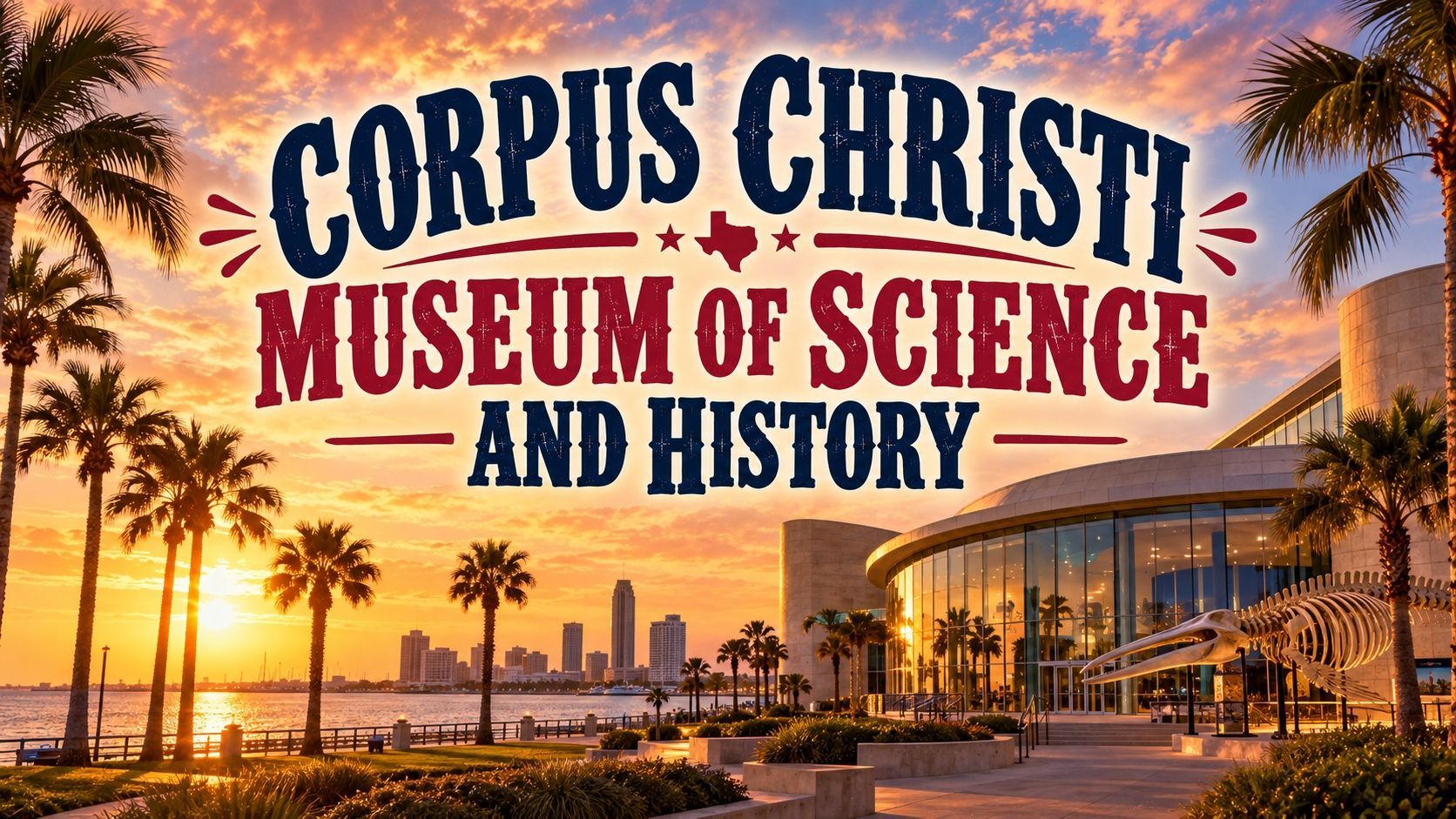
Corpus Christi Museum of Science and History
A Gulf Coast getaway can include much more than time on the sand. The Corpus Christi Museum of Science and History gives visitors an indoor look at the people, landscapes, discoveries, and events that helped shape this coastal region.
- Explore historical artifacts and exhibits connected to Corpus Christi and South Texas
- Learn about regional science, archaeology, maritime history, and the communities that developed along the coast
- Use the museum as a change of pace during a beach-focused vacation or on days when outdoor conditions are less comfortable
- Visit with families, couples, or groups looking for an educational indoor experience
- Connect modern coastal life with the people, discoveries, and events that influenced the region over time
- Add the museum to a broader things to do in Corpus Christi itinerary alongside beaches, waterfront attractions, and other cultural stops
The museum adds depth to a Corpus Christi vacation by showing how the region's natural environment, communities, and history developed together. Its indoor setting also makes it easy to balance outdoor recreation with educational sightseeing during a longer coastal trip.
Why This Corpus Christi Museum Is Worth Visiting
One of the biggest advantages of this stop is the range of subjects presented in one place. The museum experience can move from archaeology and natural systems to maritime stories and cultural development, giving different age groups several ways to stay engaged.
- Explore archaeology and regional history alongside natural science and environmental subjects
- Learn about maritime stories and the role of the Gulf in shaping Corpus Christi
- Discover cultural and community history that adds context to the modern city
- Use the Corpus Christi Museum of Science and History as a comfortable change of pace during a trip built around beaches and outdoor recreation
- Read our guide to museums, art, and regional culture for more ways to combine indoor attractions with a broader coastal itinerary
The museum's broad subject range makes it useful for groups with different interests. Visitors can spend time learning about the region while taking a break from the heat, then return to Corpus Christi's beaches, waterfront, and other outdoor attractions with a deeper understanding of the place.
Explore Science, Archaeology, and Coastal History
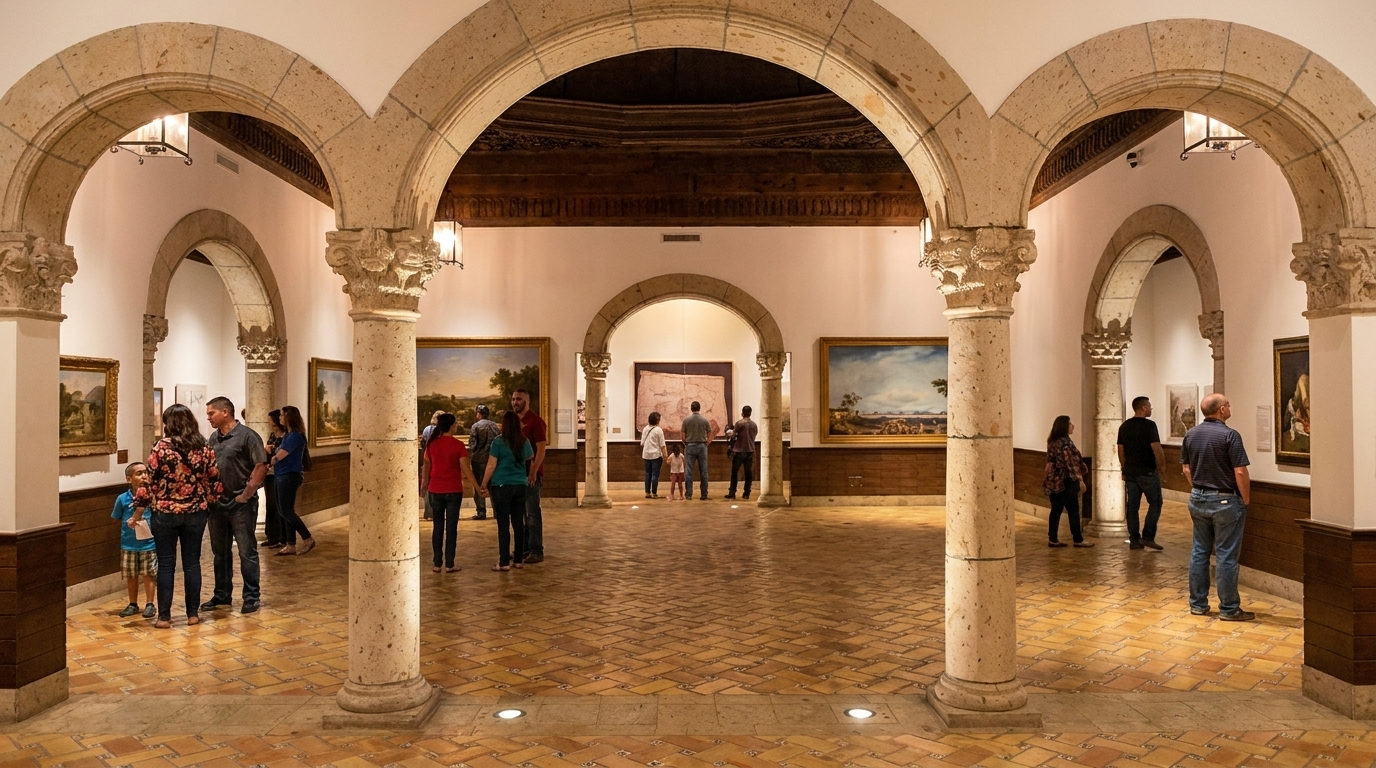
A science area can help visitors understand how land, water, geology, wildlife, and other natural forces influence life along the coast. Nearby exhibits can shift the focus toward archaeology, settlement, transportation, and the development of local communities.
- Explore how coastal land, water, geology, and wildlife have influenced the region
- Learn about archaeology, settlement, transportation, and community development
- Connect natural systems with human history to see how the environment influenced where people lived and how the region grew
- Examine objects, maps, models, and interpretive displays that make broad historical and scientific topics more tangible
- Use the exhibits as an accessible introduction when you do not already know much about Corpus Christi or the surrounding Coastal Bend
The combination of science and history gives the museum a useful balance for visitors of different interests. Rather than treating people and nature as separate subjects, the exhibits can show how the coastal environment and human activity have shaped one another over time.
Shipwrecks, Maritime Stories, and Texas Heritage
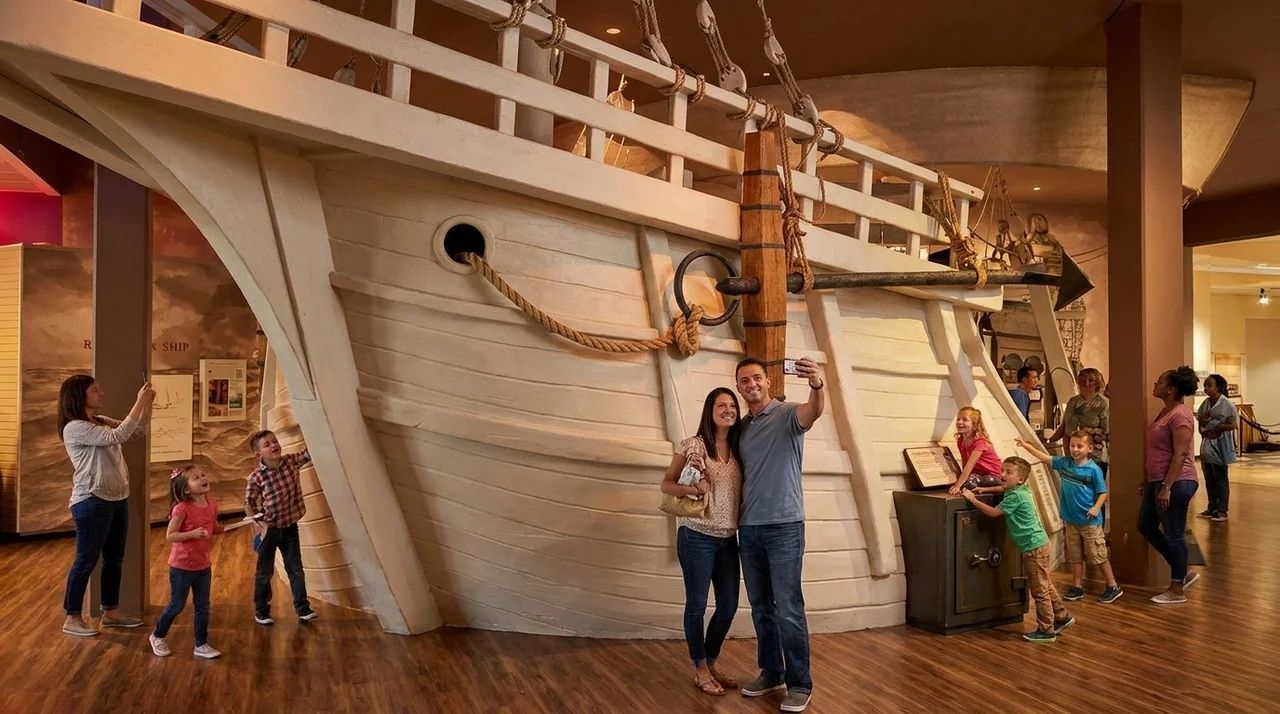
The Gulf has long influenced movement, trade, work, and settlement along the Corpus Christi coast. Maritime archaeology and shipwreck-related material can therefore add an important layer to the museum experience.
- Explore material connected with maritime archaeology and shipwrecks
- Consider how people traveled along the coast, what they carried, and how Gulf conditions affected trade and daily life
- Use historical objects to understand earlier periods while keeping the museum experience broader than a single era
- Visit the Corpus Christi Museum of Science and History as a starting point for travelers interested in Texas history
- Continue with maritime and military themes by adding the USS Lexington to another part of the trip
The maritime exhibits help connect Corpus Christi's history with the Gulf environment that shaped it. Pairing the museum with the USS Lexington can give travelers a broader perspective on the region's maritime, military, and coastal history.
A Family-Friendly Museum Experience
Families do not need to move through every gallery at the same pace. Some children may spend more time with hands-on or visual displays, while adults may focus on archaeology, older objects, or regional stories.
- Let children spend additional time with hands-on, interactive, or visual displays that capture their attention
- Give adults more time to explore archaeology, historical objects, and regional stories
- Use exhibits that encourage observation and discovery to make an educational visit feel less formal for younger visitors
- Check for traveling or temporary exhibitions that can add something different for repeat visitors
- Review current visitor information and recent reviews for updated hours, programs, temporary displays, and accessibility details
- Add the Texas State Aquarium as another family-friendly educational stop combining marine life, conservation, and a waterfront setting
The museum works best when families allow different members of the group to explore at their own pace. Checking current information before visiting also keeps the itinerary flexible and helps avoid relying on details about programs or exhibits that may have changed.
Plan a Cultural Day Around Corpus Christi
The Corpus Christi Museum of Science and History does not have to take up an entire sightseeing day. A few hours indoors can be combined with art, waterfront scenery, dining, and other nearby attractions.
- Spend a few hours exploring the museum before moving to another part of the city
- Continue to the Art Museum of South Texas for a different cultural experience centered on visual art
- Head toward the Corpus Christi Bayfront for open views, public spaces, restaurants, and time outdoors
- Choose North Beach and the waterfront when your itinerary also includes the Texas State Aquarium or USS Lexington
- Leave enough flexibility for meals, walking, and weather changes rather than scheduling every stop back-to-back
The museum works well as one part of a broader Corpus Christi day rather than an isolated attraction. Pairing history and science with art, waterfront scenery, and major North Beach attractions creates a balanced itinerary with both indoor and outdoor experiences.
Pair History With the Waterfront
Indoor learning becomes more meaningful when visitors can connect it with the landscape outside. After exploring the region's past, spending time near the bay gives travelers a modern view of the waterway that continues to shape Corpus Christi.
- Walk along the waterfront after visiting the museum to experience the bay in person
- Use a shoreline walk as a natural break between scheduled indoor attractions
- Stop for lunch, enjoy the waterfront scenery, or spend a little unstructured time outside before continuing
- Avoid stacking several indoor attractions back-to-back when a change of pace would make the day more comfortable
- Plan a separate classic beach outing when you want to shift the focus toward sand, water, and coastal recreation
Combining museum exhibits with time along the bay creates a more complete Corpus Christi experience. Visitors can learn about the forces that shaped the city before seeing the same coastal environment as part of the modern landscape.
Tips for Families and Groups
A simple plan usually works best for a mixed-age group:
- Allow enough time to explore without expecting everyone to read every display.
- Wear comfortable shoes for standing and walking through indoor spaces.
- Build in a meal or outdoor break after the visit.
- Check current hours, programs, and temporary display availability before leaving.
- Give younger visitors a few themes to look for, such as ships, maps, animals, tools, or fossils.
- Keep part of the day unscheduled so the group can adjust its pace.
The goal is not to cover every detail. A relaxed visit often makes it easier for everyone to remember the displays that interested them most.
Add the Coast to a Longer Itinerary
After a cultural day, the surrounding islands offer a very different way to experience the region. Mustang Island State Park works well for beach time, fishing, paddling, and open Gulf scenery.
- Visit Mustang Island State Park for swimming, fishing, paddling, beach walks, and time along the Gulf
- Spend another day at Padre Island National Seashore when you want a more natural barrier-island setting
- Explore dunes, wildlife, and long stretches of shoreline at Padre Island when the landscape itself is the main attraction
- Alternate indoor cultural sightseeing with outdoor recreation to give each day a different pace
- Use island outings to experience the coastal environment that has influenced the history and development of the region
Combining cultural attractions with island time creates a more complete Corpus Christi trip. One day can provide context about the people and history of the region, while the next lets travelers experience the Gulf Coast landscapes and natural environments that helped shape it.
Where to Stay After Sightseeing
For families and groups, having extra space after a full day of sightseeing can make a noticeable difference. Vacation homes give guests room to spread out, prepare meals, relax together, and keep beach gear and travel essentials organized without crowding into several hotel rooms.
Staying in Corpus Christi also keeps travelers within reach of museums, beaches, restaurants, North Beach, the bayfront, and island day trips.
Home Team Luxury Rentals offers spacious vacation homes for family trips, group getaways, and coastal stays, with options that can include private pools, game rooms, outdoor living areas, and convenient access to major attractions.
Final Thoughts
A visit to this institution adds depth to a destination often associated first with beaches and Gulf scenery. Its blend of science, heritage, archaeology, and regional stories helps travelers understand more about the place they are visiting.
It is especially useful for groups looking for an indoor activity that fits naturally beside art, marine life, waterfront sightseeing, and outdoor recreation. By balancing educational stops with time along the coast, visitors can build a trip that feels varied without becoming overly complicated.
Frequently Asked Questions
What can you see at the Corpus Christi Museum of Science and History?
Visitors can explore exhibits covering science, archaeology, maritime history, regional heritage, and the development of South Texas. The museum offers a mix of educational displays that can appeal to both adults and younger travelers.
Is the Corpus Christi Museum of Science and History good for families?
Yes. The museum can be a good family-friendly indoor activity, especially for groups looking to balance beach days and outdoor sightseeing with educational attractions. Interactive and visual exhibits can help keep younger visitors engaged.
How long should you spend at the Corpus Christi Museum of Science and History?
Many visitors can comfortably explore the museum in a few hours, depending on their interests and whether temporary or traveling exhibits are available. It can also be paired with nearby attractions, waterfront sightseeing, or another museum during the same day.
Share to social media
More posts