

Explore the Great Smoky Mountains of Tennessee
By: John Ishmael Acuyado | September 24, 2026

Explore the Great Smoky Mountains of Tennessee
A trip to the Smokies gives travelers a mix of scenic overlooks, forest trails, waterfalls, wildlife, historic structures, and easy day outings from Sevierville. Great Smoky Mountains National Park stretches across Tennessee and North Carolina, making it possible to spend one day exploring high-elevation scenery and another walking through a quiet valley or following a mountain stream.
- Start with one major park area rather than trying to see the entire park in a single day
- Combine a scenic drive with a short hike, walk, or overlook to accommodate different ages and energy levels
- Check current road, trail, weather, and parking information before leaving your rental, especially during busy summer and fall periods
- Return to Sevierville for dinner, family attractions, or downtime before dedicating another day to a longer hike or scenic drive
The park pairs naturally with Sevierville and the surrounding gateway towns because visitors can balance time outdoors with more relaxed activities in town. A flexible itinerary makes it easier to enjoy the mountain scenery without turning every day into a long hike or extended drive.
Why Visit Great Smoky Mountains National Park?
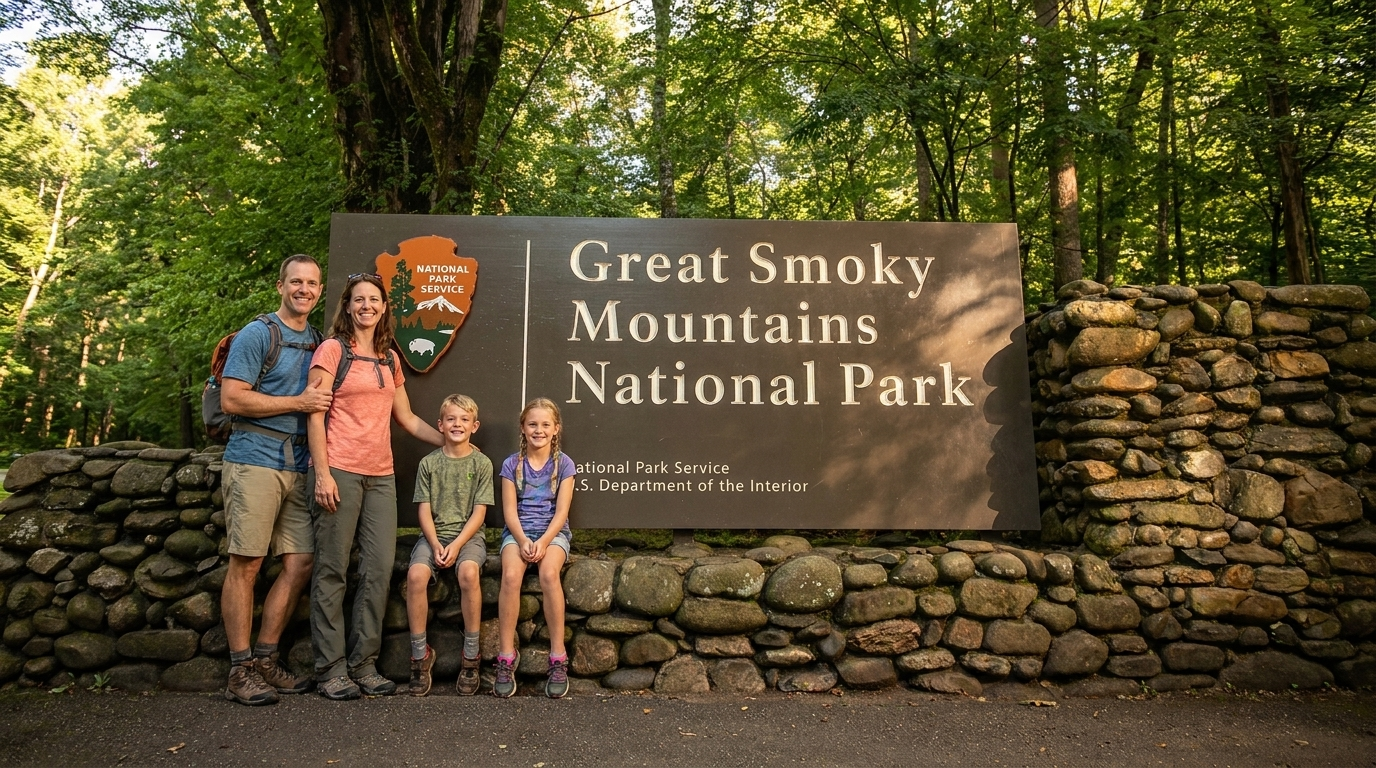
Great Smoky Mountains National Park is known for layered ridgelines, exceptional biodiversity, Southern Appalachian history, and an extensive network of roads and hiking trails. Because the park stretches across Tennessee and North Carolina and reaches different elevations, the experience can change considerably depending on where you enter and which area you explore.
- Start with a few signature areas on a first visit rather than trying to cover the entire park
- Explore Cades Cove for wildlife viewing, historic structures, and scenic roads
- Drive through Newfound Gap for high-elevation mountain scenery and overlooks
- Use the Sugarlands area as a convenient starting point for travelers approaching from Gatlinburg
- Choose shorter walks and scenic pullouts for family trips, or build a full day around longer hikes and waterfall trails for more active travelers
The Smokies can accommodate a wide range of travel styles, making it easy to adjust the itinerary around age, fitness level, weather, and available time. From roadside overlooks to longer mountain hikes, visitors can experience the park without following a single type of itinerary.
Start at Sugarlands Visitor Center
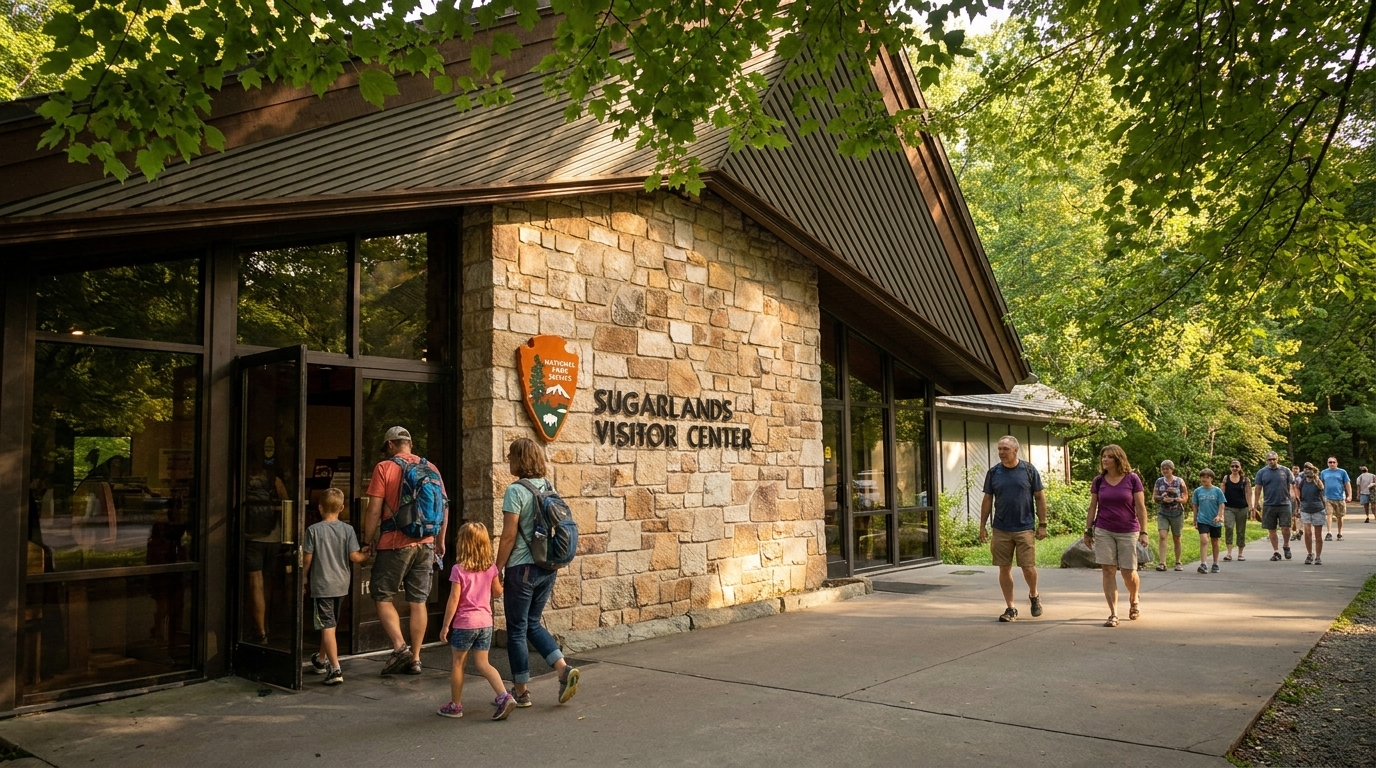
Sugarlands is one of the easiest gateways for travelers entering Great Smoky Mountains National Park from Gatlinburg. The visitor center provides a practical first stop for maps, current conditions, ranger information, and help choosing a route that matches the weather and your available time.
- Start at the Sugarlands visitor center to check current road and trail conditions before heading farther into the park
- Walk roughly 0.7 miles through the forest to Cataract Falls for a shorter waterfall outing
- Continue from Sugarlands toward Newfound Gap, turn onto Little River Road, or return toward Gatlinburg when weather or energy levels change
The Sugarlands area works well for flexible Smoky Mountain itineraries because you can adjust the length of your outing without committing to a long drive or hike. It is particularly useful for families and first-time visitors who want to experience the park while keeping the day's schedule manageable.
See Cades Cove for Wildlife and History
Cades Cove is one of the best-known areas in Great Smoky Mountains National Park because it combines open valley scenery, historic structures, wildlife habitat, and access to hiking trails. The 11-mile one-way loop is designed for a slower drive, and the National Park Service recommends allowing at least two to four hours to complete it, with additional time when stopping for walks or hikes.
- Follow the approximately 11-mile loop and allow extra time for pullouts, photographs, wildlife sightings, and unplanned stops
- Look for historic cabins, churches, cemeteries, and open fields along the route
- Watch for wildlife such as deer, turkeys, and black bears while maintaining a safe distance and following park guidance
- Treat roadside viewpoints as part of the experience because the open valley scenery can be as memorable as a longer hike
- Plan around the 2026 vehicle-free Wednesdays scheduled from May 6 through September 30, when pedestrians and cyclists can use the loop without motor vehicles
- Check current park updates before visiting on vehicle-free days because parking remains limited
Cades Cove works well for first-time visitors because it combines scenery, wildlife, and Appalachian history in one relatively accessible area. Its slow-paced loop also allows families to experience the Smokies without committing the entire day to strenuous hiking.
Drive Newfound Gap for a Mountain View
Newfound Gap Road connects Gatlinburg with Cherokee, North Carolina, climbing from lower forest elevations into cooler, higher terrain along the way. The drive offers an easy way to experience changing forest communities and mountain scenery without committing to a full-day hike.
- Follow Newfound Gap Road through the park and watch the landscape change as the elevation increases
- Stop at Newfound Gap when conditions allow to take in views across the surrounding ridges
- Continue toward Cherokee and use the road as part of a longer Smoky Mountain sightseeing loop
- Check current road and weather conditions before leaving because changes at higher elevations can temporarily affect access
- Bring an extra layer during spring, fall, and winter because temperatures near the gap can be considerably cooler than in Gatlinburg
Newfound Gap Road works well for visitors who want substantial mountain scenery without spending the entire day on a trail. Its changing elevations, overlooks, and connection between Tennessee and North Carolina also make it a useful part of a longer scenic drive through the Smokies.
Visit Kuwohi for High-Elevation Scenery
Kuwohi is the highest point in Great Smoky Mountains National Park and one of its most recognizable high-elevation destinations. The traditional Cherokee name was officially restored in 2024, replacing the former name Clingmans Dome.
- Follow the road from Newfound Gap toward the summit parking area when seasonal access is open
- Walk from the parking area to the observation area for wide views across the Smokies when skies are clear
- Check current road conditions before making Kuwohi the centerpiece of your day because access can be affected by snow, ice, or other hazardous weather
- Review the 2026 seasonal road schedule because summit-road access is weather dependent
Kuwohi is a strong addition to a scenic-drive itinerary for travelers who want to experience the park's higher elevations without planning a full-day hike. Because conditions can change quickly near the summit, flexible scheduling is important when visiting this part of the Smokies.
Choose Hiking Trails and Waterfalls
You do not need to plan an all-day backcountry trip to enjoy Great Smoky Mountains National Park on foot. Hiking options range from short nature walks to several-hour routes, allowing families and groups to choose based on ability, weather, and available daylight.
- Choose a brief nature walk or longer scenic hike depending on your group's experience and energy levels
- Visit waterfall areas such as Cataract Falls near Sugarlands, or explore additional cascades and longer trails around Deep Creek and Cades Cove
- Check current National Park Service conditions before setting out because popular waterfall trails can periodically close for rehabilitation, maintenance, or safety work
- Bring water, wear appropriate footwear, and remain on marked trails
- Stay away from wet rocks around waterfalls and avoid climbing near falls because surfaces can be slippery and dangerous
- Do not rely on cell service for navigation in remote sections of the park
The variety of hiking options makes it easier to add time on foot without committing to a strenuous backcountry adventure. Checking conditions beforehand and matching the trail to your group's abilities can help keep a Smoky Mountain outing comfortable and manageable.
Explore Scenic Drives Beyond the Main Road
Not every day in Great Smoky Mountains National Park needs to revolve around a long hike. Scenic drives can work especially well for multigenerational groups, photographers, and visitors who want expansive mountain views without spending as much time on foot.
- Follow Little River Road between the Sugarlands area and the western side of the park for a scenic route with access to overlooks and riverside views
- Explore Foothills Parkway for broad mountain vistas outside some of the busiest central park corridors
- Use scenic drives as an alternative when major trailheads and popular attractions are crowded
- Build extra time into the drive because traffic, wildlife sightings, changing weather, and busy pullouts can slow the journey
- Plan for a slower pace on peak fall weekends when roads and overlooks can become particularly busy
Scenic routes give visitors more flexibility to enjoy the Smokies without committing to a demanding hike. Leaving extra time also makes it easier to stop at overlooks, take photographs, and enjoy the mountain landscape rather than rushing from one destination to the next.
Wildlife, History, and Appalachian Culture
Great Smoky Mountains National Park is more than a collection of scenic viewpoints. The park protects a landscape shaped by biodiversity and Southern Appalachian history, with historic buildings, former homesites, churches, mills, and preserved landscapes helping tell the story of communities that lived in the region before the park was established.
- Explore historic structures, former homesites, churches, mills, and preserved landscapes that reflect the region's Appalachian heritage
- Watch for wildlife such as black bears while maintaining a safe distance and avoiding any attempt to approach, feed, or crowd animals for photographs
- Stay at least 50 yards from bears and give all wildlife enough space to continue behaving naturally
- Keep food secured when camping or picnicking and check current fire restrictions before using designated fire areas
The combination of wildlife and cultural history gives the Smokies more depth than a scenic-drive destination alone. Responsible wildlife viewing, food storage, and fire practices also help protect the park's natural environment and keep visitors safer while exploring.
Best Time to Visit the Smokies
Each season changes the experience in Great Smoky Mountains National Park. Spring brings wildflowers, flowing streams, and cooler hiking conditions. Summer is popular for family travel and offers longer daylight hours, while fall brings colorful foliage and some of the heaviest traffic of the year. Winter tends to be quieter, although snow and ice can affect roads at higher elevations.
- Plan for wildflowers and cooler hiking weather in spring
- Expect longer daylight and higher family-travel demand during summer
- Allow extra driving time during fall foliage season when roads and overlooks can become especially busy
- Check high-elevation road conditions in winter because snow and ice can temporarily affect access
- Review seasonal event calendars in Gatlinburg, Pigeon Forge, and Sevierville because major events can influence traffic and lodging demand
- Leave before the busiest late-morning period when possible and avoid stacking too many major stops into one day
Understanding seasonal conditions can make a Smoky Mountain itinerary easier to manage. Travelers visiting during peak foliage or major event periods should allow additional travel time and reserve accommodations early, while a flexible daily schedule can help accommodate changing crowds and road conditions.
Make Time for Gatlinburg and Pigeon Forge
A park-focused trip can still include the entertainment, dining, and family attractions around the gateway towns. Gatlinburg sits near the Sugarlands entrance, making it easy to pair a park morning with an afternoon or evening in town.
Pigeon Forge offers another concentration of attractions, restaurants, shows, and family entertainment. Travelers staying in Sevierville can move between the park, Pigeon Forge, and local attractions without needing every day to center on the same type of activity.
For more ideas, use our Things to Do in Sevierville guide, or add weather-friendly options from our Family Fun and Indoor Activities guide.
Planning Tips for a National Park Day
A little preparation can make a day in Great Smoky Mountains National Park easier, especially when traveling with children or a larger group. Download maps before leaving areas with reliable service, carry water and weather layers, and check current road and trail conditions before departure.
- Use offline or downloaded maps when heading into areas with limited cell service
- Carry water and extra weather layers because mountain conditions can change throughout the day
- Use established parking areas, give wildlife plenty of space, and leave flexibility in the schedule for traffic or changing weather
- Remember that the park does not charge an entrance fee, but vehicles parked for more than 15 minutes need a valid parking tag
- Budget for the current parking-tag rates of $5 for one day, $15 for one week, or $40 for one year, with the physical tag displayed in the vehicle
Preparing for changing conditions and limited connectivity can make the park easier to navigate and explore. Checking current information before leaving your rental also helps avoid surprises with road access, trails, parking, or weather during the day.
More Sevierville Adventures Beyond the Park
A longer vacation gives you room to alternate outdoor days with attractions closer to your rental. Families can visit RainForest Adventures Discovery Zoo, spend a few hours at NASCAR SpeedPark, or add the Tennessee Museum of Aviation for a slower indoor day.
During warmer weather, Soaky Mountain Waterpark can anchor a full day, while our guide to water rides and Smoky Mountain adventure covers more ways to add rafting and water-based adventures to the trip.
This mix is especially useful on longer stays because it prevents every day from feeling the same. One day can focus on forest scenery, another on attractions, and another on relaxing at your rental.
Final Thoughts
The best Smokies trips usually leave room for both major sights and unplanned stops. Cades Cove, Newfound Gap, forest walks, waterfalls, and high-elevation overlooks can fill several outings without requiring a rushed schedule.
Home Team Luxury Rentals offers a collection of Luxury Vacation Rentals in Sevierville, Tennessee for families and groups who want a comfortable place to recharge between outdoor adventures. With Sevierville as your base, it is easy to combine time in the park with Gatlinburg, Pigeon Forge, and the wider Smokies region.
Frequently Asked Questions
Is Great Smoky Mountains National Park free to enter?
Yes. Great Smoky Mountains National Park does not charge an entrance fee. However, visitors who park for more than 15 minutes are required to display a valid parking tag.
What are the best places to see on a first trip to the Smokies?
Popular first-time stops include Cades Cove, Newfound Gap, Kuwohi, Sugarlands Visitor Center, scenic drives, waterfalls, and shorter hiking trails. These areas offer a good mix of mountain views, wildlife, history, and outdoor recreation.
How many days should you spend in the Great Smoky Mountains?
Two to four days gives most visitors enough time to explore several major areas without rushing. You can spend one day around Cades Cove, another exploring Newfound Gap and Kuwohi, and additional days enjoying hiking trails, waterfalls, Gatlinburg, Pigeon Forge, and Sevierville.
Share to social media
More posts