
How Beach Access Impacts Airbnb Occupancy and ADR

How Beach Access Impacts Airbnb Occupancy and ADR
Key Takeaways
Beach access can have a significant impact on Airbnb occupancy and Average Daily Rate (ADR). Properties with direct or convenient beach access are often more attractive to travelers, helping them generate stronger demand and command higher nightly rates.
- Categorize your property distance for accurate listing descriptions.
- Implement seasonal pricing tiers based on shoreline proximity.
- Maximize occupancy by targeting families who prioritize beach access.
- Use professional photography to showcase your specific location advantages.
- Maintain high-end property standards to mitigate coastal environmental wear.
Defining beach access and its value to guests
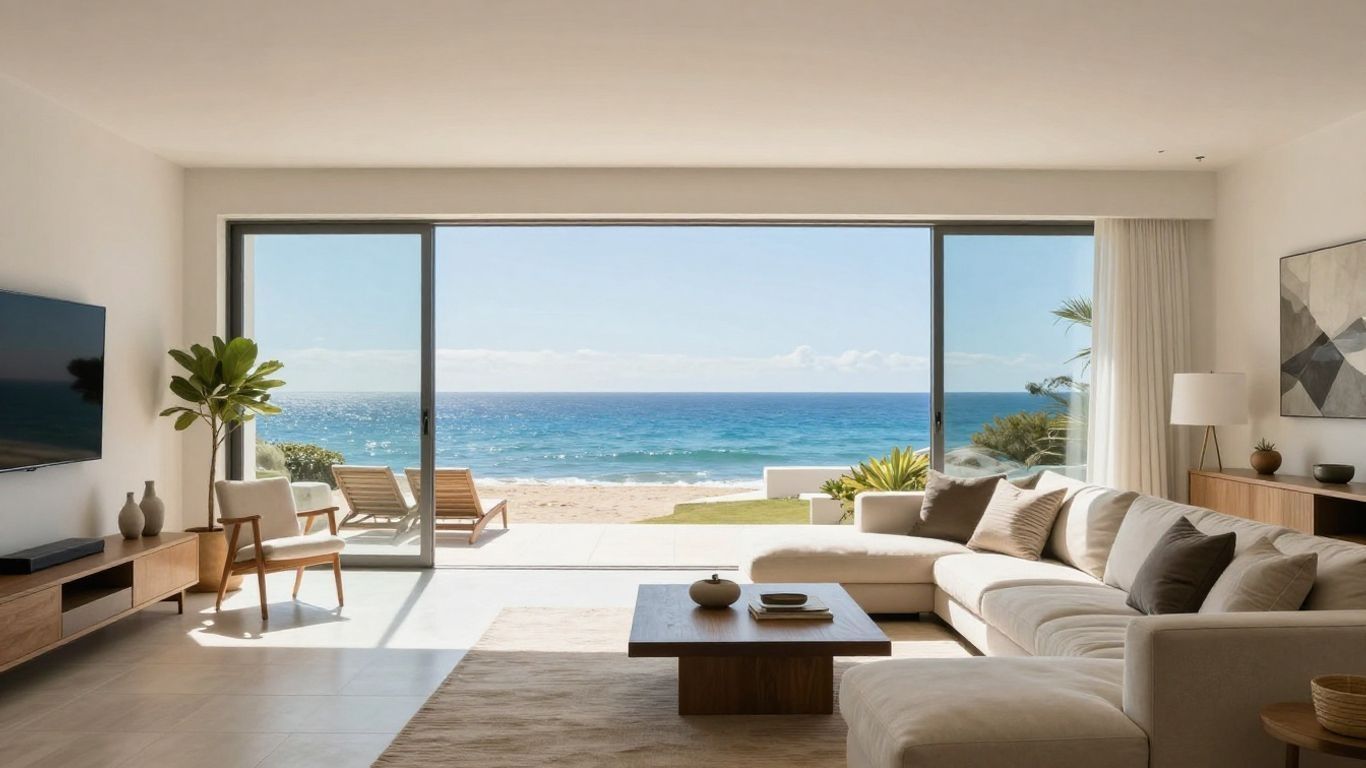
Beach access is one of the most significant variables in coastal hospitality. For vacationers, the distance to the water dictates the ease of their day, the type of gear they bring, and how often they interact with the surf and sand. Understanding this value-to-guest relationship allows owners to position their properties more effectively.
The hierarchy of proximity from beachfront to walking distance
Guests distinguish between homes that sit directly on the sand and those that require a transition. Waterfront properties offer unobstructed views, which typically command the highest market premiums. In contrast, homes just a few blocks away require careful framing to maintain perceived value, often relying on the ease of their walk to the primary beach entrance.
Guest expectations regarding beach access accuracy
Accuracy is paramount when describing the path to the water. Guests will quickly penalize a listing with negative reviews if the stated distance to the beach turns out to be inaccurate. Providing maps or clear visual markers of the public access pathway helps manage expectations and improves trust immediately upon discovery.
Psychological impact of water views on booking decisions
Coastal views play an important role in shaping traveler perceptions and influencing booking decisions. High-quality imagery that highlights the ocean and surrounding scenery can create a strong first impression and increase the perceived value of a vacation rental.
- Showcase expansive coastal vistas and horizon views to emphasize the property's proximity to the water
- Use high-quality photography that captures the relaxing atmosphere and visual appeal of the surrounding coastline
- Highlight ocean views as a premium feature that can increase interest even for properties with higher nightly rates
Together, these strategies help communicate the lifestyle and experience that travelers are seeking rather than simply the accommodations themselves. By presenting compelling coastal imagery, property owners can strengthen emotional appeal, enhance perceived value, and encourage more prospective guests to explore their listings further.
Maximizing ADR through proximity premiums
How Beach Access Influences Average Daily Rate and Pricing Strategy
Beach access plays a significant role in the pricing and performance of coastal vacation rentals. Property owners who monitor market conditions and adjust their rates strategically are often better positioned to maximize both occupancy and revenue.
- Properties within walking distance of the beach can often command higher average daily rates (ADR) due to strong traveler demand
- Adjust pricing throughout the year to reflect seasonal demand, encouraging higher revenue during peak periods and longer stays during slower seasons
- Compare performance with nearby vacation rentals to identify pricing opportunities and maintain a competitive position in the local market
Together, these strategies support a balanced revenue management approach that prioritizes long-term profitability over simply charging the highest nightly rate. By combining desirable amenities such as beach access with ongoing market analysis and dynamic pricing, property owners can improve occupancy while strengthening the overall financial performance of their vacation rental.
Setting a nightly rate requires a delicate balance of market awareness and location-based value. Owners who recognize where their property fits on the proximity scale can charge a premium, provided their operational data supports those adjustments.
Pricing tiers for varying distances from the shoreline
Data indicates that pricing should reflect the specific value of the proximity. You can view common market premiums in the following breakdown:
| Location Status | ADR Increase | Guest Benefit |
|---|---|---|
| Oceanfront | 15–20% | Unobstructed Water Views |
| Near-Beach | 8–12% | Short Walking Distance |
| Beach-Adjacent | 3–5% | Easy Public Access |
These tiers ensure your property remains competitive while capturing the maximum value based on real-time traveler preferences.
Leveraging peak season demand for premium rate adjustments
During peak summer months, travelers move toward beach-centric destinations as a primary vacation goal. This surge in volume allows for significant rate increases, especially when your distance to the sand is a primary selling point. Home Team Luxury Rentals utilizes these shifts to protect your revenue throughout the busiest calendar windows.
Using verifiable location benefits as a catalyst for higher nightly rates
You must explicitly demonstrate your location advantages to increase ADR and justify higher costs. Mentioning specific nearby beach parks or known shore entry points gives guests a tangible sense of what they are paying for, moving their perception of value beyond just "access" to actual convenience.
The impact of beach access on occupancy rates
Why Airbnb Occupancy Is Higher Near the Beach
Beachfront and beach-accessible destinations continue to attract strong traveler demand because they offer convenience and easy access to popular attractions. Properties located near the shoreline often benefit from higher occupancy as guests prioritize walkability and location when choosing a vacation rental.
- Accommodations near beaches, restaurants, parks, and entertainment venues often appeal to travelers seeking convenience and minimal driving
- Consistent occupancy throughout the year can help create more predictable revenue and reduce the number of vacant nights
- Families, couples, and groups frequently value beach proximity over larger accommodations, leading to earlier bookings and increased guest satisfaction
Together, these factors demonstrate why location remains one of the strongest drivers of vacation rental performance. Properties that combine convenient beach access with nearby amenities are often better positioned to attract steady demand, encourage advance reservations, and generate positive guest experiences that lead to repeat bookings and recommendations.

Occupancy is the lifeblood of coastal property success, and proximity is the most reliable way to stabilize your Airbnb occupancy rates throughout the year. When properties are well-located, they become the natural choice for visitors looking for a seamless, hassle-free vacation.
Capturing high-intent vacation travelers during peak months
Travelers planning a major trip are often willing to pay more if it means they can park the car and reach the waves on foot. By targeting these high-intent segments, you avoid the seasonal drop-offs that affect less accessible inland properties. To capture this segment, adopt the following operational habits:
- Highlight the specific walking distance in the first paragraph of your description.
- Use a map overlay feature to visually demonstrate your closeness to the sand.
- Offer beach gear like chairs and umbrellas to remove planning friction.
- Respond quickly to location-specific inquiries to demonstrate awareness of your neighborhood.
These steps create a streamlined booking experience that appeals to families who want to maximize their time on the beach.
Sustaining booking consistency during shoulder seasons
Beach destinations continue to attract visitors throughout the year because many travelers value easy coastal access beyond the peak summer season. Even during cooler months, proximity to the shoreline remains an important factor when choosing a vacation rental.
- Beach access supports year-round activities such as walking, shell collecting, and light outdoor recreation
- Properties located near the coast often benefit from more consistent occupancy than comparable inland accommodations
- Convenient beach proximity encourages advance bookings from guests seeking a relaxing and accessible coastal experience
Together, these factors help explain why beach-accessible properties can maintain steady demand outside of peak travel periods. By offering convenient access to the shoreline and nearby recreational opportunities, destinations such as Seacrest Beach continue to appeal to travelers looking for a peaceful coastal getaway throughout much of the year.
Minimizing listing turnover with high-demand locations
High-demand locations naturally attract repeat business, which is the most efficient way to keep your calendar full. When guests have easy beach access, their emotional connection to the property remains high, often leading to better reviews and return bookings that significantly reduce listing turnover risk.
Marketing beach access to improve booking conversion
Marketing is about bridging the gap between a user’s search and their decision. If your digital presentation fails to highlight your location, you effectively lose revenue despite having a high-quality unit.
Strategic photography for location and accessibility highlights
Property photos should clearly communicate how guests access the beach, helping set accurate expectations before they book. Showcasing the route to the shoreline reinforces the convenience and overall experience your property offers.
- Include photos that clearly show the beach access point or walking path to the shoreline
- Capture the route guests will take to help them visualize the arrival experience
- Use professional-quality images that reinforce the lifestyle and convenience your property provides
Together, these photography practices build confidence and transparency for prospective guests. By illustrating not only the destination but also the journey to the beach, listings can better communicate the property's value and create a stronger first impression that encourages bookings.
Crafting location-focused listing titles and descriptions
Titles that mention proximity are more likely to catch the eye of a traveler. Instead of generic names, use descriptors that emphasize the beach, such as "Steps from Shore" or "Ocean Sunset Views," to clarify your market position immediately.
Emphasizing walkability to local tourism hotspots
Walkability is a major conversion factor. If your property is within walking distance of local restaurants, surf shops, or piers, note these in your listing text. This informs guests that they will experience lower travel costs and increased leisure time once they arrive.
Optimizing Your Airbnb Listing for Better Booking Performance
An optimized vacation rental listing helps potential guests quickly understand what makes a property appealing before they begin comparing other options. Clear information, accurate descriptions, and high-quality visuals can improve both listing visibility and booking confidence.
- Clearly highlight beach walking distance, nearby attractions, amenities, and transportation options within the listing
- Use professional photography to showcase the property, outdoor spaces, and convenient beach access
- Keep the listing updated with new amenities, renovations, and property improvements throughout the year
Together, these practices help create a more informative and trustworthy listing that appeals to prospective guests. By presenting accurate details and regularly refreshing the property's content, hosts can improve visibility, strengthen guest confidence, and encourage repeat bookings in a competitive vacation rental market.
Managing unique guest expectations in beach markets
Why Beach Properties Outperform Other Short-Term Rental Investments
Beachfront and near-beach vacation rentals continue to attract strong interest from both travelers and real estate investors. Their combination of desirable locations, consistent demand, and long-term market appeal often makes them valuable assets within the short-term rental industry.
- Beachfront and beach-accessible properties often command premium nightly rates due to limited supply and sustained traveler demand
- Coastal vacation rentals may benefit from long-term property appreciation while generating higher rental income potential
- Regular maintenance and proactive property care help preserve guest satisfaction, protect the investment, and maintain strong review ratings
Together, these factors contribute to the long-term appeal of coastal vacation rentals as investment properties. While beachfront ownership requires ongoing maintenance and attention to environmental conditions, consistent demand, competitive pricing opportunities, and repeat visitation can help support strong performance over time.
Controlling for sand, saltwater wear, and daily guest tracking
Sand is inevitable, but how you manage it matters. Implement dedicated outdoor stations for rinsing off. Home Team Luxury Rentals ensures that maintenance teams prioritize these areas to prevent heavy residue from entering the living space.
Essential guest amenities for seamless beach days
Providing beach-ready luxury amenities is a low-cost, high-value strategy. Offering towels, wagons, and cooling bags significantly improves guest experience, often resulting in five-star reviews that are critical for long-term discovery in competitive search results.
Balancing Occupancy and ADR for Maximum Revenue
Effective vacation rental management depends on balancing occupancy and average daily rate (ADR) to maximize overall revenue. Regularly reviewing performance metrics and adjusting pricing based on market conditions helps property owners make informed decisions throughout the year.
- Balance occupancy and ADR to optimize total revenue rather than focusing on a single performance metric
- Adjust pricing based on seasonal demand, local events, and competitor activity to remain competitive
- Monitor booking trends, guest feedback, and daily rates while using dynamic pricing strategies to support long-term profitability
Together, these practices create a more resilient revenue management strategy for short-term rentals. By evaluating multiple performance indicators instead of relying on occupancy or pricing alone, property owners can adapt to changing market conditions, improve guest satisfaction, and build a stronger, more sustainable vacation rental business.
Conclusion
Strategic beach access is the foundational element that shapes your rental's performance, influencing everything from nightly pricing to total annual occupancy. By prioritizing location verification, leveraging your proximity for revenue management, and maintaining your property with a coastal-specific strategy, you can successfully optimize your property for long-term consistency and higher returns.
Frequently Asked Questions
Does beach distance always determine nightly rate premiums?
While distance is a major factor, it does not always dictate the entire rate. Market positioning, the quality of the property design, and additional luxury amenities also play significant roles in how guests value your home relative to its proximity.
How can I make my property seem closer to the beach than it is?
Do not attempt to artificially inflate proximity. Instead, highlight the ease of the route. If there is a safe sidewalk, a fun trail, or a bike path that makes getting to the beach enjoyable, market the quality and speed of that specific transit route to the guest.
Are larger beach homes or smaller condos more profitable?
Profitability depends on your management model. Larger homes often generate higher gross revenue and cater to groups who prioritize location, but condos often see lower operating costs and higher occupancy consistency due to their size and typically centralized locations.
What are the main risks of an oceanfront location?
Oceanfront properties face higher exposure to saltwater corrosion and humidity. These factors increase maintenance frequency, requiring a more robust and frequent cleaning schedule to prevent lasting wear on the building materials and interior furnishings.
Should I include beach gear in the listing photos?
Yes, including images of provided beach gear is an excellent conversion strategy. It removes a mental hurdle for guests who are worried about packing or renting equipment, essentially showing them that their vacation starts the moment they step through your door.
Does the time of year change how guests value beach access?
Guest valuation fluctuates with the season. In summer, they prioritize distance for swimming and sunbathing. In shoulder seasons, proximity relates more to recreation, exercise, and leisure, so your marketing should evolve to match these changing motivations.
How often should I update my beach-focused listing descriptions?
Update your description annually, or whenever you add new amenities. If you start offering higher-end beach equipment like premium surfboards or private gear storage, emphasize these upgrades immediately as they distinguish your listing from nearby competitors.
Does beach access improve Airbnb occupancy?
Yes. Properties located within walking distance of the shoreline often experience higher Airbnb occupancy because guests value convenience when planning their vacations. Easy beach access can also encourage repeat bookings and stronger guest satisfaction.
Should hosts adjust pricing throughout the year?
Absolutely. Every host should review seasonal demand and adjust pricing to reflect market conditions. Raising rates during peak travel periods while remaining competitive during slower months helps maximize annual revenue.
Are beach vacation rentals a better investment?
Many investors consider beach vacation rentals to be attractive because they typically generate consistent demand and premium nightly pricing. Success still depends on location, amenities, property management, and local market conditions.
How often should an Airbnb listing be updated?
Your listing should be reviewed several times each year. Updating photos, amenities, pricing, and descriptions keeps the property competitive and improves guest confidence when comparing multiple listings.
What is more important: occupancy or ADR?
Neither metric should be viewed independently. Strong rental performance comes from balancing healthy occupancy with a profitable average daily rate, allowing owners to maximize long-term revenue instead of focusing on a single statistic.
Share to social media
More posts