
Navigating Scottsdale, AZ: Understanding Airbnb Laws & Regulations

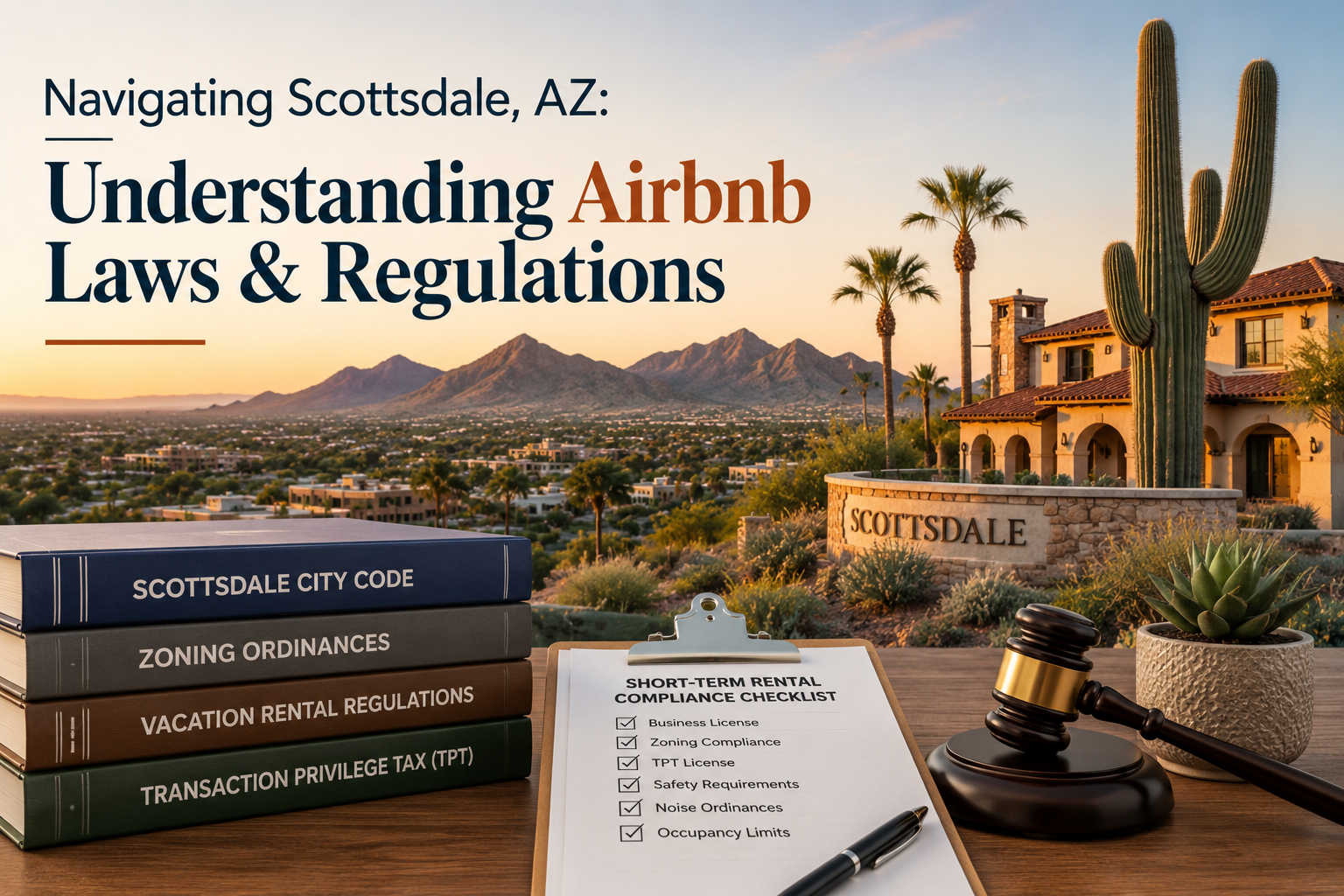
Airbnb Laws & Regulations in Scottsdale, AZ: A Guide to Local Law Compliance
Thinking about renting out your place in Scottsdale, Arizona? It's a great market, but like anywhere, there are rules. Scottsdale has specific rules for short-term rentals, and knowing them is key. This guide will help you understand the Airbnb Laws & Regulations in Scottsdale, AZ, so you can operate smoothly and avoid any surprise issues.
Key Takeaways
- Scottsdale has clear definitions for short-term rentals, impacting how properties can be used for temporary stays.
- Hosts need to understand licensing, occupancy limits, safety standards, and zoning rules to comply with local ordinances.
- Securing a short-term rental permit involves a specific application process, documentation, and annual renewal with associated fees.
- Hosts are responsible for understanding and remitting various taxes, including transaction privilege tax and lodging taxes, on rental income.
- Failure to comply with Scottsdale's short-term rental laws can lead to penalties, with code enforcement playing a role in oversight.
Understanding Scottsdale's Short-Term Rental Landscape
Defining Short-Term Rentals in Scottsdale
Short-term rentals in Scottsdale usually refer to properties rented out for 30 days or less—think weekend stays, week-long vacations, and seasonal bookings. Scottsdale’s regulations cover everything from condos and single-family homes to accessory dwelling units (ADUs), which saw expanded use following the 2026 zoning ordinance update. The city treats all types of private residential accommodations, if rented for short stays, as short-term rentals. This definition affects licensing, taxation, and neighborhood relations.
The Economic Impact of Vacation Rentals
The way short-term rentals contribute to Scottsdale’s economy can be seen in both visitor spending and job creation—plus an increase in city tax collections. Here’s what that usually looks like:
| Category | Estimated Annual Impact |
|---|---|
| Local Visitor Spending | $450 million |
| Hospitality Jobs Created | 8,000+ |
| Lodging & Transaction Taxes | $30 million |
Tourism patterns drive up occupancy rates during golf tournaments, spring training, and winter events. Many hosts adjust rates dynamically to match increased demand, maximizing nightly income. The influx of travelers supports restaurants, shops, activity providers, and even ride-shares—so it’s a ripple effect throughout Scottsdale.
Key Stakeholders in Scottsdale's Tourism Economy
Several groups play a role in Scottsdale’s short-term rental scene. If you’re considering hosting or investing, keep an eye on:
- Local property owners and Airbnb hosts managing listings or rentals
- Tourism boards, which help attract guests and shape city branding
- Neighborhood associations, often voicing concerns about noise and safety
- City officials developing or updating local ordinances in response to tourism trends
The combination of seasonal visitors, evolving short-term rental rules, and neighborhood voices means hosts need to pay attention to shifting expectations.
Scottsdale’s tourism-driven economy offers real opportunity for hosts, but also calls for real responsibility—balancing guest experience with community impact never stops being part of the work.
Navigating Scottsdale's Airbnb Laws & Regulations
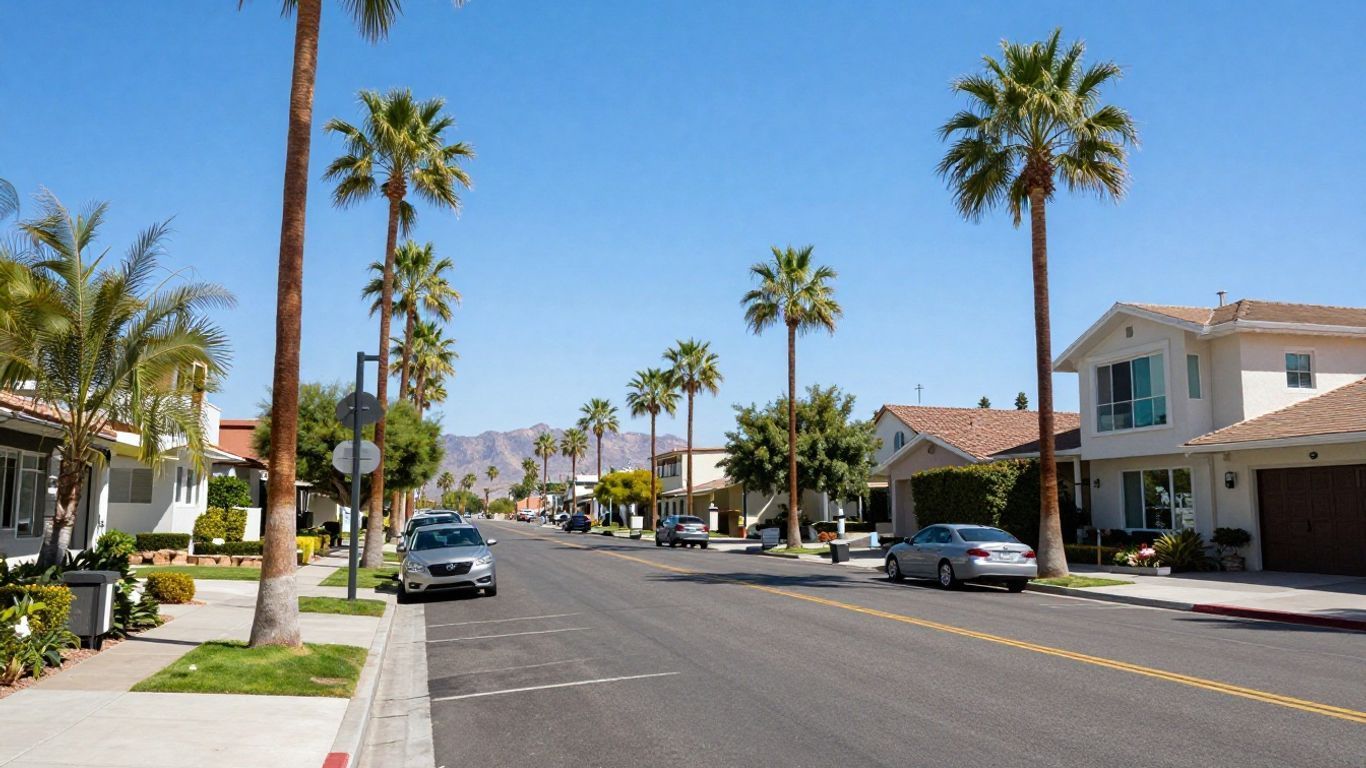
Short-term rentals keep Scottsdale's tourism scene lively, but local laws set the ground rules for owners and guests alike. Understanding how these rules work in 2026 makes hosting smoother and helps avoid headaches.
Current Licensing Requirements for Hosts
You need an annual city license to run a legal Airbnb or vacation rental in Scottsdale. Hosts register through the city's online portal, which has made things more straightforward in recent years. Here’s what’s usually required:
- Submit an application with accurate property info
- Pay an annual licensing fee
- Provide emergency and local contact details
- Pass a background check for the property’s owner/operator
Keeping up with these steps means your property is part of the legal hospitality ecosystem, and you’re less likely to get hit with penalties. If you’re wondering about the city's attitude toward short-term rentals, let's just say regulations here are considered pretty relaxed.
Occupancy Limits and Safety Standards
Every Airbnb in Scottsdale must follow occupancy and safety rules to keep neighborhoods safe and guests comfortable. Occupancy is based on the number of bedrooms and local fire codes. Key standards include:
- No more than two adults per bedroom, plus two more guests per rental
- Properties must have smoke and carbon monoxide detectors
- Fire extinguishers and first-aid kits should be accessible
| Bedrooms | Maximum Guests |
|---|---|
| 1 | 4 |
| 2 | 6 |
| 3 | 8 |
| 4+ | 10+ |
Following these standards protects guests and reduces complaints, particularly during busy event seasons when Scottsdale hosts big crowds.
Following safety standards isn’t just box-ticking—it helps guests feel secure and can boost positive reviews, making your rental more appealing to visitors looking for a worry-free stay.
Zoning Restrictions and Neighborhood Considerations
While Scottsdale is flexible by Arizona standards, there are zoning and community guidelines to watch:
- Short-term rentals are allowed in most residential areas, but HOA rules may apply
- Properties can’t be used for events or parties unless specifically permitted
- Noise ordinances must be respected, especially late at night
Neighborhood relations matter. Most guests just want a quiet place to rest, but even one loud group can cause complaints. Checking in with neighbors and following posted rules keeps things smooth for everyone.
To keep track of the latest local requirements, hosts should visit the city’s license registration portal before opening up their property to Scottsdale’s steady tourism stream.
Permitting and Registration Processes
Getting your short-term rental officially set up in Scottsdale involves a few key steps. It's not just about listing your property; it's about making sure you're following all the local rules. This process is designed to keep things orderly and safe for everyone involved, from hosts to guests and the local community.
Steps to Obtain a Short-Term Rental Permit
Securing the necessary permit is your first official hurdle. This usually involves a few distinct actions to get your property compliant. The city wants to ensure all rentals meet certain standards before they're available to visitors.
Here’s a general rundown of what you'll likely need to do:
- Complete the Application: You'll fill out a form detailing your property and your rental plans. This is where you provide all the basic information about who you are and what you're offering.
- Submit Required Documents: This often includes proof of ownership, a site plan, and details about safety features. You might also need to show you've notified your HOA, if applicable.
- Pay the Fees: There's typically an application fee and then ongoing permit fees. These help cover the city's administrative costs and enforcement.
- Pass Inspections (if required): Some cities require a property inspection to ensure it meets safety codes, especially concerning fire safety and occupancy limits.
Once you've gone through these steps, you'll be issued your official short-term rental permit. This document is your license to operate legally and is a big step towards becoming a successful host in Scottsdale's tourism scene.
Annual Renewal and Compliance Fees
Your permit isn't a one-and-done deal. Think of it like renewing your driver's license; you need to keep it current. Scottsdale requires annual renewals for short-term rental permits. This keeps your information up-to-date and ensures you're still meeting the city's requirements.
Along with the renewal process, there are annual compliance fees. These fees help fund the city's short-term rental program, including administration, enforcement, and any necessary updates to regulations. It's important to budget for these costs as they are a part of operating a legal rental property. For example, some areas might have fees based on the number of bedrooms or the type of property.
Documentation Needed for Application
Gathering the right paperwork upfront can make the permitting process much smoother. You don't want to be scrambling for documents at the last minute. Having everything organized will save you time and potential headaches.
Here's a look at common documents you'll likely need:
- Proof of Ownership: This could be a deed or property tax statement. It shows you have the legal right to rent out the property.
- Contact Information: Details for the property owner and a local contact person who can respond to issues quickly.
- Property Details: Information like the number of bedrooms, sleeping capacity, and square footage.
- Proof of Insurance: A declaration page showing you have the required liability insurance. Scottsdale requires hosts to carry a minimum of $500,000 in liability insurance [b617].
- HOA Approval (if applicable): If your property is part of a Homeowners Association, you may need a letter stating that short-term rentals are permitted or that you have their approval.
Having all your documentation in order before you start the application process is a smart move. It shows you're serious about operating a legitimate business and respects the city's regulatory framework. This preparation is key to a smooth start.
Remember, regulations can change, so it's always a good idea to check the official City of Scottsdale website or contact their licensing department directly for the most current list of requirements. Staying informed about these processes is part of being a responsible host in Arizona's vibrant tourism market.
Tax Obligations for Scottsdale Airbnb Hosts
Running an Airbnb in Scottsdale isn't just about listing your place and greeting guests. Every host needs to understand the local tax responsibilities that come with the job. Scottsdale's tourism industry depends a lot on these revenues to keep up city infrastructure and maintain the charm that keeps people coming back year after year. Here’s what you need to know about handling taxes if you’re an Airbnb host in 2026.
Understanding Transaction Privilege Tax
In Arizona, and especially in Scottsdale, the state has a Transaction Privilege Tax (TPT) that applies to short-term rentals. Even if you only rent out your property a few weekends a year, you’ll be expected to register for and collect this tax.
- TPT is similar to a sales tax but is required for anyone running a business, including short-term rentals
- The current TPT rate for Scottsdale rentals is a combination of state, county, and city portions
- You must register for a TPT license before welcoming your first guest
| Portion | Rate (2026) |
|---|---|
| State | 5.6% |
| County | 0.7% |
| City | 1.75% |
| TOTAL | 8.05% |
Make sure to double-check rates, since these can change with new state or local policies, especially with pending tax policy changes in Arizona.
Collecting and Remitting Lodging Taxes
Besides TPT, hosts have to collect and remit specific lodging taxes on guest stays. This isn’t handled automatically in every case, so you want to be sure you’re not missing anything.
Here's how you can stay on track with your reporting:
- Register your listing for local taxes with both Arizona and the City of Scottsdale
- Charge guests the appropriate tax rate and separate it from nightly rates
- Keep clear, organized records of each transaction and tax amount
Platforms like Airbnb sometimes collect and send taxes on your behalf, but don’t take it for granted. Check your host settings and communications, since you’re the one the government holds accountable.
Reporting Requirements for Rental Income
Any money you earn from short-term rentals is taxable income, and you’ll have to report it at both the state and federal level. Rental income means:
- All payments made by guests (including cleaning fees, pet fees, etc.)
- Security deposits retained for damages
- Any extra income from add-on services or experiences
Make sure you’re also prepared for increased scrutiny as regulations and enforcement ramp up in the city. Keep digital or paper copies of your banking statements and all relevant receipts from your hosting activities.
No aspect of hosting has tripped up more newcomers than taxes—avoid trouble by treating your Airbnb as a business, right from the start.
Handling your Scottsdale Airbnb taxes isn’t glamorous, but it’s non-negotiable if you want to operate smoothly and protect your earnings, especially in a regulatory environment that’s getting stricter by the year. For anyone looking to build a reliable business in a tourism-heavy city, getting your taxes sorted should always be at top of mind.
Enforcement and Penalties for Non-Compliance
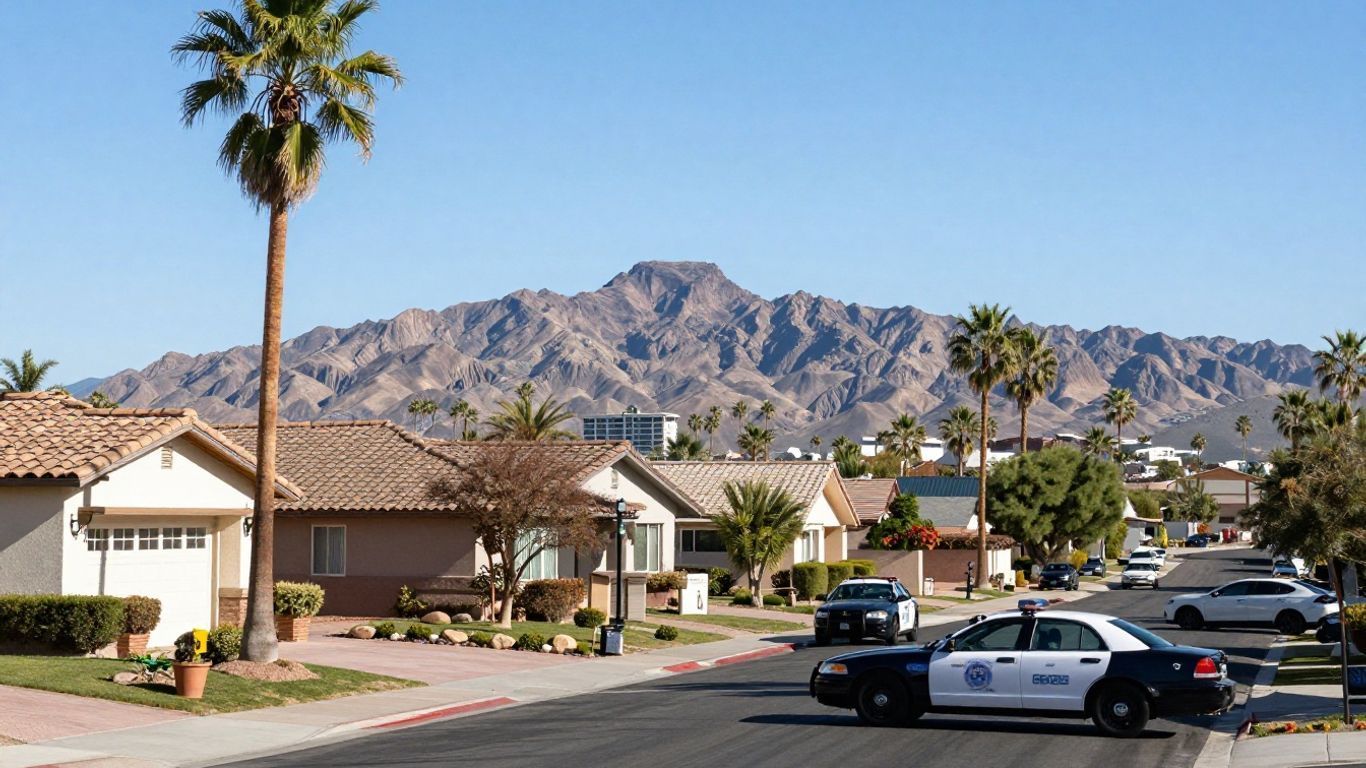
So, you've got your Scottsdale Airbnb set up, and you're ready to welcome guests. That's great! But before you get too deep into booking calendars, it's super important to know what happens if you don't follow the rules. Scottsdale takes its short-term rental regulations seriously, and there are real consequences for hosts who miss the mark.
Consequences of Violating Local Ordinances
Ignoring Scottsdale's rules for short-term rentals can lead to some pretty hefty fines. These aren't just small slaps on the wrist; they can really eat into your profits. The city has a system in place to track violations, and they're not shy about issuing penalties. The goal is to keep things orderly and ensure everyone, from guests to neighbors, has a good experience.
Here's a general idea of what you might face:
- Initial Warnings: Sometimes, especially for minor or first-time offenses, you might get a warning letter. This is your chance to fix the issue before it gets worse.
- Monetary Fines: These can escalate quickly. A first offense might be a few hundred dollars, but repeat violations or more serious issues can climb into the thousands.
- Permit Revocation: If you consistently break the rules, your short-term rental permit could be suspended or even permanently revoked. This means you can't legally operate your rental anymore.
- Legal Action: In extreme cases, the city might pursue further legal action to stop non-compliant operations.
It's really about making sure that short-term rentals contribute positively to the tourism economy without causing undue disruption to residential areas. Understanding these potential penalties should be a big motivator to stay on top of your compliance game.
The Role of Code Enforcement
Scottsdale's code enforcement officers are the ones on the ground making sure that short-term rentals are operating within the law. They handle complaints from residents and also conduct proactive checks. Their job is to investigate potential violations of the city's ordinances related to short-term rentals. This includes checking for proper permits, ensuring occupancy limits aren't exceeded, and verifying that properties meet safety standards. They are a key part of the city's unified enforcement system.
Code enforcement acts as the city's eyes and ears, responding to issues and ensuring that the regulations designed to protect neighborhoods and maintain the quality of the tourist experience are actually being followed. It's their job to uphold the standards that allow Scottsdale to be a desirable destination for visitors and a pleasant place to live.
Appealing Regulatory Decisions
What if you believe a penalty or decision made by code enforcement was unfair or incorrect? Scottsdale provides a process for appealing these decisions. It's not always straightforward, and you'll likely need to gather evidence to support your case. Generally, the process involves:
- Formal Written Appeal: Submitting a formal request to appeal within a specific timeframe, usually outlined in the notice of violation or penalty.
- Review Board Hearing: Presenting your case before a designated board or hearing officer. This is where you'll provide documentation and explain why you believe the decision should be overturned.
- Further Appeals: If the initial appeal is denied, there might be options for further appeals through the court system, though this can become quite costly.
It's always a good idea to review the specific appeal procedures outlined by the City of Scottsdale. Sometimes, a simple misunderstanding can be cleared up, but other times, you might need to be prepared for a more involved process. Staying informed about these procedures is part of responsible hosting, just like understanding the initial licensing requirements.
Future Trends in Scottsdale Short-Term Rental Policy
Anticipating Regulatory Changes
Looking ahead, short-term rental owners in Scottsdale are likely to see some new guidelines pop up over the next few years. City officials have hinted that policies may get updated to handle the steady rise in vacation rentals and maintain neighborhood balance. Prospective changes could include tighter screening protocols for guests and new tech-driven solutions to address noise or nuisance concerns.
Here's what owners should keep an eye on:
- Potential caps on the number of short-term rentals per neighborhood
- Stricter guest identification or background check requirements
- New reporting standards for hosts
Staying on top of these shifts helps avoid surprises, and local discussions often give hosts a chance to speak up or adapt early.
Local governments want to keep Scottsdale attractive for both tourists and residents, so keeping your property in step with coming changes is just smart business.
Impact of Tourism Growth on Policy
Tourism in Scottsdale continues to make STRs an attractive business. Visitor numbers have pushed occupancy and nightly rates up, making short-term rentals profitable for many hosts. According to the latest numbers for early 2026, occupancy climbed to 51.4% and the average daily rate hit $333, showing strong performance in the short-term rental market.
A quick glance at Scottsdale's STR metrics:
| Year | Occupancy Rate | Average Daily Rate |
|---|---|---|
| 2025 | 48.6% | $320 |
| Jan 2026 | 51.4% | $333 |
As tourism picks up, city officials are paying closer attention to the impacts. New regulations might focus on:
- Managing noise and party issues in busy seasons
- Protecting local housing supply from over-conversion to STR use
- Using STR taxes to support city services and tourism infrastructure
Making room for more visitors has its benefits, but hosts should expect rules to keep up with the growth.
Best Practices for Long-Term Host Success
Operating a rental in Scottsdale isn't just about following the current rules—it's about adapting to what's ahead. These steps can help hosts stay competitive:
- Monitor all official city updates—subscribe to local government email lists or alerts
- Build positive ties with neighbors to reduce complaints
- Regularly check your property for compliance with safety and occupancy standards
Hosts willing to stay flexible and proactive will be best positioned, no matter how policies shift. And as Scottsdale remains a top destination for short-term rentals, those who invest in guest experience and local community relationships can count on strong demand.
Staying Compliant in Scottsdale's Short-Term Rental Market
So, what's the takeaway for anyone looking to rent out their place in Scottsdale? It's clear that the city is serious about managing short-term rentals. Keeping up with the latest rules, like those for licensing and occupancy limits, is key. Ignoring them can lead to fines and headaches. For hosts who want to make the most of the local market and ensure a smooth, worry-free experience, partnering with experts in luxury Airbnb management in Scottsdale, AZ can be an effective way to navigate regulations while elevating your guest experience. Doing this helps protect your investment and keeps things running smoothly for guests, too.
Frequently Asked Questions
Share to social media
More posts