
Golf Tourism Is Reshaping Luxury Travel and Vacation Rental Demand

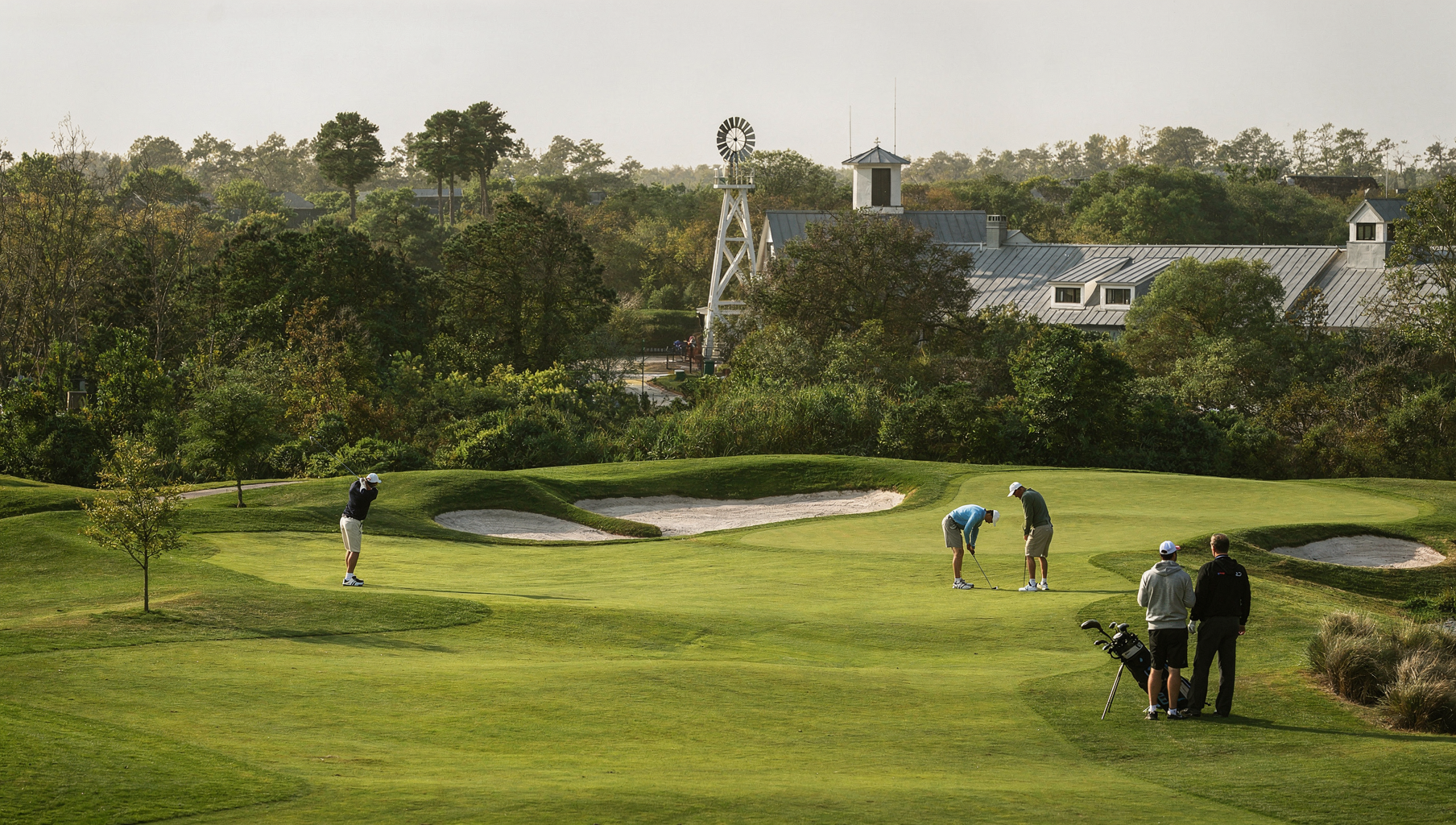
Golf tourism has quietly become one of the most powerful forces in modern travel — and not just within the golf industry itself. What was once associated primarily with country clubs and seasonal retirees has evolved into a broader experiential travel movement fueled by destination golf trips, luxury hospitality, social travel, and high-spending leisure travelers.
Over the past several years, golf-related travel has surged across the United States and internationally as more travelers prioritize experiences over traditional tourism. According to the National Golf Foundation’s golf travel boom, more than 12 million Americans have traveled to play golf each year since 2022, a dramatic increase from the estimated 8.2 million golfers who traveled for the game in 2018.
The organization also noted that golf travel has increasingly centered around destination experiences, resort-driven trips, and aspirational courses that attract visitors from across the country.
That shift matters far beyond the fairway.
Golf travelers often book larger accommodations, travel in groups, spend more on hospitality experiences, and prioritize destinations that combine golf with luxury amenities, dining, entertainment, and outdoor recreation.
As a result, golf tourism has become deeply connected to resort markets, luxury vacation rentals, experiential hospitality, and high-performing short-term rental destinations.
The rise of golf travel is also occurring during a broader transformation in consumer behavior. Travelers increasingly want experiences tied to lifestyle, identity, and memorable destination-based activities rather than generic vacations. Golf trips naturally fit that trend because they combine competition, relaxation, social experiences, and luxury travel into a single destination-focused getaway.
Why Golf Travelers Behave Differently Than Traditional Tourists
One of the reasons golf tourism creates such strong hospitality demand is that golf travelers tend to behave differently than many traditional tourists. A golf trip is rarely spontaneous. Most golf vacations involve significant planning, coordinated group schedules, destination research, lodging selection, and reservations for courses or resorts.
That planning process often creates longer booking windows and larger travel budgets.
Many golf tourists also travel in groups — particularly for buddy trips, tournaments, destination weekends, or corporate outings. Instead of reserving standard hotel rooms, these travelers frequently look for accommodations that provide shared gathering spaces, luxury amenities, entertainment areas, and convenient access to nearby golf courses.
This is one of the reasons vacation rentals and golf-oriented hospitality markets have become increasingly intertwined. Larger homes, golf villas, and resort-area properties often align more naturally with the type of experience many golf travelers want during a trip.
Golf travelers also tend to demonstrate unusually strong destination loyalty. Once a group finds a course rotation, resort area, or golf destination they enjoy, repeat trips often follow. That repeat visitation can create recurring travel demand in certain markets, particularly in areas where golf is tied closely to luxury hospitality and destination tourism.
In many ways, golf travel behaves less like a casual vacation segment and more like a lifestyle-oriented travel category.
The Rise of Experiential Golf Travel
The growth of golf tourism also reflects a larger shift toward experiential travel. Increasingly, travelers are choosing trips built around memorable activities, social experiences, and destination-focused recreation rather than simply booking generic leisure vacations.
Golf fits naturally into that trend because the experience extends well beyond the round itself.
Modern golf trips often revolve around:
- destination resorts
- luxury accommodations
- restaurants and nightlife
- group experiences
- wellness amenities
- outdoor recreation
- social media-worthy travel experiences
This shift has helped introduce golf travel to younger audiences who may not fit the traditional image historically associated with the sport. Forbes recently highlighted in its article on experiential golf travel how younger generations are helping fuel record levels of golf-related travel, driven in part by lifestyle-oriented travel trends, social golf culture, and increased interest in destination golf experiences.
Social media and digital golf culture have also contributed to the growth of golf tourism. Destination golf content now regularly appears across YouTube, Instagram, TikTok, and golf media platforms, exposing travelers to bucket-list courses, luxury golf resorts, and highly curated travel experiences that encourage future trips.
For many travelers, golf is no longer simply the activity that happens during a vacation. In many destinations, the golf experience itself has become the reason for the trip.
The “Travel Window” Effect and Why Golf Travelers Matter Economically
One of the more interesting aspects of golf tourism is how spending behavior extends beyond the trip itself.
The National Golf Foundation describes this as the travel window effect — the idea that golfers often make a large percentage of their yearly golf-related purchases before, during, and after a trip. According to the organization, roughly 50% to 60% of a traveling golfer’s annual spending occurs during these expanded travel windows, including trip planning, destination experiences, equipment purchases, dining, entertainment, and post-trip engagement.
That spending pattern makes golf travelers particularly valuable within the broader travel economy.
Unlike some forms of tourism that center around shorter or lower-spending trips, golf vacations frequently involve:
- premium accommodations
- multi-day stays
- group dining
- resort spending
- entertainment
- transportation
- retail purchases
- destination experiences
This creates a ripple effect across hospitality markets, especially in destinations where golf is closely connected to luxury travel, resorts, and experiential tourism.
As golf tourism continues to expand, it is increasingly influencing not only the golf industry itself but also the broader hospitality, vacation rental, and travel sectors that benefit from high-intent leisure travelers seeking destination-driven experiences.
Why Golf Tourism Creates Powerful Hospitality and Vacation Rental Markets
Golf tourism has transitioned from a specialized travel segment into a significant economic catalyst. In premier destinations, this movement is fundamentally reshaping hospitality development, the expansion of luxury resorts, and the sustained performance of high-end vacation rentals.
As experiential travel redefines the global tourism landscape, golf-centric markets are increasingly capturing travelers who prioritize aspirational experiences and premium accommodations. According to Fortune Business Insights’ report on the golf tourism market, the global sector was valued at approximately $28 billion in 2025 and is projected to climb past $61 billion by 2034, reflecting the steady global expansion of the game.
This trajectory mirrors a broader evolution in consumer behavior, where travelers increasingly favor trips that align with their personal lifestyle, wellness goals, and destination identity over standard, transactional vacations.
Golf is a natural fit for this shift because destination trips typically encompass much more than the fairways. These journeys often integrate:
- luxury accommodations
- resort amenities
- destination dining
- outdoor recreation
- wellness experiences
- nightlife
- group travel experiences
Consequently, golf tourism has become inextricably linked to the luxury hospitality sector and destination-driven travel economies.
Why Golf Tourism Naturally Supports Luxury Hospitality
The reason golf tourism drives such intense hospitality demand is that these travelers frequently prioritize the total destination experience over the individual round of golf.
Modern golf getaways are often built around:
- resort environments
- destination experiences
- premium hospitality
- experiential travel
- group-oriented accommodations
This inherent structure aligns the sector with:
- luxury resorts
- boutique hospitality
- vacation rentals
- high-end experiential travel markets
The broader luxury golf tourism ecosystem has expanded alongside the rise of affluent leisure travel and personalized experiences. Recent market analysis highlights how the sector continues to attract visitors seeking a sophisticated blend of sport, leisure, and curated destination hospitality.
This synergy is vital because golf tourists often exhibit different spending patterns than traditional travelers. Most golf-centric trips involve:
- larger travel budgets
- longer stays
- destination-focused itineraries
- group accommodations
- premium dining
- resort amenities
- curated hospitality experiences
These spending habits exert a significant influence on the hospitality ecosystems in markets where golf is central to the tourism economy.
Property Types That Tend To Perform Well in Golf Markets
Given that golf travel often revolves around group dynamics and destination stays, specific accommodation types frequently outperform the broader market in these areas.
The most in-demand properties in golf hubs typically include:
- golf villas
- luxury vacation homes
- resort-area rentals
- large group-friendly properties
- homes with pools and outdoor entertainment areas
- accommodations near golf resorts or championship courses
Often, these travelers seek out lodging that feels like a core component of the vacation experience rather than just a place to sleep.
This preference is notably prevalent among:
- buddy golf trips
- tournament travel
- couples’ getaways
- corporate golf retreats
- destination golf vacations
Many golf travelers favor accommodations that foster group social experiences while providing hospitality-driven amenities. This specific demand has significantly bolstered vacation rental markets in golf-focused regions.
The wider golf travel industry also continues to benefit from the integration of wellness services, destination branding, and resort-style luxury that resonates with modern experiential travelers.
The Destinations Leading the Golf Tourism Boom
Several regions have established themselves as premier international golf travel markets by combining:
- championship golf courses
- destination branding
- hospitality infrastructure
- climate
- experiential travel appeal
Within the United States, some of the most prominent golf tourism hubs include:
- Scottsdale, Arizona
- Myrtle Beach, South Carolina
- Pinehurst, North Carolina
- Pebble Beach, California
- Bandon Dunes, Oregon
Internationally, Scotland and Ireland maintain their status as essential destinations due to their historic links, luxury resorts, and global reputations for the game.
Industry analysis of the global golf tourism industry indicates a growing demand for destination-based experiences that pair sport with luxury hospitality and curated tourism services.
Many of these markets now position golf as a component of a broader luxury lifestyle identity rather than just an outdoor activity.
This strategy allows golf tourism to intersect with:
- wellness travel
- luxury hospitality
- resort tourism
- culinary tourism
- experiential leisure travel
Such integration creates more robust and resilient hospitality ecosystems in golf-driven regions.
Why Golf Tourism Matters for Hospitality Performance
Golf tourism is exceptionally valuable for operators because these travelers often represent a high-intent, premium leisure segment.
Golf-related trips are frequently:
- planned in advance
- destination-driven
- experience-oriented
- tied to premium spending behavior
This translates to positive impacts on:
- nightly rates
- booking windows
- repeat visitation
- occupancy stability
- ancillary hospitality spending
The ongoing golf tourism market growth is also driven by the rising popularity of sports-based travel and experiential vacations that blend high-quality recreation with hospitality.
This trend is becoming increasingly significant for resorts and vacation rental markets alike, as modern travelers prioritize:
- atmosphere
- amenities
- hospitality quality
- destination identity
- memorable group experiences
In these hubs, the caliber of the surrounding hospitality experience is now just as critical to travel demand as the golf courses themselves.
As the sector continues to grow, hospitality and vacation rental markets are focusing on the reality that the golf travel experience extends far beyond the final hole.

What Golf Tourism Means for Vacation Rental Investors and Hospitality Operators
As golf tourism continues expanding globally, its influence is increasingly extending beyond golf courses and resorts into broader hospitality and vacation rental markets. For investors, hospitality operators, and destination-driven property owners, golf-related travel represents far more than a niche tourism category — it represents a high-intent segment of experiential travelers often associated with premium spending behavior, destination loyalty, and strong hospitality demand.
That trend is expected to continue growing over the next decade. According to “Golf Tourism Market Size, Share & Industry Analysis” by Fortune Business Insights, the golf tourism industry is projected to grow significantly as experiential travel, luxury hospitality, and sports-oriented tourism continue gaining momentum worldwide. The report notes that golf tourism increasingly overlaps with luxury travel, destination experiences, and premium hospitality offerings that appeal to affluent travelers seeking curated leisure experiences.
That overlap is particularly important for hospitality-focused destinations where golf functions as part of a broader travel ecosystem rather than a standalone activity.
What Golf Tourism Means for Vacation Rental Investors
One of the reasons golf tourism attracts attention from vacation rental investors is that golf travelers often align naturally with many of the characteristics associated with strong short-term rental demand.
Golf-oriented travel frequently involves:
- larger groups
- destination-based trips
- premium accommodations
- multi-day stays
- advance planning
- and higher overall trip spending
These characteristics can create favorable conditions for:
- larger vacation homes
- luxury accommodations
- resort-area properties
- and group-oriented rental inventory
Many golf travelers are not simply looking for proximity to courses. They are often seeking a complete destination experience that includes:
- hospitality
- entertainment
- dining
- outdoor recreation
- and high-end accommodations
As a result, golf-heavy markets often see strong demand for vacation rentals that combine:
- group-friendly layouts
- luxury amenities
- pools and outdoor spaces
- entertainment areas
- and resort-style experiences
This is especially true in destinations where golf intersects with broader experiential tourism trends.
The broader golf tourism industry growth also reflects increasing demand for personalized travel experiences,
destination-oriented hospitality, and all-inclusive golf-focused leisure travel. The report highlights continued expansion in luxury golf tourism, customized golf tours, resort-connected travel experiences, and hospitality-driven golf packages that combine recreation with premium accommodations and destination experiences.
For vacation rental investors, this can create opportunities in markets where golf demand is supported:
- premium nightly rates
- repeat visitation
- shoulder-season travel
- and longer booking windows
Why Hospitality Operations Matter in Golf Markets
Golf travelers often have elevated expectations regarding hospitality quality and the overall guest experience.
Because many golf trips are planned well in advance and tied to destination experiences, travelers frequently place greater emphasis on:
- operational consistency
- cleanliness
- luxury amenities
- convenience
- guest communication
- and overall hospitality quality
In golf-oriented destinations, the accommodations themselves often become part of the overall travel experience.
This is one of the reasons hospitality operations can play such an important role in golf-driven markets. Travelers seeking destination golf experiences are often comparing:
- resorts
- boutique hospitality experiences
- luxury vacation homes
- and high-end accommodations
rather than simply searching for the lowest-cost lodging option.
As golf tourism becomes increasingly connected to experiential travel and premium hospitality, operators who focus on:
- guest experience
- hospitality-driven operations
- revenue optimization
- and experiential positioning
may be better positioned to compete in destination-oriented travel markets.
The broader luxury golf tourism segment also continues benefiting from rising demand for experiential hospitality, destination branding, and personalized leisure travel experiences.
That trend reinforces the idea that golf tourism increasingly overlaps with luxury hospitality rather than existing solely within the sports and recreation category.
How Amenities Influence Golf Travel Demand
Amenities can also play a major role in golf-oriented hospitality markets.
Because many golf trips revolve around groups, leisure experiences, and destination stays, travelers often prioritize accommodations that enhance the broader experience surrounding the trip.
Some of the most desirable amenities in golf-heavy markets include:
- pools and hot tubs
- outdoor entertainment areas
- golf simulators
- large gathering spaces
- luxury kitchens
- wellness amenities
- resort-style outdoor living
- proximity to golf resorts or courses
For many travelers, the destination experience extends far beyond time spent on the course itself.
This is part of the reason golf tourism increasingly intersects with:
- experiential hospitality
- luxury travel
- wellness tourism
- and lifestyle-oriented leisure travel
rather than functioning solely as a sports tourism segment.
Why Golf Tourism Is Bigger Than Golf
One of the most important developments in golf tourism is that the category itself is evolving beyond traditional perceptions of golf travel.
Modern golf tourism increasingly overlaps with:
- experiential travel
- luxury hospitality
- wellness travel
- group leisure travel
- destination-focused tourism
- and lifestyle-oriented hospitality experiences
This broader transformation is one of the reasons the golf tourism market continues to attract investment and expansion across the hospitality sector.
For many travelers, golf is no longer simply the activity that happens during the trip. In many destinations, golf becomes part of a larger hospitality and experiential travel ecosystem centered around:
- memorable experiences
- destination identity
- luxury accommodations
- and curated leisure travel
As experiential travel continues influencing consumer behavior, golf tourism is likely to remain closely connected to many of the broader trends reshaping hospitality, luxury travel, and destination-driven vacation rental markets.
The Takeaway
Golf tourism has evolved far beyond the golf course itself. In many destinations, it now overlaps directly with:
- luxury travel
- experiential hospitality
- group travel
- wellness tourism
- and destination-driven vacation rental demand
For vacation rental investors, golf-oriented markets often benefit from:
- affluent travelers
- larger group bookings
- longer planning windows
- repeat visitation
- and a stronger demand for premium accommodations
Properties that tend to perform well in golf-heavy destinations often include:
- luxury vacation homes
- golf villas
- resort-area rentals
- and group-friendly properties with elevated amenities
Golf travelers also frequently prioritize:
- hospitality quality
- convenience
- outdoor amenities
- and destination experiences beyond the course itself
At Home Team Luxury Rentals, our Airbnb and vacation rental management services are built around understanding the tourism drivers and experiential travel patterns that influence performance in luxury vacation rental markets — including many destinations where golf tourism plays a significant role in local hospitality demand.
Share to social media
More posts