

How Smart Thermostats Reduce Costs for Vacation Rental Owners
By: Menandro Bacalangco Jr. |
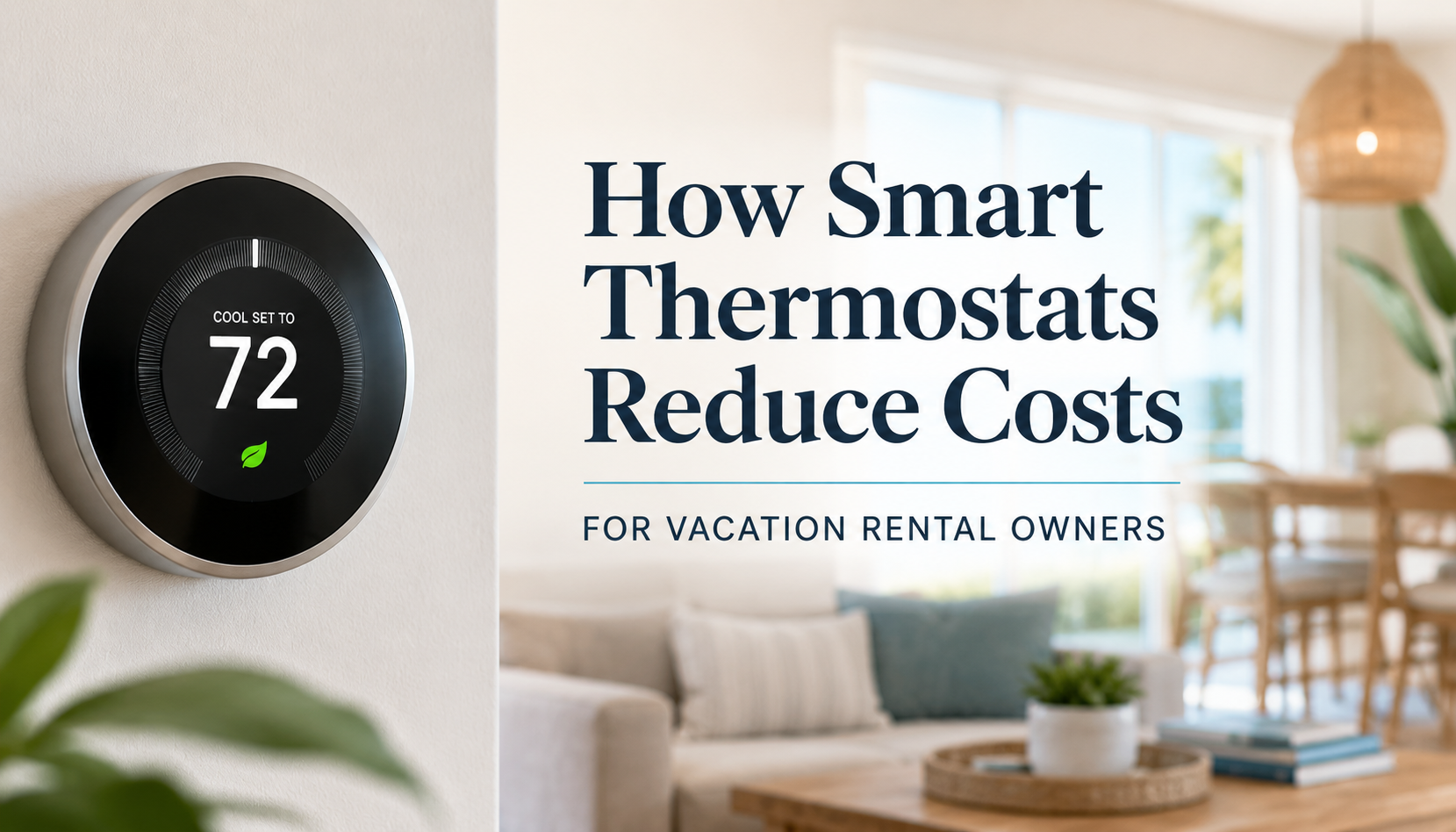
Balancing guest comfort with energy efficiency is a priority for vacation rental owners. As one of the most valuable property amenities, smart thermostats make it easier to automate climate control, optimize HVAC performance, and reduce utility costs without sacrificing the guest experience.
Whether you choose Honeywell Home, Sensi, Nest Thermostat, or the Ecobee Smart Thermostat Premium, a smart thermostat lets you remotely manage temperature, automate heating and cooling schedules, and protect your property's equipment.
Because smart thermostats are energy-efficient, they help owners improve operational efficiency while creating a more comfortable stay for guests.
Key Takeaways for Convenient Climate Control with Smart Thermostats
Optimizing climate control helps vacation rental owners improve guest satisfaction while reducing operating costs. Installing a modern smart thermostat provides several important benefits:
- Reduce utility expenses by automating idle HVAC usage.
- Protect expensive heating and cooling equipment.
- Improve operational efficiency through remote management.
- Enhance guest comfort with automatic temperature adjustments.
- Increase property appeal with energy-efficient technology.
- Integrate reservation calendars for seamless automation.
Energy Efficiency via Sensi, Honeywell Home, and Smart Thermostats
Maintaining climate control in vacant vacation rentals often results in wasted energy when managed manually. Installing smart thermostats allows owners to automatically reduce heating and cooling when properties are vacant while restoring comfortable settings before guest arrival.
Many owners choose trusted models from Honeywell Home, Sensi, and Ecobee Smart because they combine reliable automation with intuitive controls. Whether managing one rental or an entire portfolio, these thermostats help reduce utility expenses while maintaining optimal HVAC performance.
Reducing base load during vacant periods
Vacant properties often experience unnecessary energy consumption because systems continue to maintain occupied comfort levels. A programmable thermostat automatically adjusts the temperature during vacant periods while preventing excessive swings that could damage the home.
Many Honeywell and Sensi devices include ENERGY STAR® certification, helping owners reduce operating costs while extending equipment life. Rather than relying on manual adjustments, these smart thermostats intelligently manage climate settings throughout the day.
Eliminating manual temperature monitoring
Traditional thermostat programming often requires constant adjustments when weather conditions change. Modern learning thermostat technology automatically adapts to seasonal conditions and occupancy patterns.
Popular options such as the Nest Thermostat, Honeywell Home, and Ecobee Smart Thermostat Premium continuously optimize indoor temperature, making it easier to maintain guest comfort while reducing unnecessary HVAC runtime.
Tracking energy consumption patterns for seasonal budgeting
Seasonal utility costs can fluctuate significantly. Modern smart thermostat platforms generate detailed usage reports that help owners identify trends in heating, cooling, and HVAC performance.
Platforms powered by Resideo and Honeywell provide valuable insights that simplify seasonal budgeting and maintenance planning. These reports also help identify inefficient equipment before it becomes a costly repair.
Remote Automation and Convenient Control Using WiFi Thermostats
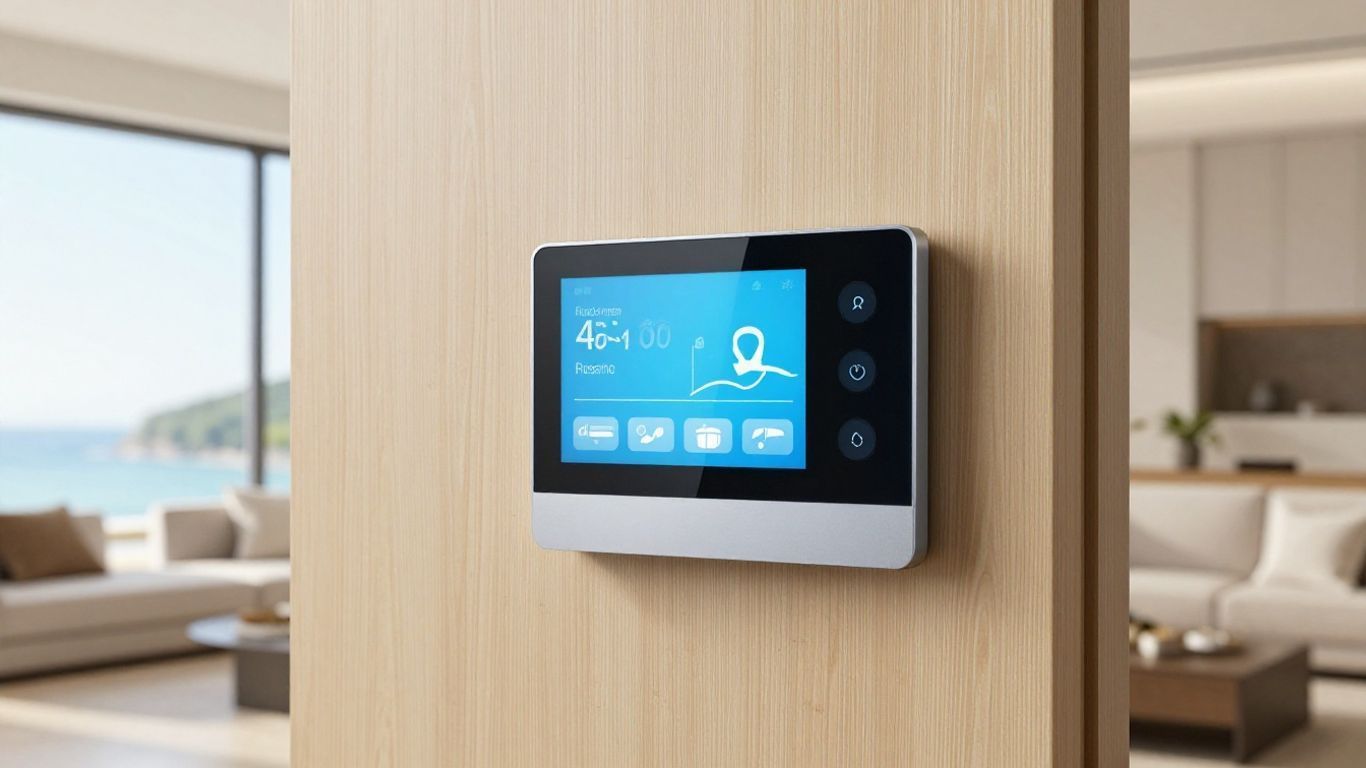
Remote management has become one of the most valuable features of modern WiFi thermostats. Connected through your home's internet, owners can adjust the temperature, monitor equipment status, and prepare a property for arriving guests from virtually anywhere.
This convenient functionality eliminates unnecessary site visits while ensuring every guest arrives at a comfortable vacation rental.
Setting parameters for check-in and check-out times
Automated schedules allow the smart thermostat to activate comfortable settings shortly before guest arrival and return to energy-saving mode immediately after checkout.
Whether using Nest, Honeywell Home, or Ecobee Smart, owners can create programmable schedules that maximize comfort without running the HVAC system for hours when the property is empty.
Preventing extreme temperature fluctuations in unoccupied units
Saving energy should never come at the expense of protecting the property. Modern thermostats maintain safe indoor temperature ranges that help prevent frozen pipes, excessive humidity, or mold growth.
Balanced heating and air conditioning cycles also reduce wear on the furnace and other HVAC components, extending the life of expensive equipment.
Utilizing geofencing for dynamic adjustments
Geofencing technology allows a smart thermostat to respond automatically based on reservation software or authorized mobile devices instead of relying solely on fixed schedules.
Many WiFi thermostat systems incorporate learning thermostat capabilities that continuously improve scheduling accuracy. This intelligent automation reduces energy waste while ensuring guests always enter a comfortable property.
Integrating the Ecobee Smart Thermostat Premium and Learning Thermostat Systems
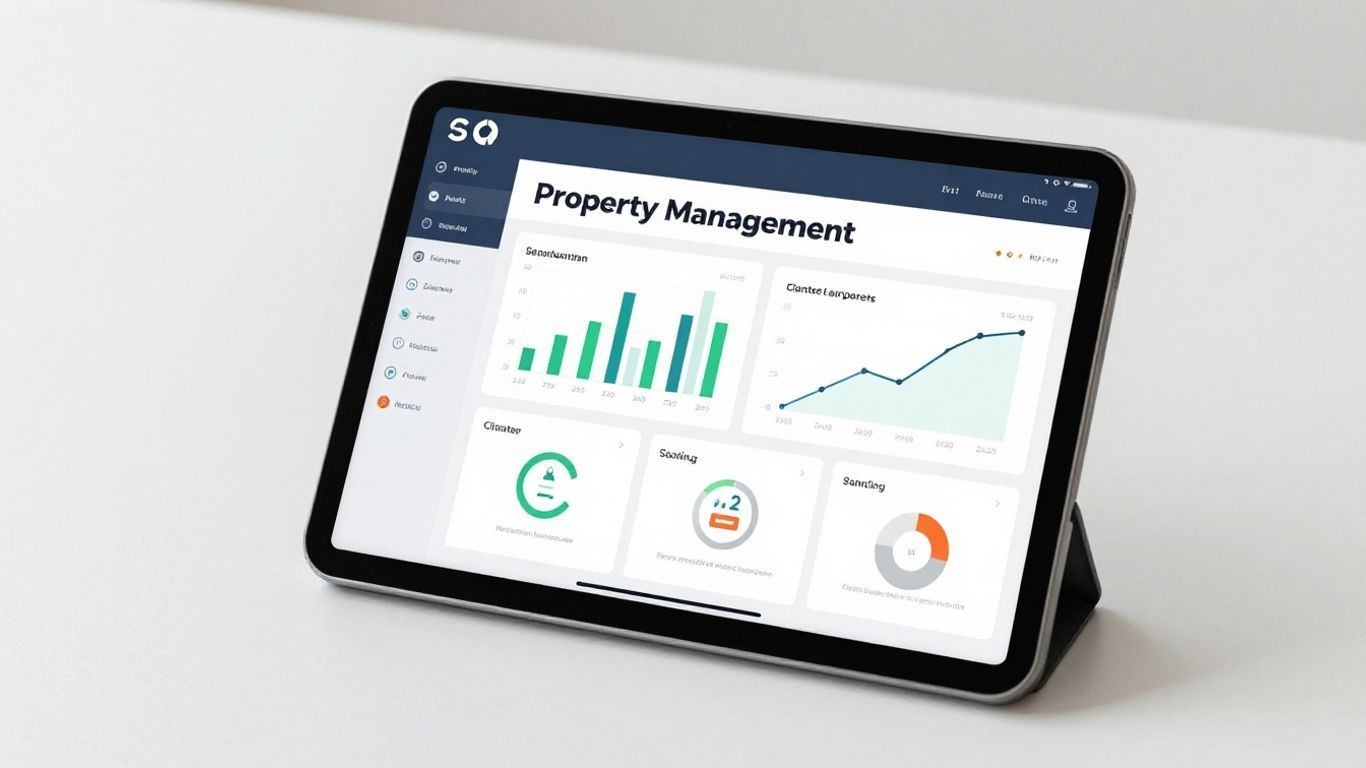
Connecting climate control hardware with reservation software simplifies vacation rental management while reducing manual tasks. Integrating a smart thermostat with your booking platform ensures that every reservation automatically updates your property's climate settings, eliminating scheduling errors and improving operational efficiency.
Automating settings sync with reservation calendars
Most property managers already rely on reservation software to coordinate bookings, but pairing it with a learning thermostat takes automation a step further. Whether you're using the Ecobee Smart Thermostat Premium, Ecobee Smart, Nest Thermostat, Honeywell Home, or other compatible models, the system can automatically prepare the property before guests arrive and return it to energy-saving settings after checkout.
This seamless automation keeps the temperature comfortable only when needed, reducing unnecessary heating and cooling while extending the life of your HVAC equipment. Owners managing multiple rentals especially benefit from this integration because it removes repetitive manual adjustments across properties.
- Automated temperature setback based on confirmed checkout status.
- Pre-arrival conditioning triggered by the reservation start time.
- Real-time updates if a booking is extended or shortened unexpectedly.
- Consistency in energy efficiency for vacation homes across an entire rental portfolio.
When these systems communicate effectively, the need for manual communication between the reservation deck and maintenance staff vanishes, allowing managers to focus on guest experience, while the following table summarizes the impact of these integrations on total property performance.
| Feature | Cost Impact | Operational Benefit |
|---|---|---|
| Calendar Sync | Reduced Overtime | Automated Scheduling |
| Remote Access | Low/None | Immediate Response |
| Firmware Updates | Low | Future Proofing |
By ensuring these technologies remain updated through constant software communication, managers maintain better command over their rental assets while keeping expenses strictly in line with actual occupancy.
Receiving real-time alerts for system malfunctions
Modern smart thermostats continuously monitor system performance and notify owners when abnormal conditions occur. If indoor temperature rises unexpectedly or the HVAC system runs longer than normal, alerts allow owners to address issues before they affect guests.
Many Honeywell and Resideo platforms also provide maintenance notifications that help identify clogged filters, failing components, or unusual system behavior early. Proactive monitoring helps avoid emergency repairs while protecting valuable equipment.
Centralizing property maintenance via software dashboards
Owners managing multiple vacation rentals can monitor all connected thermostats from a centralized dashboard. Platforms supported by Honeywell Home, Sensi, Nest, and Ecobee Smart allow property managers to review equipment health, monitor temperature settings, and make remote adjustments without visiting each property individually.
Centralized management improves response times, simplifies maintenance planning, and ensures every property maintains consistent guest comfort.
Protecting HVAC Infrastructure with Modern Smart Thermostats
Continuous, uncontrolled use by guests can push expensive equipment beyond its operational limits and lead to unexpected breakdowns. Implementing strict controls ensures that the hardware remains protected regardless of how often the guest decides to adjust the interface.
Implementing lockout codes to prevent guest misuse
Giving guests full access to hardware often leads to extreme settings that force the motor or heat exchanger to work inefficiently. By utilizing lockout codes, owners provide guests with control inside a reasonable range, protecting the unit from settings that cause unnecessary cycles and early failure.
Detecting early warning signs of system failure
Monitoring how often a system runs versus the output observed helps in identifying potential leaks or component decay long before a critical failure occurs. This data-driven approach to maintenance moves the strategy from reactive, expensive crisis management to a proactive model that saves thousands.
Extending equipment lifespan through intelligent cycling
Intelligent cycling manages the rhythm of the heating and cooling process to prevent the unit from turning on and off in rapid, damaging sequences. This process preserves the motor and internal components, maximizing the return on investment for the entire HVAC assembly.
Enhancing Rental Marketability with Efficient Thermostats
Modern travelers often prioritize transparency regarding energy use and sustainability when choosing where to book their next stay. Demonstrating that a property is managed with efficiency in mind helps attract discerning, eco-conscious travelers who expect responsible stewardship of resources.
Appealing to eco-conscious travelers
Travelers are increasingly evaluating rental options based on environmental credentials. By showing that technology has been deployed to minimize the carbon footprint of the stay, owners position their property as a forward-thinking choice for those who care about their collective impact while on vacation.
Displaying green practices in property listings
Highlighting energy-efficient amenities in property descriptions serves as a powerful marketing differentiator in crowded markets. When potential bookers see that the property uses high-performance equipment or automated efficiency measures, it adds a layer of professionalism and care that encourages higher bookings.
Aligning with local energy-saving compliance standards
Many municipalities are introducing strict guidelines regarding energy consumption for short-term rentals and residential properties. Utilizing these smart technologies ensures that the owner stays ahead of regulatory requirements and avoids potential fines or compliance issues that can arise in regions targeting aggressive energy targets.
Conclusion
Investing in smart thermostats is a practical way for vacation rental owners to reduce utility costs, protect HVAC equipment, and create a more comfortable guest experience. With features like automated scheduling, remote monitoring, and intelligent temperature control, these systems improve operational efficiency while supporting long-term property performance.
Whether you choose Honeywell Home, Sensi, Nest Thermostat, or the Ecobee Smart Thermostat Premium, modern climate control technology helps maximize both guest satisfaction and energy savings. When paired with professional Luxury Airbnb Management Services, these smart solutions become even more effective, ensuring your property is well-maintained, efficiently managed, and consistently ready to deliver an exceptional guest experience.
Frequently Asked Questions
How does remote temperature control affect guest convenience?
It allows homeowners to ensure the property is at a comfortable temperature upon arrival, which eliminates the initial annoyance guests may feel entering an overheated or overly cold home. Modern systems can also allow guests to adjust settings within a safe, predefined range.
Can these systems be used in older homes?
Yes, most smart devices are designed for broad compatibility with a wide range of existing heating and cooling equipment. Checking the wiring requirements and checking product specifications before installation is typically sufficient to ensure compatibility.
What happens if the internet connection is lost?
Most high-quality devices are designed to continue operating on the last set schedule or a default "safe mode" program if the connection drops. Manual control at the wall unit still remains a functional backup in many models.
Does geofencing compromise guest privacy?
When properly configured, geofencing uses the location of mobile apps to trigger temperature changes; it does not track specific individual movements. Privacy-focused setups can rely on system triggers or reservation timelines rather than personal occupant tracking.
Do these systems require frequent maintenance?
Modern smart thermostats generally require minimal maintenance beyond occasional software updates provided by the manufacturer. Occasionally ensuring that sensors remain clean and unobstructed is usually enough to maintain peak performance.
Is it possible to lock settings against guest adjustments?
Many devices support a "guest lock" feature, which allows owners to define an acceptable range for temperature settings. Guests retain the ability to adjust the comfort level within those bounds while the system prevents them from selecting extreme or energy-wasting temperatures.
How do these sensors identify potential system failures?
Sensors track the duration and frequency of heating or cooling cycles versus the progress of the room temperature. When the system observes that a room is not cooling down at the expected rate, it flags a discrepancy, signaling that a filter might be clogged or a compressor might be struggling.
Share to social media
More posts