
Wellness Retreats in Corvallis: A Planning Guide
By: Adam Jerold Cansino | September 18, 2026
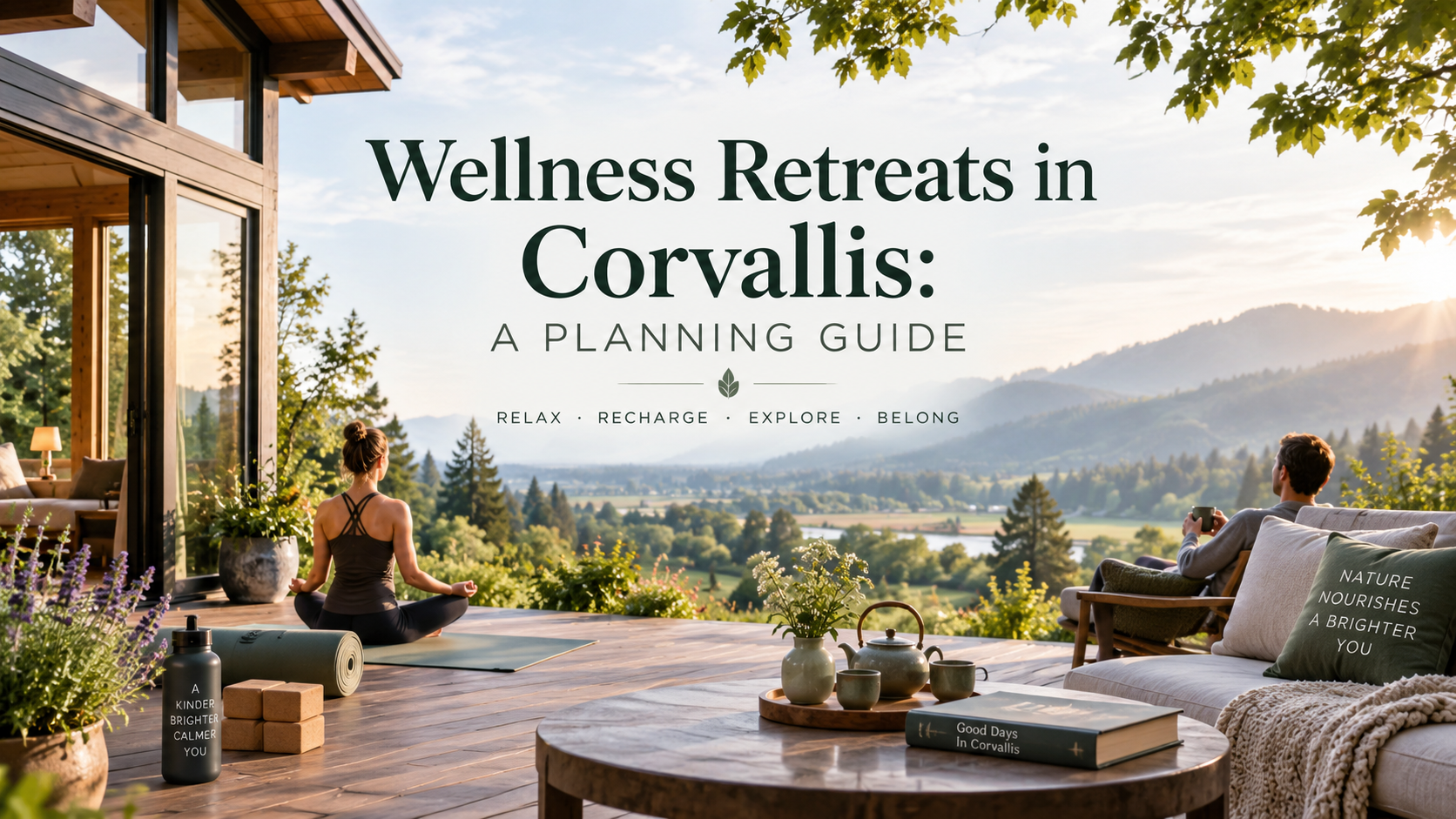
A restorative getaway does not have to revolve around a packed schedule or an all-inclusive resort. Sometimes the best retreat experience comes from having a comfortable private home, access to nature, good food, and enough open space in the schedule to actually slow down.
That balance makes this part of Oregon especially appealing for couples, friends, multigenerational families, and small groups planning time away together. Forested trails, riverfront paths, wineries, farms, local restaurants, and quiet residential areas make it possible to combine outdoor recreation with intentional downtime.
For groups that want room to gather without sacrificing privacy, a luxury vacation rental in Corvallis, Oregon can become the center of the entire trip. Instead of moving between hotel rooms and common spaces, everyone has a shared place for meals, conversation, relaxation, and unstructured time.
Why a Wellness Retreat Works Well in the Willamette Valley
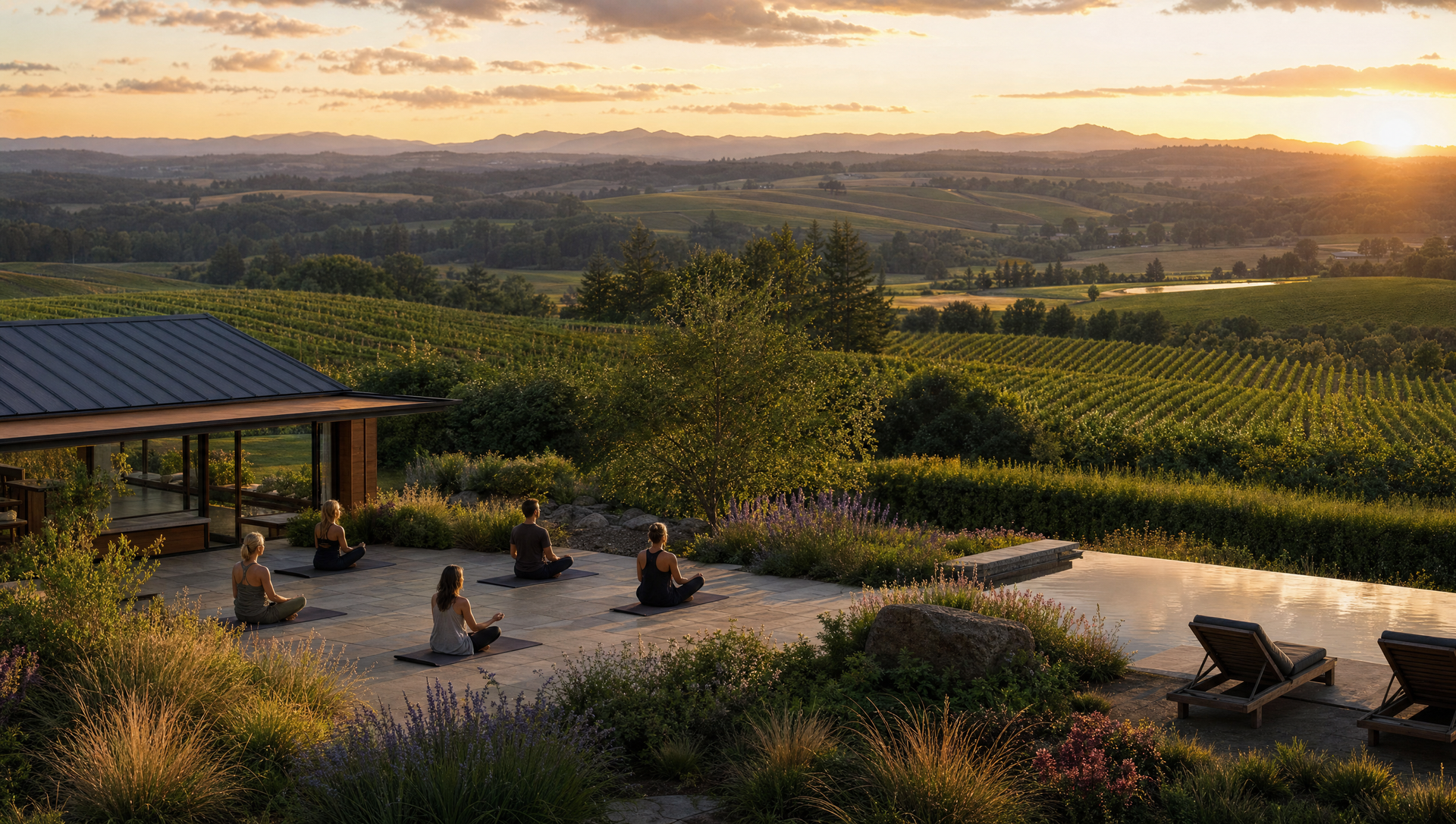
The Willamette Valley naturally supports a slower pace of travel. A retreat here can include forest walks, riverside mornings, relaxed meals, bodywork, and evenings spent together at the house, rather than constantly driving between attractions.
Nature is one of the biggest advantages. The city manages more than 2,000 acres of parks, trails, open spaces, and recreation areas, giving groups plenty of options for low-intensity movement and time outside.
Bald Hill Natural Area is particularly useful for groups because its roughly five miles of dirt and gravel trails range from easy to more rigorous routes. The landscape includes oak savanna, prairie, forest, and wetland habitats, so a morning walk can feel like a meaningful part of the retreat instead of simply another activity.
The goal does not have to be an intensive fitness program. A successful wellness retreat can simply give people permission to move more slowly, spend more time outside, eat well, sleep longer, and reconnect without an overly structured itinerary.
Start With the Right Home Base
Accommodation can shape the trip's entire atmosphere. Traditional hotel rooms work well for some travelers, but private vacation homes often make more sense when the goal is to spend meaningful time together.
Look for a property with several comfortable gathering areas. A large kitchen makes shared breakfasts and dinners easier, while outdoor seating can create a natural setting for coffee, conversation, reading, or evening reflection.
Bedrooms also matter. Even on group retreats, people usually benefit from having somewhere private to decompress. A house that combines communal spaces with separate sleeping areas can keep the trip social without feeling crowded.
If you are organizing a longer stay, consider how the home functions over a full week, not just overnight. Laundry facilities, kitchen storage, parking, outdoor areas, comfortable seating, and reliable Wi-Fi can matter more than you think.
A private home also gives the group control over the daily rhythm. Breakfast doesn't need to end at a set time, a meditation session can happen in the living room, and dinner can stretch into a relaxed evening without anyone feeling rushed back to separate rooms.
For property owners interested in creating this type of guest experience, professional Luxury Airbnb Management Services can help align a home's operations, hospitality standards, and guest experience with the expectations of larger or higher-end travel groups.
Build Your Retreat Around Nature, Fitness and Outdoor Recreation
A restorative itinerary should include enough activity to energize guests without turning every day into an endurance challenge.
Willamette Park and Natural Area is a strong option for an easy outdoor morning. At 287 acres, it is the city's largest park and includes open meadows, river views, a multimodal pathway, and multiple hiking and jogging trails.
Avery Park offers another gentler option. Its one-mile walking and jogging trail follows part of the Marys River area, while the park's gardens and natural spaces create opportunities for slower walks between scheduled activities.
Groups that want elevated views can consider Chip Ross Park and Natural Area. Its approximately 1.5-mile trail travels through oak woodland and upland prairie, with views toward the Willamette Valley, Coast Range, and Cascade Mountains.
These outings can be incorporated without dominating the day. A two-hour morning adventure, followed by lunch and several unscheduled hours, may better support the retreat's overall purpose than filling every available time slot.
For more ideas beyond the retreat schedule, the guide to the Best Things To Do in Corvallis, Oregon can help groups find additional attractions and experiences that fit different interests.
Allison Spa: Add Spa, Massage, and Restorative Bodywork
Physical restoration can be one of the most anticipated parts of a wellness getaway. Instead of scheduling treatments every day, consider one dedicated spa afternoon or let guests choose individual appointments during a block of free time.
A massage can work particularly well after hiking or a longer travel day. Groups may also want to explore other restorative services offered locally, depending on availability and individual preferences.
When booking spa services for several people, contact providers early. Appointment capacity can be more limited for larger groups, especially when everyone wants similar treatment times.
You can also bring a softer movement component into the house. One guided yoga session, breathwork practice, stretching class, or embodied movement workshop can provide structure without making participants feel like they are attending a strict fitness camp.
For a movement retreat or similarly specialized gathering, check instructor availability before finalizing the accommodation. Some practitioners may travel to private properties, while others may require the group to visit a dedicated studio or retreat center.
The goal is not to schedule every type of healing service available. Choose one or two elements that support the group's purpose and leave enough open space for genuine rest.
Create a Balanced Daily Rhythm
One of the easiest mistakes when organizing retreats is planning too much.
A relaxing schedule usually works better when each day has one primary experience rather than several competing activities. For example, reserve the morning for a nature walk, then follow with lunch and a free afternoon. Another day might center on bodywork, local food, or a scenic drive.
A simple rhythm could look like this:
- Morning: Coffee, breakfast, stretching, or quiet personal time
- Late morning: Trail walk or another outdoor activity
- Midday: Lunch and downtime
- Afternoon: Massage, spa appointment, reading, or independent exploration
- Evening: Shared dinner followed by conversation, games, journaling, or relaxation
Optional participation also matters. Not everyone wants the same level of activity, especially in a multigenerational group.
Giving guests permission to skip an outing can make the entire experience more comfortable. Someone may prefer staying at the house with a book while others hike, and that can still fit perfectly within the purpose of the trip.
Keep scheduled events limited enough that spontaneous plans remain possible. Some of the most memorable retreat moments happen between the official activities.
Plan Food and Shared Time Around the Group
Meals can become an anchor of the getaway.
A private kitchen makes it easy to keep breakfast flexible. Guests can wake up at different times, make coffee, prepare simple meals, and settle into the morning without needing everyone ready for the same reservation.
Lunch can remain similarly casual. Sandwiches, salads, local produce, snacks, and prepared foods are often easier than organizing a restaurant meal in the middle of every day.
Then make dinner more intentional. One evening might include a reservation at a local restaurant, while another could involve cooking together at the rental. Bringing in a private chef may also make sense for groups celebrating a milestone or organizing a more curated retreat.
Discuss dietary preferences before arrival. Asking about allergies, vegetarian or vegan needs, alcohol preferences, caffeine, and snacks can prevent unnecessary grocery runs later.
Shared meals also create space for conversation. Unlike personal development workshops or tightly facilitated sessions, sitting around a table together gives people time to connect naturally.
A Three-Day Restorative Weekend Itinerary
A long wellness weekend is often enough to create separation from normal routines without requiring an extended vacation.
Day One: Arrival and Decompression
Keep the first afternoon simple. Check in, unpack, explore the property, and allow everyone to settle in.
Plan an easy dinner at the house or nearby. Avoid scheduling a major event immediately after arrival, especially when guests have traveled from different locations.
The evening can end with conversation, light stretching, or time outside if the property offers a patio, deck, or yard.
Day Two: Nature and Restoration
Start with a relaxed breakfast before heading to Bald Hill, Willamette Park, or another nearby natural area.
Return for lunch, then enjoy several hours of downtime. This is a good window for a spa treatment, massage appointment, nap, reading, or independent exploration.
Bring everyone together again for dinner. If the group prefers a structured evening, consider guided reflection, meditation, or a simple conversation around shared goals and experiences.
Day Three: Slow Morning and Local Exploration
Keep the final morning flexible. Some guests may want another short walk, while others may prefer coffee and conversation at the house.
After checkout, add one final local experience instead of ending the trip immediately. A relaxed lunch, scenic drive, market visit, or river walk can make departure feel less abrupt.
If the retreat extends beyond three days, alternate active days with quieter ones rather than adding more activities just because you have more time.
Frequently Asked Questions
How many days should a wellness retreat last?
Three nights works well for many groups because it creates enough time for an arrival day, a full restorative day, and additional activities before departure. Four or five nights can work better for guests traveling longer distances or groups that want more unscheduled time.
What should we include in a retreat itinerary?
Focus on a few complementary elements such as nature walks, shared meals, bodywork, mindful movement, and downtime. Avoid scheduling every hour. The strongest itinerary often combines one planned experience with several hours of flexibility each day.
Is a private vacation home better than a hotel for a group retreat?
It depends on the group, but a vacation home offers several advantages when participants want to spend time together. Kitchens, living rooms, dining areas, and outdoor spaces can become shared gathering places while separate bedrooms provide privacy.
What outdoor activities work well for a restorative trip?
Walking, light hiking, cycling, birdwatching, riverfront exploration, and nature photography can all fit. The area's network of parks and multi-use trails offers options for different mobility and activity levels. Visit Corvallis highlights hiking, biking, birdwatching, fishing, kayaking, and other outdoor recreation throughout the area.
How far in advance should a group retreat be planned?
For a small group, starting several months ahead usually provides more flexibility with accommodations, dining reservations, instructors, and treatment appointments. Larger groups or trips tied to seasonal events should generally begin planning earlier, particularly if everyone needs to stay together in one property.
A well-designed retreat does not require a complicated schedule. The combination of nature, comfortable accommodations, thoughtful meals, restorative activities, and unstructured time can be enough to create a meaningful reset.
The key is to build the trip around how the group actually wants to feel when they leave: rested, connected, energized, and glad they didn't spend the entire getaway rushing from one reservation to another.
Share to social media
More posts