Average Airbnb Income in Bradenton, FL: 2026 Data, Revenue Ranges & What Actually Drives Earnings

By Published
Elliott Caldwell is the Co-Founder & CEO of Home Team Luxury Rentals and a founding partner of Rise Collective, helping short-term rental investors scale with clarity, systems, and performance.

Average Airbnb Income in Bradenton, FL


The average Airbnb income in Bradenton, Florida, typically falls between $30,000 and $50,000 per year, with most properties earning around $40,000 annually, depending on location, size, and amenities.


This range reflects a combination of industry datasets, including $29,400 average annual revenue (AirDNA), ~$40,316 (AirROI), and ~$49,901 (Rabbu), which together establish a consistent market baseline.


In practical terms, this means Bradenton is not a fixed-income market — it’s a range-driven market where performance varies widely depending on how the property is positioned.


Click To Paste

What Do Airbnb Hosts Earn Monthly in Bradenton?


On a monthly basis, most Airbnb properties in Bradenton generate between $3,000 and $4,500 per month, with stronger properties exceeding this range during peak travel seasons.


Seasonality plays a major role. According to ~$4,158 average monthly revenue (Rabbu), peak months like March can produce significantly higher income, while slower months in late summer and early fall may drop closer to $2,000.

This uneven distribution of revenue is one of the defining characteristics of the Bradenton market.


Key Airbnb Metrics in Bradenton (ADR, Occupancy, RevPAR)


The reason income varies so widely comes down to a few core performance metrics:


  • Average Daily Rate (ADR): $260–$312 per night
  • Occupancy Rate: ~43%–59% annually
  • RevPAR: ~$141 average


These numbers show that Airbnb revenue in Bradenton is driven by a balance of pricing and occupancy—not just one or the other.


In simple terms: Higher nightly rates can compensate for lower occupancy, and vice versa.


Why Airbnb Income Varies So Much in Bradenton


Bradenton is best described as a high-spread market, meaning two properties in the same city can produce dramatically different results.


Across datasets, revenue differences are driven by:


  • Property size
  • Proximity to beaches
  • Amenities like pools or waterfront access
  • Listing quality and pricing strategy


This explains why some sources report ~$30K while others show ~$50K+—they are measuring different segments of the same market.


Airbnb Income by Property Size (1BR to 5+ Bedroom Homes)


One of the most important drivers of revenue in Bradenton is property size.


Typical performance tiers include:


  • 1-bedroom: ~$21,000 annually
  • 2-bedroom: $30,000–$36,000 annually
  • 3-bedroom: $45,000–$52,000 annually
  • 4-bedroom: $55,000–$60,000 annually
  • 5+ bedroom: $70,000–$100,000+ annually


This progression highlights a key insight: revenue increases faster than occupancy declines as properties get larger.


How Location Impacts Airbnb Revenue (Beach vs Inland)


Location is one of the strongest revenue multipliers in the Bradenton market.


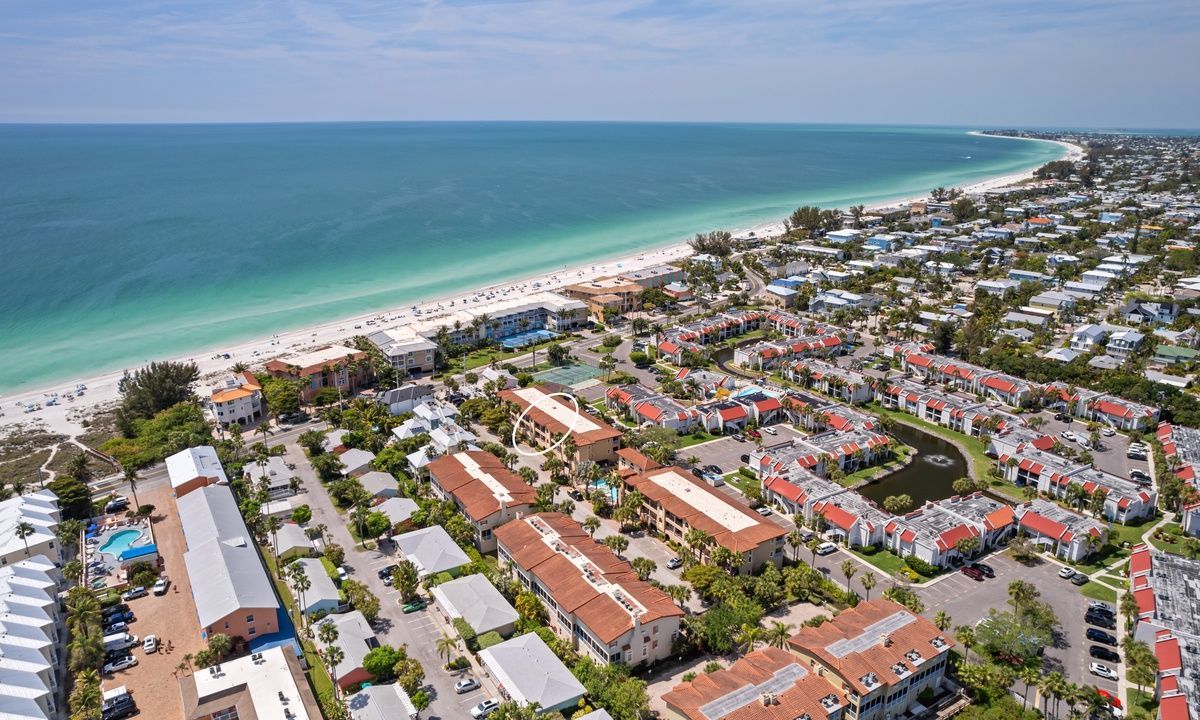
Properties closer to the coast—especially near Anna Maria Island and Bradenton Beach—consistently outperform inland homes.


For example:


  • Inland Bradenton: ~$30K–$50K typical
  • Coastal submarkets: $90K–$105K+ average revenue


This “coastal premium” exists because:


  • Beach proximity increases demand
  • Guests are willing to pay higher nightly rates
  • Inventory is more limited near the water


When Is Airbnb Most Profitable in Bradenton? (Seasonality)


Bradenton’s Airbnb market is highly seasonal.


Peak performance occurs during:


  • February through April (snowbird + spring break demand)


The strongest month is typically:


  • March, with revenue exceeding $8,000 in many cases


The slowest period is:


  • September through October


Data shows a 4–5x revenue difference between peak and low months.


This seasonality is a major reason why annual averages appear moderate—even though peak months can be very strong.


Why Bradenton Has Strong Airbnb Demand (Tourism Drivers)


Bradenton’s Airbnb performance is ultimately driven by tourism.


The area benefits from:


  • More than 2 million annual visitors to Manatee County (Florida DEP)
  • 685,100 visitors between June and September alone (The Islander)
  • Strong beach, fishing, and outdoor recreation demand


Vacation rental performance data also shows:


  • ~58.6% occupancy for vacation rentals (tourism report)
  • ~$403 average daily rate in tourism reporting (The Islander)


These demand drivers explain:


  • Why occupancy remains stable
  • Why beach areas command higher pricing
  • Why larger homes perform well for group travel


Is Airbnb Profitable in Bradenton, FL?


Airbnb can be profitable in Bradenton — but profitability depends heavily on property selection and execution.

With median home prices around:


  • $327,998–$388,267 (Zillow)


And the average Airbnb income is around:


  • ~$40,000 annually


The market offers a moderate yield profile compared to other Florida destinations.


Bradenton is best suited for:


  • Mid-range investors seeking stable demand
  • Operators who can optimize pricing and amenities
  • Buyers targeting coastal or high-demand submarkets


What Factors Increase Airbnb Income in Bradenton?


The highest-performing properties in Bradenton tend to share several characteristics:


  • Private pools (especially heated pools)
  • Waterfront or canal access
  • 3–5+ bedroom capacity
  • Strong listing design and photography
  • Dynamic pricing strategies


In this market, amenities are not just upgrades—they are revenue multipliers.


Are Short-Term Rentals Allowed in Bradenton?


Short-term rentals are allowed in Bradenton and Manatee County, but they are subject to regulations.


Operators should expect:


  • Registration or licensing requirements
  • Compliance with local zoning and occupancy rules
  • State-level vacation rental licensing


These requirements are typical of Florida short-term rental markets and should be verified before investing.


Conclusion: Why Average Airbnb Income Doesn’t Tell the Full Story


Bradenton’s Airbnb data gives you a starting point — but it doesn’t define your outcome.


Think about it this way: if four people in a room are 27, 29, 37, and 41, the average age is 33.5 — but no one in that room is actually 33. The number exists, but it doesn’t represent a real-world result.


That’s exactly how Airbnb income works in Bradenton.


The “average” of ~$40,000 is useful for context — but it doesn’t reflect what a properly positioned property can do. Some homes sit at $30K. Others push past $70K — or even $100K+ in the right conditions.


The difference isn’t the market — it’s the decisions behind the asset.


  • Choosing the right location (coastal vs inland)
  • Designing for demand (pool, outdoor living, group capacity)
  • Targeting the right guest profile
  • Executing pricing and seasonality correctly


When you look at the market this way, averages stop being a ceiling — and start becoming a baseline reference.

At Home Team Luxury Rentals, we don’t build strategies around the average property. We study the top-performing properties — the ones driving the highest ADR, the strongest seasonal performance, and the best guest experiences — and reverse-engineer what makes them work.


👉 Explore our Airbnb management in Bradenton page to book a discovery call to see how we help you move beyond average performance and into the top tier of your market.


In a market like Bradenton, success isn’t about where the average sits — it’s about how close you can get to the top.

Frequently Asked Questions

What is the average Airbnb occupancy rate in Bradenton?


Most data sources place occupancy between ~43% and 59% annually.


What is the average daily rate for Airbnb in Bradenton?


ADR typically ranges from $260 to $312 per night

.

How much do top Airbnb properties make in Bradenton?


Top-tier properties—especially large or waterfront homes—can exceed $90,000 to $100,000+ annually.


Is Bradenton a good Airbnb market?


Bradenton offers a balanced market with strong tourism demand, moderate home prices, and clear opportunities for optimized properties to outperform.


Share to social media

More posts

Best Airbnb Property Managers in Bradenton, FL
By Elliott Caldwell April 23, 2026
Find the best Airbnb property managers in Bradenton, FL based on your investment goals. Compare luxury, full-service, and ROI-focused management strategies.
Family-friendly activities in Palm Springs, CA with palm trees and people in a sunny resort setting
By Menandro Bacalangco Jr. April 23, 2026
Best Family-Friendly Activities in Palm Springs, CA: Top Things to Do with Kids
Hiker overlooking Palm Springs desert cityscape with title text “Best Hiking Trails in Palm Springs, CA”
By Menandro Bacalangco Jr. April 22, 2026
Discover the best hiking trails in Palm Springs, CA! Explore Tahquitz Canyon, Indian Canyons, San Jacinto, Joshua Tree, and scenic desert hikes for all levels.
By Elliott Caldwell April 21, 2026
What Are the Best Areas for Airbnb in Bradenton, Florida?
Is Airbnb profitable in Bradenton, Florida?
By Elliott Caldwell April 21, 2026
Is Airbnb profitable in Bradenton, Florida? Learn average revenue, occupancy rates, seasonality, and how investors maximize returns.
By Elliott Caldwell April 17, 2026
Airbnb Management vs Self-Managing: Which Is More Profitable? Airbnb management vs self-managing is ultimately a decision about performance, not just cost. Most comparisons focus on management fees, control, or convenience. But for property owners and investors, the real question is simpler: Which approach produces more revenue—and better long-term returns? Because in short-term rentals, profitability is not determined by who does the work. It’s determined by how well the work is executed across pricing, occupancy, and guest experience. Why This Comparison Matters More Than Most Owners Realize At a glance, self-managing appears more profitable because it avoids management fees. But this assumption ignores how revenue is actually generated in the short-term rental market. Performance is driven by a small set of variables that compound over time: Nightly pricing strategy (ADR) Occupancy rate across seasons Listing conversion rate Guest experience and reviews Market positioning against competing listings What’s often overlooked is how sensitive these variables are to execution. According to the academic study Research on the Impact of Dynamic Pricing on Revenue Based on Airbnb Data , dynamic pricing strategies can increase annual income by approximately 30% compared to static pricing models . This reinforces a core principle: execution—especially pricing—directly impacts revenue outcomes . Real-world operator data shows that dynamic pricing systems typically increase revenue by 10% to 40% annually , along with measurable improvements in RevPAR and booking performance. At the individual booking level, pricing strategy becomes even more impactful. Data from PriceLabs shows that peak demand pricing adjustments can increase nightly rates by 50% to 200% , capturing value that static pricing models miss entirely. In other words, two nearly identical properties can produce very different results depending on how they are managed. What Is Self-Managing an Airbnb? Self-managing an Airbnb means the property owner is responsible for every aspect of the operation—from pricing to guest communication to maintenance. This is not just hosting. It is running a full hospitality business. Core responsibilities of self-managing include: Setting and adjusting nightly pricing Managing calendars and booking settings Communicating with guests before, during, and after stays Coordinating cleaning and maintenance Optimizing the listing (photos, amenities, descriptions) Monitoring reviews and responding to feedback Self-managing gives full control over decisions and operations. However, it also requires consistent time, attention, and market awareness. What matters most is not whether these tasks are completed, but how consistently and effectively they are executed over time. In practice, many self-managed properties rely on static or infrequently updated pricing. Pricing strategies that actively adjust based on demand, booking pace, and occupancy trends can significantly improve both nightly rates and booking volume, but require consistent monitoring and adjustment. What Is Airbnb Property Management? Airbnb property management involves hiring a professional company to handle the day-to-day operation and optimization of a short-term rental. This typically includes both operational execution and revenue strategy. Core responsibilities of Airbnb management include: Dynamic pricing based on demand, seasonality, and booking pace Listing optimization across platforms (Airbnb, Vrbo, Booking.com) Guest communication and support Cleaning coordination and quality control Performance tracking and reporting Ongoing adjustments based on market data Professional managers operate within a fundamentally different framework. Dynamic pricing systems continuously adjust rates based on supply and demand conditions , allowing operators to increase prices when demand is high and lower them strategically when demand softens. This allows operators to increase prices when demand is high and lower them strategically when demand softens—maximizing both occupancy and revenue. More advanced systems go even further. Operators like AvantStay identify dozens of micro-season demand windows throughout the year—short periods where pricing can be adjusted to capture incremental revenue that traditional seasonal pricing models overlook. The goal is not just to maintain the property, but to continuously optimize performance. Airbnb Management vs Self-Managing: The Real Difference At a surface level, both approaches involve the same core activities: Pricing the property Managing bookings Maintaining the guest experience Optimizing the listing But the real difference is not the tasks—it is the consistency, speed, and quality of execution. Self-managing relies on the owner’s time, experience, and ability to adapt Airbnb management relies on systems, automation, and continuous optimization This distinction matters because short-term rental performance is highly sensitive to small changes. For example, pricing strategies that actively balance demand have been shown to increase occupancy while also increasing revenue. Data from PriceLabs indicates that optimized pricing can produce ~11% higher occupancy alongside revenue gains , highlighting how these variables work together—not independently. Over time, these incremental improvements compound into significantly higher annual returns. Why Most Comparisons Get This Wrong Airbnb management vs self-managing is often framed as a simple cost decision: Self-managing = no management fees Management = 10–30% of revenue But this overlooks the most important factor: Revenue is not fixed—it is variable based on performance. What many owners fail to consider: How pricing strategy affects nightly rates How listing optimization impacts conversion How demand timing influences occupancy How their property compares to top-performing listings nearby From a foundational standpoint, dynamic pricing exists to align supply and demand in real time. As outlined by Harvard Business School, businesses that adjust pricing dynamically can optimize both utilization and profitability simultaneously. In short-term rentals, this means: Lower prices strategically to maintain occupancy during slow periods Increase prices aggressively when demand spikes Capture revenue across dozens of micro-demand windows throughout the year A property that executes this well can generate significantly more revenue—even after accounting for management fees. What This Article Will Help You Understand This guide breaks down Airbnb management vs self-managing from a performance perspective—not just a cost comparison. In the sections that follow, we’ll cover: The pros and cons of each approach How Airbnb revenue is actually generated Real-world revenue scenarios and comparisons Where self-managing tends to fall short When professional management becomes more profitable The goal is to give you a clear framework for making a decision based on outcomes—not assumptions. Bottom Line Airbnb management vs self-managing is not simply about who does the work—it is about how effectively the work is done. The same property, in the same market, can produce very different results depending on how it is managed. The difference is not the model—it is the execution behind it. Frequently Asked Questions