

Best Time to Visit Arizona: A Seasonal Travel Guide for Every Adventure
By: Menandro Bacalangco Jr.
Best Time to Visit Arizona | Seasonal Travel Guide & Weather Tips
Arizona is a destination you can visit year-round, but the best time to visit depends on what you want to experience. From hiking among Sedona's iconic red rocks and exploring the Grand Canyon to escaping the summer heat in the White Mountains, every season offers something unique.
Whether you're planning a scenic road trip, an outdoor adventure, or a relaxing desert getaway, understanding Arizona's weather and seasonal activities will help you make the most of your
Arizona vacation. This guide also complements any
Arizona tourism planning by helping you choose the right season for your itinerary.
Spring (March to May): The Best Overall Time to Visit Arizona
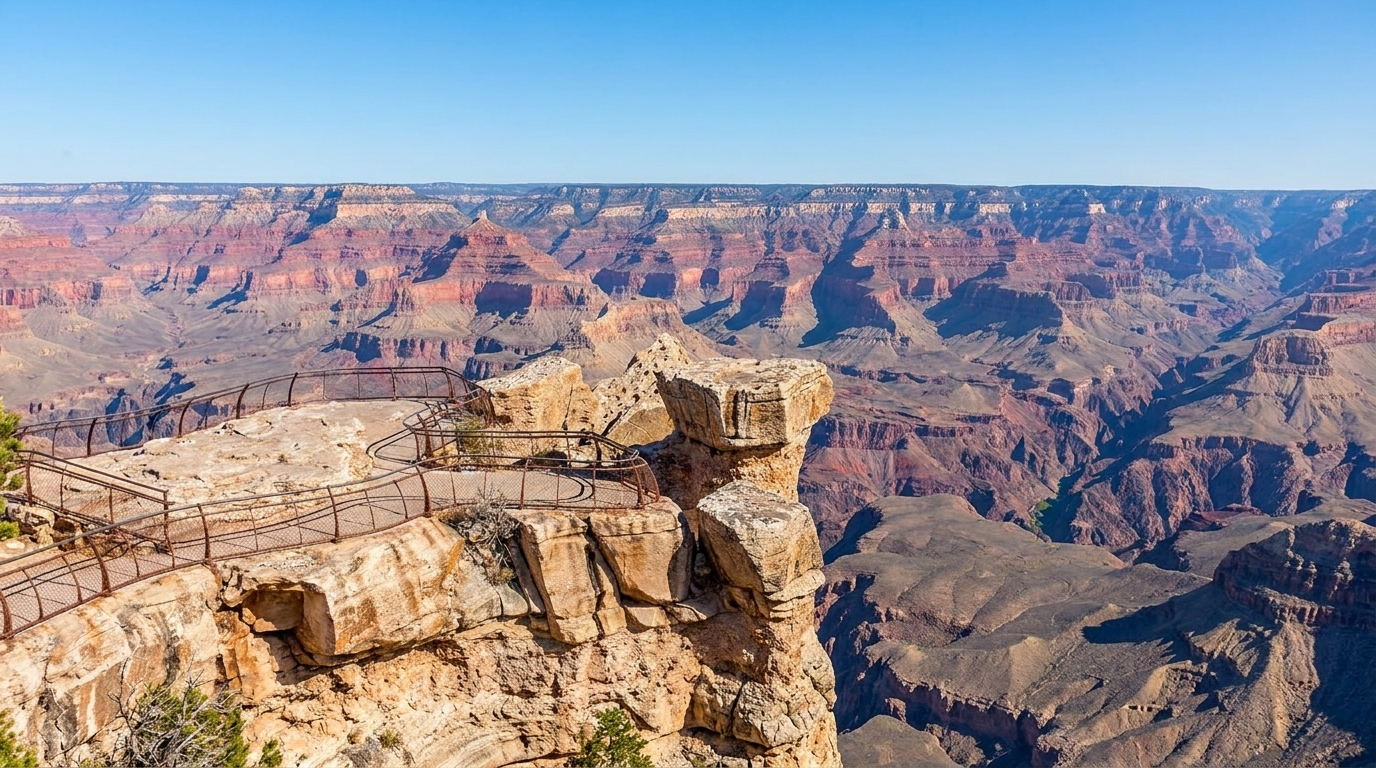
Spring is widely considered the best time to visit Arizona. Temperatures are comfortable throughout much of the state, wildflowers bloom across the desert, and popular attractions are perfect for outdoor exploration. It's also one of the best places to visit in Arizona if your goal is to enjoy blooming desert landscapes, scenic hiking trails, and comfortable temperatures across the state.
Why Visit During Spring?
- Pleasant temperatures ranging from 65°F to 85°F
- Desert wildflowers create colorful landscapes
- Ideal weather for hiking and sightseeing
- Comfortable conditions for road trips
- Lower temperatures before summer heat arrives
Best Places to Visit
- Grand Canyon National Park
- Sedona
- Saguaro National Park
- Phoenix
- Scottsdale
- Prescott
Best Activities
- Hiking scenic trails
- Jeep tours
- Photography
- Scenic drives
- Golf
- Desert botanical gardens
Spring is also one of the busiest travel seasons, so it's wise to reserve accommodations well in advance.
Summer (June to August): Escape to Arizona's High Country
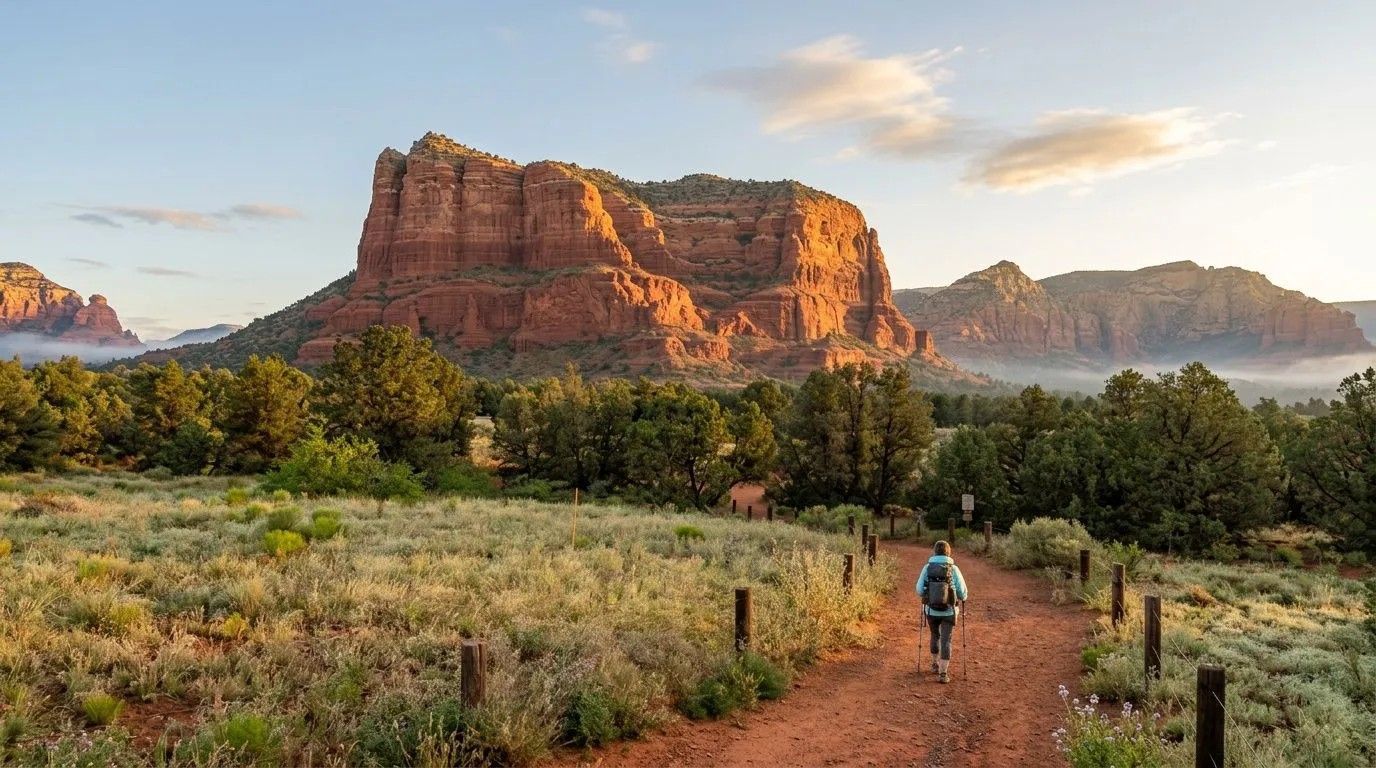
Summer in Arizona is famous for its intense desert heat. Cities like Phoenix and Tucson frequently exceed 100°F, making midday outdoor activities challenging.
Fortunately, Arizona's higher elevations offer much cooler temperatures. From kayaking alpine lakes to exploring pine forests, summer opens up a variety of things to do in Arizona beyond the state's famous desert destinations.
Why Visit During Summer?
- Fewer tourists at many attractions
- Lower hotel rates in desert cities
- Pleasant mountain weather
- Great time for lakes and forests
Best Places to Visit
- Flagstaff
- Payson
- Show Low
- Pinetop-Lakeside
- Greer
- White Mountains
Best Activities
- Camping
- Fishing
- Mountain biking
- Forest hiking
- Paddleboarding
- Kayaking
If visiting lower elevations, plan outdoor adventures early in the morning and stay hydrated throughout the day.
Fall (September to November): Perfect Weather Returns
Fall brings cooler temperatures back to Arizona, making it another excellent season for travelers. Crowds are generally lighter than spring while the weather remains comfortable.
Why Visit During Fall?
- Mild daytime temperatures
- Beautiful fall colors in northern Arizona
- Excellent hiking conditions
- Comfortable sightseeing weather
Best Places to Visit
- Sedona
- Grand Canyon
- Oak Creek Canyon
- Flagstaff
- Prescott
- Jerome
Best Activities
- Scenic drives
- Hiking
- Wine tasting
- Photography
- ATV tours
- Historic town visits
Autumn offers an ideal balance of pleasant weather and manageable crowds. It's also one of the best seasons for experiential travel in Arizona, with opportunities to enjoy local wineries, historic towns, scenic drives, and outdoor adventures at a relaxed pace.
Winter (December to February): Snow or Sunshine—Your Choice
One of Arizona's biggest surprises is its diverse winter climate. While Phoenix and Tucson enjoy mild, sunny weather, northern Arizona transforms into a snowy wonderland.
Southern Arizona
Average temperatures range from 60°F to 75°F, making it an excellent destination for visitors escaping colder climates.
Northern Arizona
Expect snowfall in places like:
- Flagstaff
- Williams
- Greer
- Sunrise Park Resort
Best Winter Activities
- Skiing
- Snowboarding
- Snowshoeing
- Desert hiking
- Golf
- Holiday festivals
Winter is an especially popular season for snowbirds seeking warm weather in southern Arizona. Visitors looking for luxury travel in Arizona can enjoy upscale desert resorts, spa retreats, championship golf courses, and premium vacation rentals while escaping colder climates.
Best Time to Visit Arizona by Activity
Hiking
The best months for hiking are:
- March
- April
- October
- November
Comfortable temperatures make exploring trails much more enjoyable.
Grand Canyon
The South Rim is beautiful throughout the year.
Best seasons include:
- Spring
- Fall
Summer offers longer daylight hours but also larger crowds.
Winter provides peaceful scenery and occasional snowfall.
Road Trips
Arizona's scenic highways are best explored during:
- Spring
- Fall
Popular routes include:
- Red Rock Scenic Byway
- Apache Trail
- Historic Route 66
- Coronado Trail
Photography
Photographers often prefer:
- Spring for blooming cacti and wildflowers
- Fall for golden foliage
- Winter for snow-covered landscapes
- Sunrise and sunset throughout the year
Arizona's changing seasons provide incredible lighting and diverse scenery.
Outdoor Adventures
The ideal seasons for outdoor recreation are:
- Spring
- Fall
Popular adventures include:
- Rock climbing
- Off-road Jeep tours
- Horseback riding
- River rafting
- Hot air balloon rides
- Wildlife viewing
Arizona Weather by Region
| Region | Spring | Summer | Fall | Winter |
|---|---|---|---|---|
| Phoenix & Scottsdale | Warm | Very Hot | Pleasant | Mild |
| Tucson | Warm | Hot | Comfortable | Mild |
| Sedona | Comfortable | Warm | Pleasant | Cool |
| Flagstaff | Cool | Mild | Crisp | Snowy |
| Grand Canyon South Rim | Cool | Pleasant | Cool | Cold |
Arizona's varying elevations create dramatically different climates, allowing visitors to experience deserts, forests, mountains, and even snow—all within one state.
Tips for Visiting Arizona Any Time of Year
Stay Hydrated
Arizona's dry climate can cause dehydration quickly, especially during outdoor activities.
Wear Sun Protection
Bring sunscreen, sunglasses, and a wide-brimmed hat regardless of the season.
Dress in Layers
Morning and evening temperatures can vary significantly, particularly in spring and fall.
Check the Weather
Northern Arizona can experience sudden weather changes, while desert regions may receive seasonal monsoon storms during summer.
Book Early During Peak Seasons
Spring and fall are the most popular times to visit, so accommodations and tours often sell out well in advance.
High Season vs. Shoulder Season in Arizona
Knowing whether you're traveling during Arizona's high season or shoulder season can help you plan around crowds, pricing, and weather.
High Season (March to May)
Spring is Arizona's busiest time of year thanks to its mild temperatures and excellent hiking conditions. Popular destinations like Phoenix, Sedona, Scottsdale, and the Grand Canyon attract visitors from around the world, so hotels and attractions often book up early. If you're planning a spring vacation, making reservations several months in advance is recommended.
Shoulder Season (September to November)
Fall is considered Arizona's shoulder season, offering pleasant weather with fewer crowds than spring. October is especially popular because temperatures become comfortable again, making it an excellent month for hiking, scenic drives, and exploring national parks. Travelers can often find better availability while still enjoying ideal outdoor conditions.
Final Thoughts
The best time to visit Arizona ultimately depends on the experiences you're looking for. Spring and fall offer the most comfortable weather for hiking, sightseeing, and exploring iconic destinations like the Grand Canyon and Sedona. Summer is perfect for escaping to cooler mountain towns, while winter lets travelers experience both sunny desert landscapes and snowy alpine adventures in the same trip.
Whether you're planning a short getaway or a longer vacation, Arizona offers unforgettable experiences in every season. If you're looking for exceptional vacation rentals or luxury Airbnb management solutions in Arizona, choosing professionally managed accommodations can help make your stay even more comfortable and memorable.
Frequently Asked Questions
Share to social media
More posts