
Destination-Driven Stays: How Location Shapes the Luxury Experience

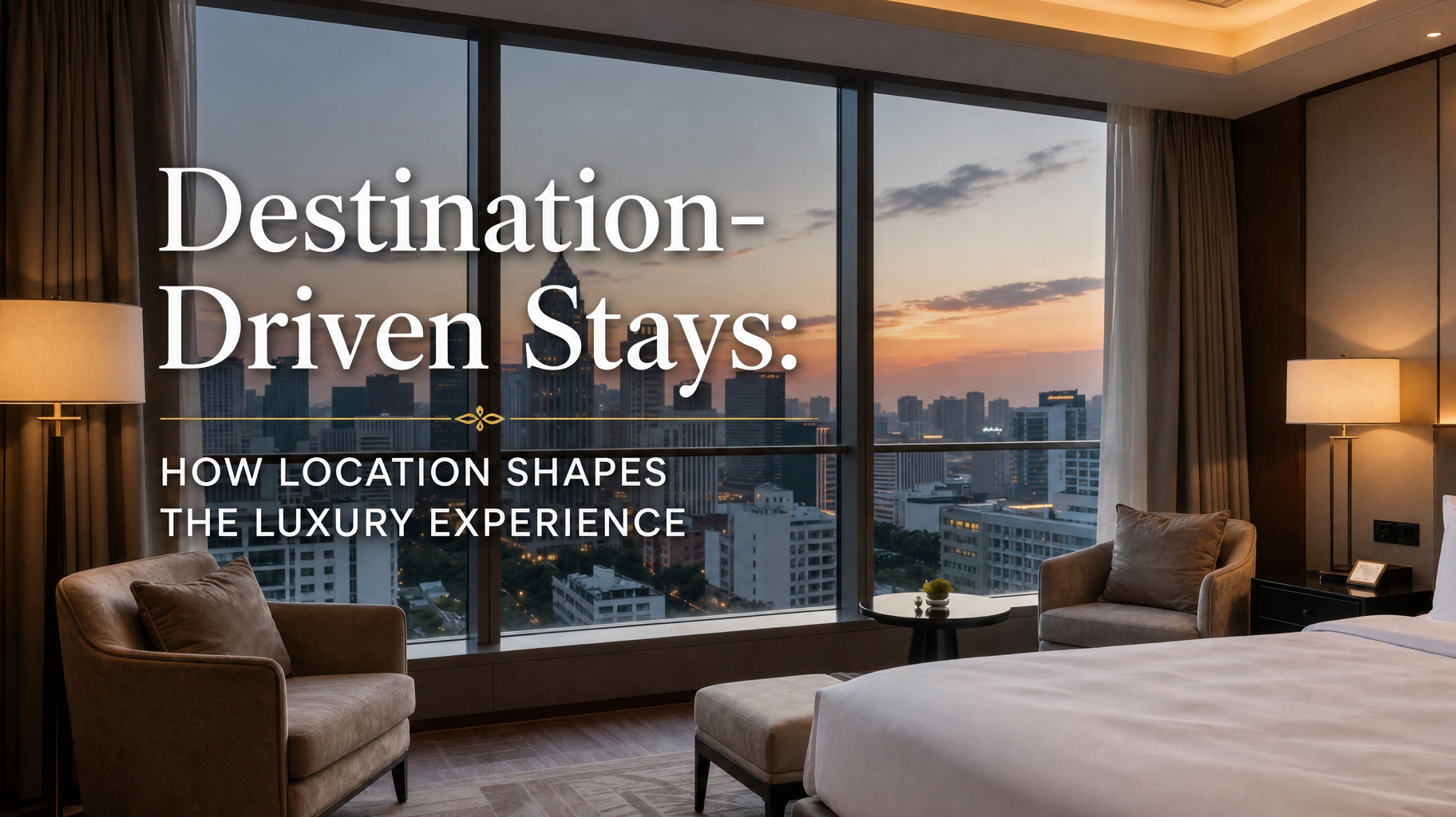
When you think about a luxury stay, what comes to mind? Gourmet kitchens? Spa-inspired bathrooms? Designer interiors? For years, luxury hospitality was largely defined by what existed inside the property itself. But modern luxury traveler expectations have evolved beyond visible luxury alone. Today, many travelers care just as much about how connected they feel to a destination, how immersive the experience becomes, and how memorable the stay feels long after checkout.
Recent industry research shows affluent travelers beginning to prioritize authentic, immersive, and destination-specific experiences over standardized luxury. According to Deloitte’s Future of Luxury Travel report, travelers are seeking “rare,” “authentic,” and highly personalized stays that connect them more deeply with the places they visit. The report also notes growing demand for unique destinations and meaningful local engagement.
This shift is one reason destination-driven hospitality has become such an important part of modern luxury hospitality strategy. The location itself shapes the emotional experience of a stay. Rather than functioning as a backdrop, the destination becomes part of the hospitality experience itself through local culture, architecture, wellness traditions, outdoor recreation, food, scenery, and place-based immersive experiences.
Key Takeaways
- Luxury travel is increasingly defined by the destination, not just the amenities within a property.
- Embracing local culture and offering authentic experiences makes a stay more memorable and valuable.
- Design that reflects the locale and unique, location-inspired amenities deepen the guest's connection to the place.
- Understanding traveler motivations for seeking specific destinations is key to tailoring the luxury experience.
- Effective marketing and operational strategies that highlight unique location advantages are crucial for Destination-Driven Hospitality.
Embracing Luxury Hyperlocal Stay, Experiences and Destinations
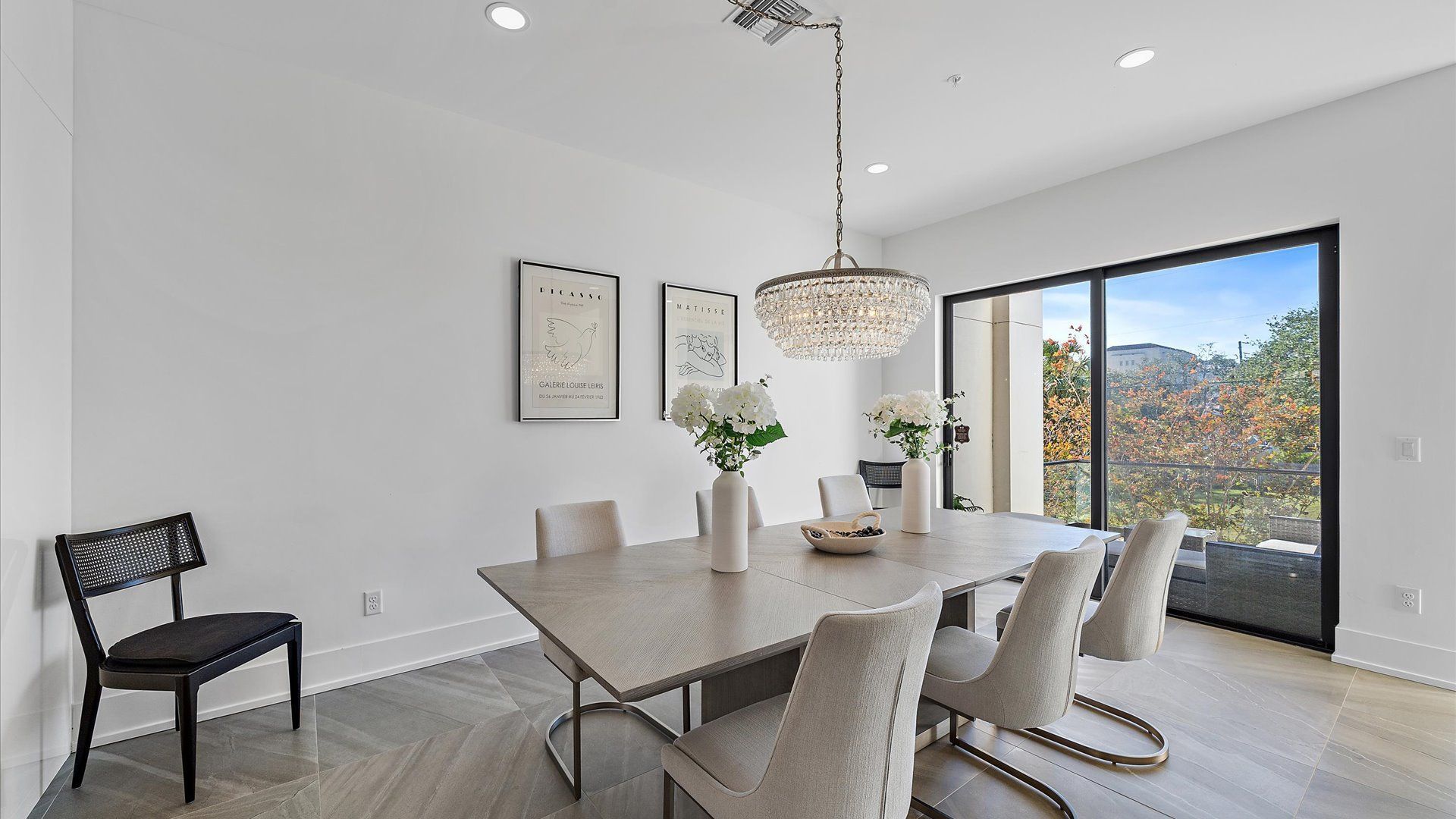
The Allure of Neighborhood Identity
Luxury travel is increasingly shaped by the identity of the destination itself. Travelers want stays that feel rooted in place, not interchangeable across cities.
- Guests prefer accommodations that reflect local culture
- Generic luxury is losing appeal
- Neighborhood character strongly influences experience
- Local history and architecture create emotional connection
- Immersion is now valued over uniform luxury
A 2025 study by Preferred Hotels & Resorts found many affluent travelers avoid overly generic hotels.
Overall, luxury hospitality is shifting from standardization to authenticity. Guests now expect a strong sense of place that connects them to the environment, not separates them from it.
Walkability as a Luxury Amenity
Luxury is no longer confined to the property itself. Walkability has become a key part of the experience.
- Easy access to cafes, parks, and shops adds value
- Guests prefer exploring without transportation
- Spontaneous discovery enhances connection to place
- Vibrant neighborhoods are more desirable
Walkability now functions as a form of modern luxury, turning the surrounding area into part of the stay.
Immersive Destination Immersion
This overlap between place-based immersion and experiential hospitality has become a defining part of modern luxury hospitality design. Guests want to feel like locals, not tourists. This can include curated walking tours, local partnerships, or simple neighborhood guides highlighting hidden gems. It can also involve experiences like cooking classes with local chefs.
Key immersion elements include:
- Local shops and artisan markets
- Authentic eateries and regional food spots
- Cultural hubs like museums and galleries
- Parks and natural gathering spaces
When a property is deeply connected to its surroundings, it becomes a gateway to authentic experiences rather than just accommodation.
Curating Authentic Local Culture
Luxury travel is about more than just fancy amenities; it's about a genuine connection to a place. This shift toward cultural immersion has become one of the defining trends in modern luxury hospitality. A recent report highlighted by The Times of India explains that today’s luxury travelers are seeking authentic experiences tied to local heritage, cuisine, traditions, and community engagement rather than traditional displays of opulence alone.
Showcasing Unique Cultural Offerings
Luxury properties can highlight local identity through curated cultural access such as museum partnerships, artisan studio visits, or guided nature experiences.
This transforms a stay into a deeper cultural journey.
Integrating Local Artisans and Flavors
Local integration enhances authenticity and guest experience:
- Local art displayed throughout properties
- Regional food and beverages in offerings
- Menus inspired by local cuisine
- Collaboration with local chefs and producers
This supports communities while enriching guest experience.
Destination-Driven Design and Amenities
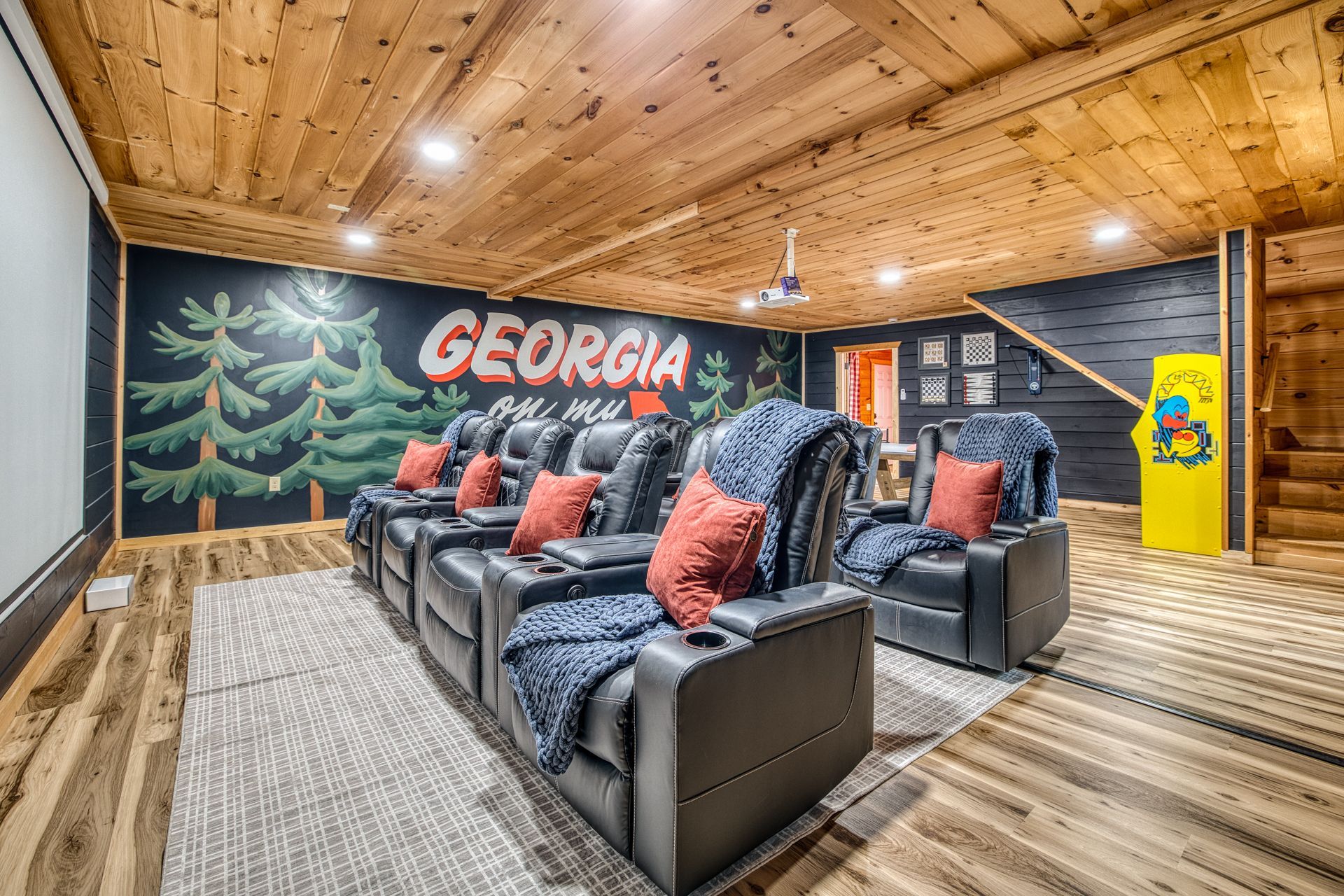
Luxury design should reflect its environment. The goal is to make properties feel naturally connected to their surroundings.
Architecture Reflecting the Locale
Design should align with local context:
- Use of regional materials like stone or wood
- Architectural styles inspired by local tradition
- Structures that blend into the landscape
The goal is harmony with place, not imitation.
Amenities Inspired by Surroundings
This also overlaps with the rise of outdoor living, where patios, scenic gathering spaces, fire pits, soaking tubs, and nature-connected environments become part of the hospitality experience itself.
- Beach gear for coastal areas
- Hiking tools for mountain regions
- Kayaks, bikes, or binoculars for exploration
These features turn location into an active part of the experience.
The Psychology of Destination-Driven Stays
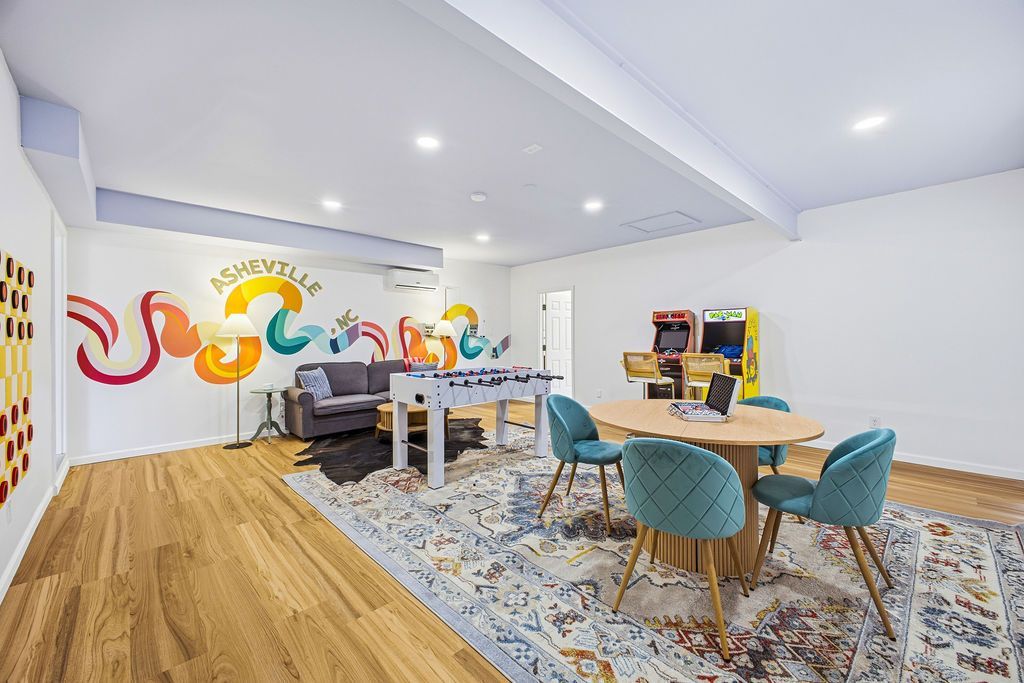
Connecting Emotionally with Location
Travelers don’t just book spaces—they book emotional experiences.
Industry analysts at TravelPulse note that affluent travelers increasingly seek wellness, immersion, and emotional connection through travel.
Connecting Emotionally with Location
A destination becomes part of the memory. A beach house is not just a property—it’s the sound of waves and the feeling of the coast.
This emotional connection is what makes stays memorable.
Understanding Traveler Motivations for Place
Travel motivations vary:
- Escape and relaxation
- Exploration and discovery
- Connection and belonging
- Status and exclusivity
Understanding these helps tailor the guest experience.
Enhancing Guest Satisfaction Through Context
When accommodations reflect their environment, satisfaction increases. A forest cabin that blends into nature or a city stay reflecting local art creates a stronger sense of authenticity.
Strategic Positioning for Destination-Driven Hospitality
Highlighting Unique Location Advantages
Successful hospitality brands emphasize what makes their location unique—nature, culture, food, or history. This becomes a key booking driver.
Marketing the Destination Experience
Marketing should sell the full experience, not just the property. According to the Classic Vacations 2026 Luxury Travel Trends Report, travelers now prefer immersive, meaningful, and personalized journeys.
Effective strategies include:
- Visual storytelling through photos and video
- Local partnerships for guest perks
- Destination-focused content creation
- Targeted travel advertising
The goal is to let guests experience the destination before arrival.
Building Brand Authority Through Local Expertise
Brands gain trust by becoming local experts:
- Staff trained in local knowledge
- Curated guest recommendations
- Community involvement
- Destination-focused content hubs
Maximizing Value Through Location Intelligence
Leveraging Tourism Demand Data
Understanding demand patterns helps optimize performance. Timing and location alignment improve bookings and revenue.
Adapting to Seasonal Travel Patterns
Different destinations peak at different times. Strategies must adjust based on seasonality, demand cycles, and local climate.
Optimizing Pricing Based on Destination Appeal
Pricing should reflect location value, demand, and timing. Data-driven pricing ensures competitiveness while maximizing profitability.
Understanding where to be is super important for getting the most out of your business. It's like picking the best spot on the playground! Knowing the right location can help you connect with more customers and make your business shine. Want to learn how to pick the perfect spot for your needs? Visit our website today to find out more!
More Than Just a Place to Stay
Luxury travel is no longer defined only by interiors or amenities. The destination itself shapes the experience.
Whether it’s a city, mountain, or coastal retreat, location influences how guests feel, explore, and remember their stay. The most successful luxury properties today are those that fully embrace their surroundings.
Destination-Driven Hospitality and Luxury Airbnb Management
At Home Team Luxury Rentals, destination-driven hospitality plays a major role in how we approach luxury Airbnb and vacation rental management across the United States. We understand that modern luxury traveler expectations are no longer shaped solely by the property itself. Travelers choose stays based on the atmosphere, the surrounding environment, emotional experience, and the connection to place that a destination creates.
This is one reason our hospitality approach focuses not only on property performance, but also on how each home aligns with its surrounding market.
A mountain retreat in Bend creates a very different hospitality experience than a wellness-oriented stay in Scottsdale or a coastal vacation rental along the Gulf Coast. The most successful luxury vacation rentals often feel deeply connected to the destination itself rather than interchangeable from one market to another.
Our approach to luxury Airbnb management incorporates:
- destination-focused hospitality strategy
- experiential guest experience design
- luxury amenity positioning
- outdoor living optimization
- wellness-oriented hospitality trends
- immersive guest experience planning
- market-specific positioning
As luxury travel continues evolving toward immersive and experience-driven hospitality, destination alignment has become one of the defining factors shaping both guest satisfaction and long-term vacation rental performance.
Frequently Asked Questions
What does 'destination-driven' mean for a luxury stay?
It means the place you're staying in is a big part of the luxury experience. Instead of just a nice room, the hotel or rental uses its location to offer unique things, like special tours, local food, or amazing views. The whole idea is to make your trip special because of where you are.
How does being able to walk around affect a luxury stay?
When you can easily walk to shops, restaurants, and sights, it makes your trip feel more relaxed and convenient. It's a luxury because you don't have to worry about taxis or driving. You can explore the area at your own pace and really get a feel for the neighborhood.
Why is local culture important in luxury travel?
Luxury travelers often want to experience something real and unique, not just the typical tourist stuff. Learning about local art, tasting local food, or going to local events makes the trip more memorable and gives you a deeper connection to the place you're visiting.
How can a building's design make a stay feel more luxurious and connected to its location?
When a building looks like it belongs in its surroundings, maybe using local materials or reflecting the area's style, it creates a special feeling. The design can remind you where you are and make the whole experience feel more special and authentic.
What's the point of marketing a luxury stay based on its location?
Marketing a stay by highlighting its location helps attract travelers who are looking for specific experiences. It tells them what makes that place special, like its history, natural beauty, or unique activities, so they know they'll get a memorable trip.
How does knowing about travel trends help luxury places offer better stays?
By understanding when people like to travel to certain places and what they look for, luxury accommodations can get ready. They can offer the right amenities, adjust prices, and plan special events to make sure guests have the best possible experience, especially during busy or quiet times.
How does location shape the luxury experience?
Location influences everything from the atmosphere and views to dining, activities, and cultural experiences. A private villa near the beach creates a very different stay than a luxury retreat in the mountains or a boutique property in the center of a vibrant city.
What makes destination-driven hospitality different from traditional luxury travel?
Traditional luxury travel often focused primarily on amenities inside the property. Destination-driven hospitality places greater emphasis on the surrounding environment, local community, authentic experiences, and the overall connection between guests and the destination.
Share to social media
More posts