
Experiential Hospitality: Designing Stays that Create Lasting Memories

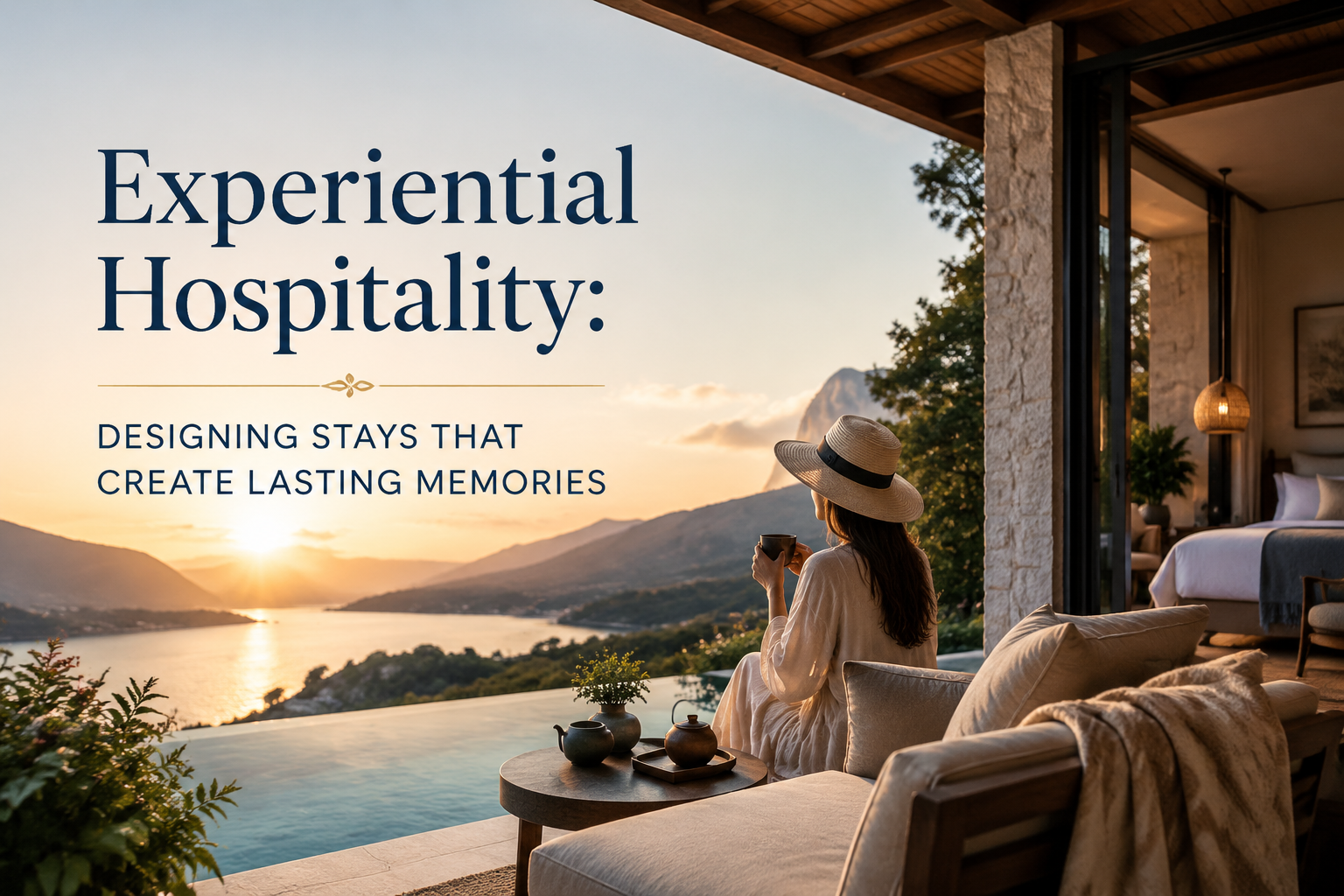
Modern travelers want more than simply a place to sleep when they travel. Many guests now look for experiences that feel immersive, emotionally memorable, restorative, personalized, and deeply connected to the destination itself. These shifts are helping reshape modern luxury traveler expectations, where guests often evaluate hospitality experiences based not only on visible luxury but also on emotional connection, atmosphere, wellness, privacy, and the overall quality of the experience itself.
This is where experiential hospitality has become one of the defining concepts within modern hospitality and luxury vacation rental design. Rather than focusing solely on accommodations, experiential hospitality centers around how a stay makes guests feel both during and after the trip itself. The goal is no longer simply providing lodging — it is creating immersive environments, meaningful moments, and memorable experiences that guests continue thinking about long after checkout.
Key Takeaways
- Experiential hospitality focuses on creating emotionally memorable stays that prioritize immersion, personalization, wellness, and meaningful guest experiences over standardized accommodations.
- Modern luxury travelers increasingly value privacy, exclusivity, emotional connection, and hyperlocal experiences that feel authentic to the destination itself.
- Destinations play a major role in experiential hospitality, with mountain, coastal, desert, wellness, and culture-driven markets naturally supporting immersive travel experiences.
- Thoughtful architecture, sensory design, outdoor living spaces, and curated amenities help transform accommodations into memorable, experience-driven environments.
- Personalized hospitality — from tailored recommendations to customized guest experiences — helps create stronger emotional connections and long-term guest loyalty.
- Memory-driven hospitality often centers around small but meaningful moments, including wellness experiences, local immersion, restorative environments, and intentional gathering spaces.
- Seamless convenience, smart hospitality technology, and frictionless guest experiences increasingly shape modern expectations for luxury and experiential travel.
- As travelers increasingly prioritize experiences over material luxury, experiential hospitality continues to emerge as one of the fastest-growing strategies in modern hospitality and tourism.
Why Experiential Hospitality Is Growing
Experiential hospitality is growing because modern travelers increasingly value meaningful experiences over standardized accommodations. Instead of simply looking for a place to stay, many guests now prioritize emotional connection, local immersion, wellness, personalization, and memorable moments that feel unique to the destination.
This shift is reshaping both the luxury travel industry and the broader hospitality market. Research from DataIntelo estimates the global experiential travel market reached approximately $2.49 trillion in 2025 and could grow to nearly $4.89 trillion by 2034. Wellness tourism alone surpassed $1 trillion in 2025 and continues to expand rapidly as travelers increasingly prioritize restorative and experience-driven travel.
Several major trends are fueling this movement:
- Travelers increasingly value experiences over material luxury
- Wellness-focused travel continues to grow globally
- Younger travelers prioritize authenticity and local culture
- Social media encourages visually distinctive and memorable stays
- Personalized travel experiences are becoming expected rather than optional
- Luxury travelers increasingly seek privacy, exclusivity, and immersion
Millennials and Gen Z travelers are helping accelerate this shift. Surveys show many younger travelers prioritize cultural immersion, educational experiences, wellness travel, and highly personalized itineraries over traditional luxury amenities alone.
Experiential hospitality also aligns with the rise of the “experience economy,” where consumers place greater value on memorable moments, emotional resonance, and identity-driven travel. Rather than competing solely on square footage or amenities, hotels and vacation rentals increasingly compete on how a stay makes guests feel.
As a result, experiential hospitality has evolved from a niche luxury concept into one of the fastest-growing strategies within modern hospitality and tourism.
What Defines Experiential Hospitality?
Experiential hospitality focuses on creating emotionally memorable stays that connect guests to a destination, a lifestyle, or a feeling rather than simply providing accommodations. While traditional hospitality often centers on comfort and convenience alone, experiential hospitality emphasizes immersion, personalization, and emotional resonance.
At its core, experiential hospitality blends thoughtful design, curated experiences, and intentional service to create stays guests remember long after checkout.
Several elements commonly define experiential hospitality:
Emotional Design
Experiential properties are intentionally designed to shape how guests feel during their stay. Lighting, textures, architecture, scents, music, outdoor spaces, and room layouts all contribute to creating a specific emotional atmosphere.
Hyperlocal Immersion & Immersive Experiences
Many experiential stays connect guests to the surrounding destination through local culture, food, art, outdoor recreation, wellness traditions, or regional experiences. This helps travelers feel immersed in the location rather than isolated from it.
Personalized Guest Experiences
Modern travelers increasingly expect experiences tailored to their preferences. Personalized welcome touches, curated itineraries, wellness offerings, flexible experiences, and guest-specific recommendations all contribute to more memorable stays.
Memory-Driven Hospitality
Experiential hospitality prioritizes moments guests will remember and share. Firepit gatherings, scenic soaking tubs, sunrise yoga sessions, chef-curated welcome experiences, or locally inspired design details often create stronger long-term memories than traditional luxury amenities alone.
Privacy and Exclusivity
Many luxury travelers increasingly prioritize privacy, seclusion, and uninterrupted experiences. Private outdoor spaces, contactless check-ins, discreet service, and secluded accommodations all contribute to the modern experiential luxury model.
Wellness and Restoration
Wellness has become deeply connected to experiential travel. Nature immersion, restorative environments, spa experiences, fitness offerings, mindfulness activities, and slower-paced travel experiences increasingly influence how travelers evaluate hospitality experiences.
Together, these elements help transform a stay from transactional lodging into a more immersive, emotionally engaging, and memorable experience.
Crafting Immersive Experiential Hospitality
The Essence of Experiential Luxury
True luxury hospitality isn't just about how things look—it's about what guests feel while staying. A memorable luxury stay is the sum of thoughtful environments, authentic touches, and moments crafted with intent. Travelers expect more than plush bedding and high-tech amenities. They also crave spaces that surprise, comfort, and create a sense of belonging, even if only for a weekend.
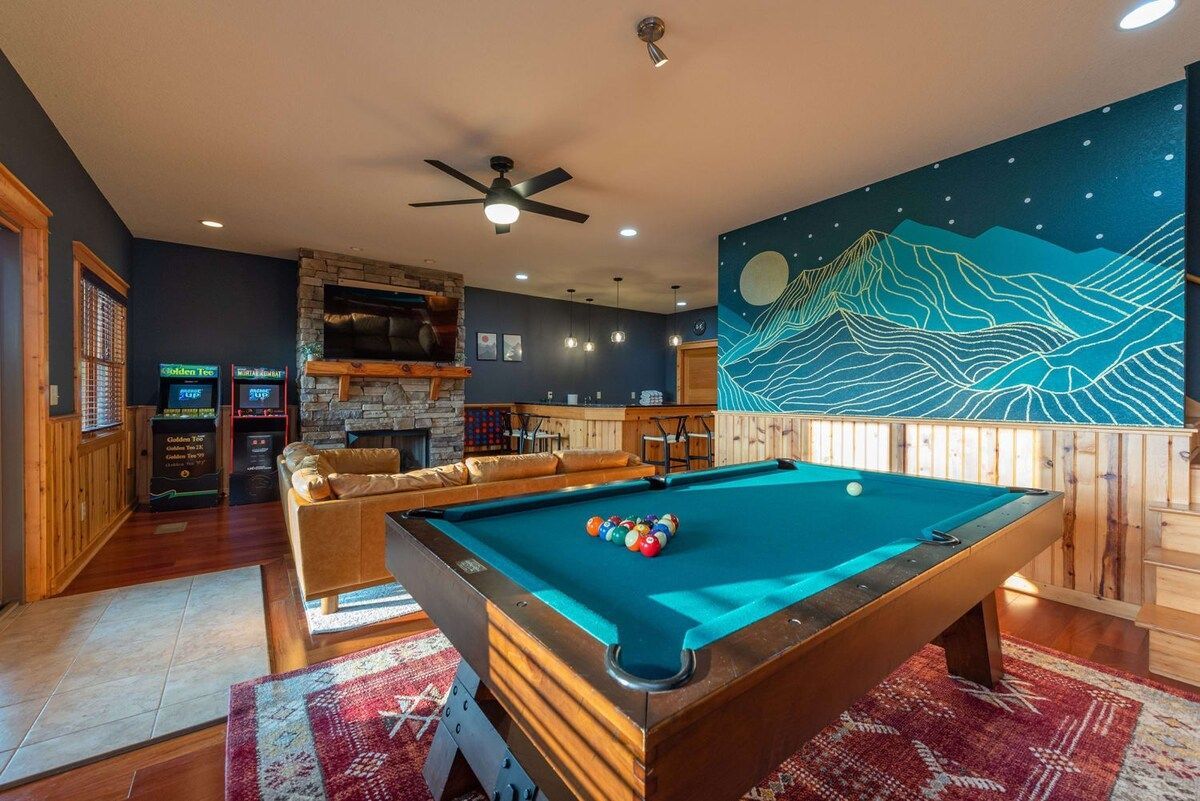
- Spaces are designed to spark joy and encourage connection, whether that’s over a classic game in a lounge or coffee in a sunlit kitchen.
- Thoughtful details, like personalized welcome notes or a tailored playlist, can mean more than expensive fixtures.
- A property’s unique story, from its art to its architecture, builds a lasting connection between place and guest.
With these elements in place, luxury becomes much more than a price tag—it becomes a lasting memory that shapes how guests share their story later.
Designing for Emotional Connection
Crafting emotional ties starts by understanding why people travel. Authentic hospitality notices how design and service influence mood. Instead of sterile, one-size-fits-all settings, experiential stays lean into warmth, variety, and opportunities for real interaction.
- Living rooms arranged for togetherness, not isolation
- Curated local snacks or drink pairings, making arrivals feel personal
- Staff or hosts who remember preferences and anticipate needs
This approach makes every guest feel seen—which turns even routine moments into something special. If you're planning to invest in this type of guest experience, it's smart to work with vacation rental managers who focus on details and guest satisfaction, like Home Team Luxury Rentals.
When design and hospitality connect emotionally, guests are far more likely to remember a property, share their experience, and return. That’s the secret sauce for long-term success.
Memory-Driven Travel Experiences
People remember how a stay made them feel long after they forget thread counts or wine selections. Memory-driven travel is about creating those small, striking details that stick. Here are a few proven ways to make that happen:
- Offer unexpected moments—maybe a handwritten itinerary with hidden local gems
- Encourage guests to slow down: a firepit for stories, games for laughter, or a backyard sunset for reflection
- Build in flexibility: optional excursions, custom spa setups, or even just extra time for late check-outs
Guests often build traditions around these experiences, coming back year after year just for the memories you’ve helped create. You’re not just offering a vacation rental—you’re helping people collect moments worth talking about long after the trip ends.
Understanding the Psychology of Luxury Travelers
Luxury travelers aren't just looking for a place to stay; they're seeking experiences that align with their aspirations and values. Understanding what truly motivates them is key to designing stays that they'll remember long after they've checked out. It's about tapping into their desires for comfort, exclusivity, and unique moments.
The Essence of Experiential Luxury
Experiential luxury goes beyond just high-end finishes and fancy amenities. It's about crafting a narrative and providing opportunities for guests to create their own stories. Think about what makes a trip truly special – it's often the unexpected moments, the feeling of discovery, and the connection to a place or activity. For these travelers, luxury is defined by the quality of the experience, not just the price tag.
- Emotional Resonance: Creating moments that evoke positive feelings and lasting memories.
- Authenticity: Offering genuine experiences that reflect the local culture and environment.
- Personalization: Tailoring the stay to individual preferences and desires.
- Exclusivity: Providing access to unique opportunities or spaces not available to the general public.
These elements combine to create a sense of value that transcends the material. It’s about the feeling of being understood and catered to on a deeper level. When guests feel this connection, they are more likely to return and recommend the property to others.
Designing for Emotional Connection
Building an emotional connection means designing every touchpoint of the guest journey with intention. From the initial booking inquiry to the final farewell, each interaction should reinforce the feeling of being valued and cared for. This involves anticipating needs, offering thoughtful surprises, and creating an atmosphere of genuine hospitality.
Consider these aspects:
- Sensory Engagement: How can you appeal to sight, sound, smell, taste, and touch to create a more vivid experience? This might involve curated playlists, local artisanal treats, or high-quality linens.
- Storytelling: Weave a narrative around the property or the destination. What makes this place unique? What stories can guests uncover during their stay?
- Surprise and Delight: Small, unexpected gestures can have a big impact. This could be a personalized welcome note, a local delicacy waiting in the kitchen, or a recommendation for a hidden gem.
The most memorable stays are often those where guests feel a genuine sense of belonging, even if only for a short time. It's about creating a home away from home, but with an added layer of curated luxury and thoughtful service that makes it feel extraordinary.
Memory-Driven Travel Experiences
Ultimately, luxury travelers are investing in memories. They want their trips to be more than just a break; they want them to be experiences that enrich their lives and provide stories to share. This means focusing on elements that contribute to long-term recall.
Here’s how to design for memory creation:
- Highlighting Unique Activities: Offer access to experiences that are specific to the location, such as private cooking classes with a local chef, guided nature hikes, or exclusive access to cultural events. Explore curated vacation rentals that are designed for togetherness and lasting memories.
- Facilitating Connection: Create spaces and opportunities for guests to connect with each other, whether it's a family reunion or a romantic getaway. This could involve comfortable gathering areas or planned group activities.
- Capturing the Moment: While not intrusive, providing subtle opportunities for guests to capture their experiences can be beneficial. This might be a beautifully designed photo backdrop or simply a stunning view that begs to be photographed.
By understanding the psychological drivers behind luxury travel, we can move beyond simply providing accommodation and start creating truly unforgettable experiences that guests will cherish.
Designing for Privacy and Exclusivity
Modern luxury travel isn’t just about five-star touches or a fancy price tag. More than ever, those seeking high-end stays want real peace and freedom from the crowds—whether it’s a weekend retreat or a month-long escape. True exclusivity starts with knowing exactly what upscale guests want most: privacy, comfort, and experiences away from prying eyes.
What Affluent Travelers Value Most
For travelers at the luxury level, the search revolves around certain intangibles that can’t be replaced by standard amenities:
- Location Seclusion: Remote or gated properties, far from busy streets or other rentals.
- Controlled Access: Private entrances, keyless codes, or even on-site security.
- Personalized, Undisturbed Service: Staff that appears only when guests need them—no intrusive housekeeping, no interruptions.
These factors all add up to a sense of relaxation and security that’s hard to find in traditional hotels.
If you ask anyone who regularly books high-end rentals, what matters most isn’t just what’s inside the property—the real draw is stepping into a space where they can be themselves, unplug, and not worry about being watched or disturbed.
Creating Gated and Secluded Experiences
Here are steps property owners and managers can take to achieve that much-needed sense of privacy:
- Invest in Physical Barriers: Think hedges, discreet fencing, or natural landscaping to separate properties.
- Offer Private Amenities: Pools, hot tubs, gyms, and even driveways—reserved just for one set of guests.
- Limit Shared Spaces: Avoid anything communal unless it’s rented out as a whole.
- Adjust Staff Interactions: Train housekeeping and maintenance to respect guest space and schedules.
The more guests can control their environment, the more they’ll associate the stay with genuine luxury.
Privacy-First Hospitality Strategies
Implementing privacy isn’t only about bricks and landscaping. It’s a mindset—and it touches every part of the guest experience:
- Use discreet digital check-ins and check-outs. No lobby crowds or paperwork.
- Provide custom welcome packs with local recommendations, so guests don’t need to ask strangers for help.
- Build communication systems (via app or text) so guests reach out only if they want to.
| Strategy | Guest Benefit | Impact on Satisfaction |
|---|---|---|
| Digital Check-In | No waiting, zero contact | High |
| Private Amenities | Uninterrupted use, safety | Very High |
| On-Demand Housekeeping | No unwanted interruptions | Moderate to High |
There’s a growing trend: guests are paying premiums for privacy, not just plush sheets or marble bathrooms. Owners who lean in—by improving both physical and operational privacy—are often rewarded with better reviews, reliable repeat bookings, and strong word-of-mouth among an audience that values wordless trust above all else.
Leveraging Destination for Unique Stays
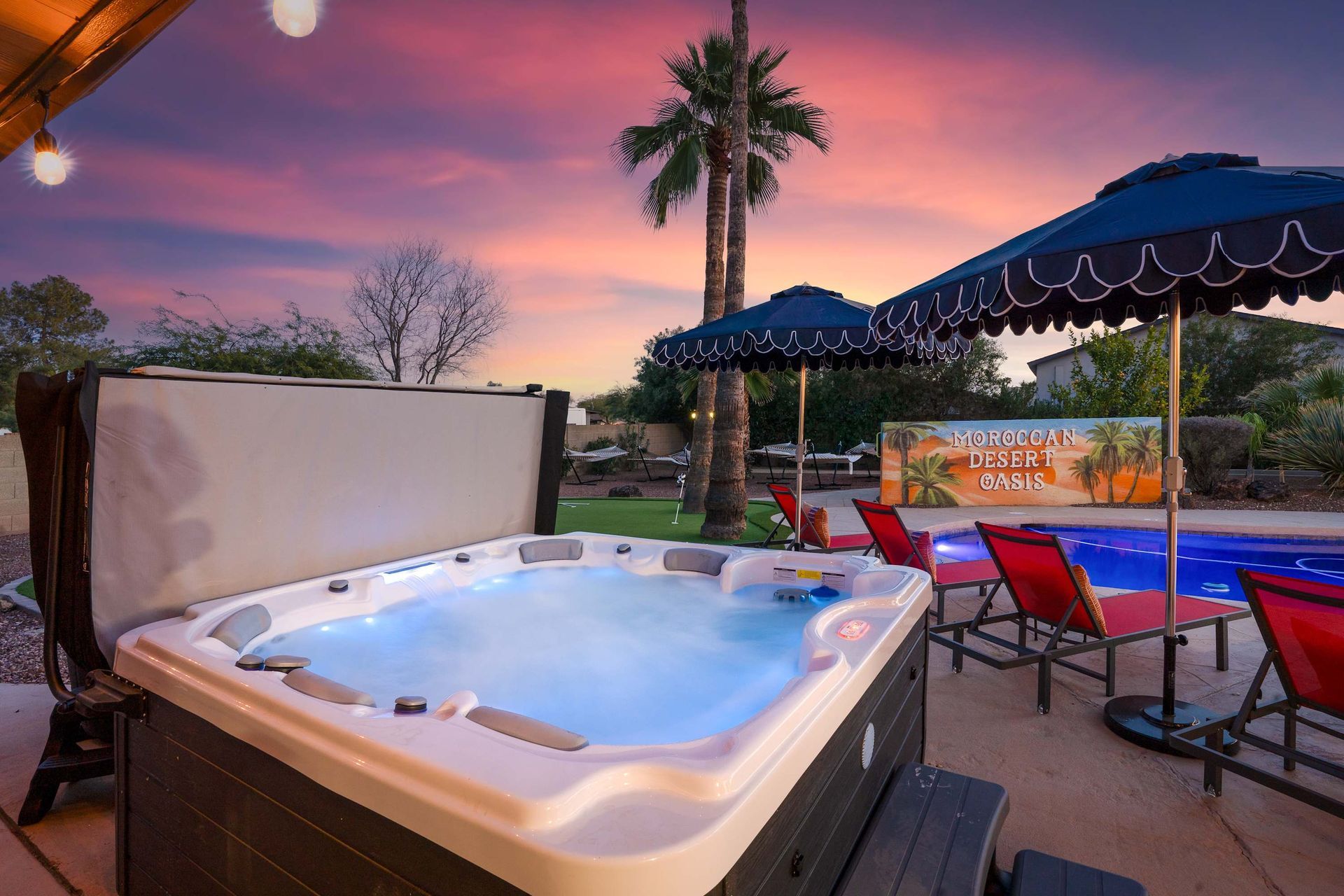
Think about it: a beautiful house is great, but a beautiful house in a place with character? That's something else entirely. The location isn't just a backdrop; it's a main character in the guest's story. When we talk about making stays memorable, we're really talking about weaving the destination into the fabric of the experience.
Hyperlocal Experiences and Cultural Immersion
Guests today aren't just looking for a place to sleep. They want to feel like they've truly experienced a place. This means going beyond the usual tourist spots. It's about connecting them with the real pulse of the area.
Here are some ways to bring the local flavor to your guests:
- Curated Local Guides: Instead of a generic pamphlet, offer a personalized guide to hidden gems – the best independent coffee shops, local artisan markets, or lesser-known historical sites.
- Partnerships with Local Businesses: Arrange for exclusive experiences, like a private tasting at a nearby vineyard, a cooking class with a local chef, or a guided tour of a unique neighborhood.
- In-Home Cultural Touches: Stock the pantry with local snacks and beverages, display art from local artists, or provide books and music that reflect the region's culture.
- Activity Planning Assistance: Help guests book tickets for local events, festivals, or performances happening during their stay.
The goal is to make guests feel like insiders, not just visitors.
When a property truly embraces its surroundings, it offers a richer, more authentic experience. This connection to the local environment can transform a simple stay into a deeply personal journey, creating memories that last long after checkout.
How Location Shapes the Luxury Experience
The environment around a property significantly influences how guests perceive its luxury. A stunning villa might feel even more special if it overlooks a dramatic coastline or is nestled in a serene, private forest. The views, the sounds, the very air you breathe – it all adds up.
Consider these factors:
- Views and Vistas: Whether it's a city skyline, a mountain range, or a tranquil lake, a captivating view is a powerful amenity.
- Proximity to Attractions: Being close to world-class dining, cultural landmarks, or natural wonders adds convenience and appeal.
- Atmosphere and Ambiance: A property in a quiet, exclusive neighborhood offers a different kind of luxury than one in a vibrant, bustling area. Understanding the desired mood is key.
Showcasing Neighborhood Identity
Every neighborhood has its own story and character. Highlighting this unique identity makes a stay feel more authentic and less generic. It's about celebrating what makes that specific spot special.
Think about:
- Architectural Style: Does the neighborhood have a distinct architectural heritage? Pointing this out can add a layer of appreciation.
- Local History: Sharing interesting historical facts or stories about the area can create a deeper connection.
- Community Vibe: Is it known for its art scene, its culinary offerings, or its family-friendly atmosphere? Tailor recommendations to match.
By focusing on the destination's unique traits, you create a stay that's not just comfortable but truly unforgettable.
Experiential Hospitality Destinations in the United States
Certain destinations naturally align with experiential hospitality because of their landscapes, wellness ecosystems, cultural identity, outdoor recreation access, or immersive travel experiences. As modern travelers increasingly prioritize memorable and emotionally engaging stays, many hospitality markets are evolving around experience-driven tourism rather than traditional accommodations alone.
These destinations often combine thoughtful hospitality design, restorative environments, local culture, outdoor adventure, wellness experiences, and slower-paced travel — all of which contribute to more immersive and memorable guest experiences.
Mountain and Nature-Based Hospitality Destinations
Mountain destinations have become strongly associated with experiential hospitality because they naturally support wellness travel, outdoor recreation, restorative environments, and immersive luxury stays connected to nature.
Several destinations in the United States are increasingly recognized for these types of travel experiences:
- Aspen, Colorado
- Jackson Hole, Wyoming
- Bend, Oregon
- Park City, Utah
- Whitefish, Montana
- Truckee, California
- Lake Tahoe, California and Nevada
These destinations commonly attract travelers seeking:
- Nature immersion
- Luxury outdoor hospitality
- Wellness-focused travel
- Adventure tourism
- Romantic mountain getaways
- Restorative travel experiences
Properties in these markets often emphasize scenic views, outdoor living spaces, wellness amenities, hiking access, ski culture, slower-paced travel experiences, and design-forward accommodations connected to the surrounding landscape.
Desert and Wellness Hospitality Destinations
Desert destinations have also become increasingly associated with experiential hospitality because of their connections to spa culture, wellness tourism, mindfulness travel, and restorative environments.
Several desert markets frequently associated with wellness-oriented hospitality include:
These destinations often emphasize:
- Spa and wellness experiences
- Mindfulness and restorative travel
- Nature-connected luxury hospitality
- Design-forward boutique accommodations
- Slower-paced and wellness-oriented experiences
Many experiential hospitality properties in these markets integrate outdoor soaking spaces, wellness programming, desert landscape design, meditation experiences, and architecture intended to create a stronger emotional connection between guests and the surrounding environment.
Coastal and Slow-Travel Destinations
Coastal destinations often align naturally with experiential hospitality because they encourage slower-paced travel, relaxation, sensory experiences, and destination immersion.
Several coastal markets known for experiential travel include:
- Cannon Beach, Oregon
- Carmel-by-the-Sea, California
- Malibu, California
- Nantucket, Massachusetts
- Charleston, South Carolina
These destinations frequently attract travelers seeking:
- Romantic getaways
- Wellness-focused escapes
- Culinary tourism
- Boutique hospitality experiences
- Design-forward accommodations
- Oceanfront relaxation and restorative travel
Experiential hospitality in coastal markets often emphasizes walkability, local culture, architecture, outdoor gathering spaces, wellness experiences, and strong connections to the surrounding environment.
Culture-Driven Experiential Hospitality Markets
Some urban and cultural destinations have also become increasingly associated with experiential hospitality because of their music scenes, culinary identity, local character, architecture, and immersive neighborhood experiences.
Several culture-driven hospitality destinations include:
- Austin, Texas
- Nashville, Tennessee
- Savannah, Georgia
- New Orleans, Louisiana
These destinations often attract travelers seeking:
- Culinary immersion
- Music and entertainment experiences
- Boutique hospitality
- Local cultural experiences
- Hyperlocal travel experiences
- Design-focused accommodations
In these markets, experiential hospitality frequently centers around storytelling, local partnerships, neighborhood identity, food culture, architecture, and immersive guest experiences that help travelers feel connected to the destination itself.
Why These Destinations Matter for Experiential Hospitality
As experiential hospitality continues to grow, destinations increasingly play a central role in shaping travelers' perceptions of luxury, wellness, immersion, and emotional connection during a stay.
Rather than separating accommodations from the destination itself, experiential hospitality often integrates local culture, landscapes, wellness traditions, architecture, food, recreation, and slower-paced travel into the overall guest experience.
This shift is one reason many boutique hotels, luxury vacation rentals, wellness retreats, and design-forward hospitality brands increasingly focus on creating destination-connected stays that feel emotionally memorable, immersive, and deeply tied to place.
Elevating Stays Through Design and Amenities
Architecture and Aesthetics in Luxury Rentals
Think about the last truly memorable place you stayed. Chances are, the way it looked and felt played a big part. In luxury hospitality, the physical space isn't just a backdrop; it's an active participant in the guest experience.
We're talking about buildings that draw you in, interiors that feel just right, and details that make you stop and notice. It’s about creating a visual story that matches the feeling you want guests to have. This means paying attention to everything from the lines of the architecture to the texture of the fabrics. Good design makes people feel a certain way, and that feeling is what they remember.
Luxury Amenities That Transform Guest Stays
Amenities are more than just extras; they're opportunities to create moments. When guests arrive, what do they see? Is there a high-end coffee maker, or maybe a selection of local artisanal snacks? What about the bathroom? Think plush towels, quality toiletries, and maybe even a rainfall showerhead.
These aren't just items; they're part of the overall impression. We want guests to feel cared for and a little bit spoiled. It’s the difference between a place to sleep and a place that feels like a treat.
Here’s a look at some amenities that really make a difference:
- Comfort Essentials: High-thread-count linens, premium pillows, and blackout curtains for a great night's sleep.
- In-Room or In-Home Entertainment: Large smart TVs with streaming services, quality sound systems, and maybe even a curated selection of books or board games.
- Wellness Touches: High-quality bath products, plush robes and slippers, and perhaps a yoga mat or resistance bands.
- Kitchen Delights: Well-stocked coffee and tea stations, quality cookware, and perhaps some local gourmet treats.
The Role of Outdoor Living Spaces
In today's world, people want to enjoy the outdoors as much as the indoors. A well-designed outdoor space can completely change how someone experiences a property. Imagine a comfortable patio with seating, a fire pit for chilly evenings, or a beautiful garden area. These spaces aren't just for looking at; they're for living in. They offer a chance to relax, connect with nature, and extend the usable space of the rental. Outdoor areas can become the heart of a memorable stay, especially when they offer comfort and a connection to the surroundings.
Creating inviting outdoor areas means thinking about comfort, utility, and atmosphere. It's about providing places to gather, dine, or simply unwind while enjoying the fresh air. This could mean anything from a simple, well-maintained deck to a fully equipped outdoor kitchen and lounge area.
Personalizing the Guest Journey
Think about the last truly memorable trip you took. Chances are, it wasn't just the place itself, but how it made you feel. That's where personalizing the guest journey comes in. It’s about moving beyond just providing a place to stay and instead, crafting an experience that feels uniquely yours. This means paying attention to who is traveling and why.
Tailoring Experiences for Different Traveler Personas
Not all travelers are the same, and a one-size-fits-all approach just doesn't cut it anymore. We need to think about who's walking through the door. Are they a family looking for kid-friendly fun, a couple seeking a romantic escape, or maybe a group of friends on a reunion trip? Each group has different needs and desires.
- Families: Often need space, kid-friendly amenities, and perhaps some quiet time for parents. Think about things like high chairs, cribs, or even a small play area. Safety is also a big one here.
- Couples: Might be looking for privacy, romantic touches, and easy access to dining or activities for two. Little things like a bottle of wine waiting or a curated list of local date spots can make a difference.
- Groups: Need common areas for gathering, flexible sleeping arrangements, and amenities that support shared activities. A large dining table or a well-equipped kitchen becomes more important.
Understanding these different traveler personas helps us set up the property and the stay itself to better suit their needs. It’s about anticipating what they’ll want before they even ask.
Segmented Guest Experiences for Families and Couples
Building on the idea of personas, we can get more specific. For families, this might mean offering a welcome basket with age-appropriate toys or snacks, or providing a guide to local parks and family attractions. For couples, it could be arranging for a private chef dinner or suggesting a scenic spot for a sunset picnic. These aren't just add-ons; they're thoughtful touches that show you've considered their specific trip.
| Traveler Type | Key Considerations | Potential Personalizations |
|---|---|---|
| Family | Safety, entertainment for kids, convenience | Welcome kit with toys, childproofing options, local family activity guide |
| Couple | Romance, privacy, dining/activity access | Welcome bottle of wine, curated romantic restaurant list, late checkout option |
| Solo Traveler | Comfort, local immersion, productivity | Local guide for solo exploration, quiet workspace, easy check-in/out |
The goal is to make guests feel seen and understood. When a stay is tailored to their specific needs and desires, it transforms from a simple rental into a deeply personal and memorable experience. This level of care is what separates good hospitality from truly exceptional stays.
Personalized Hospitality is Exceptional Hospitality
Ultimately, personalized hospitality is about making each guest feel special and valued. It's the difference between a generic hotel room and a home that feels like it was prepared just for you. This could be as simple as remembering a guest's preferred newspaper or as complex as arranging a custom local tour based on their interests.
When guests feel this level of attention, they're more likely to return and to recommend the property to others. It’s about building relationships, not just processing bookings. For property managers, this means having systems in place to capture guest preferences and using that information to create those standout moments. It’s a key part of luxury Airbnb and vacation rental management that truly makes a difference.
Seamless Convenience and Smart Technology
Frictionless Stays for Affluent Travelers
Today's travelers, especially those with the means for luxury experiences, expect things to just work. They don't want to fuss with complicated check-in processes or hunt for light switches. The goal is a stay where everything feels easy and intuitive. This means getting rid of any little annoyances that can pop up, from arrival to departure.
Think about it: you've planned a special trip, and the last thing you need is a hassle with getting into your room or figuring out the Wi-Fi. It's about making the whole experience smooth, so guests can just relax and enjoy their time.
Smart Hospitality Tech for Enhanced Convenience
Technology plays a big part in making stays feel effortless. Smart home systems are becoming standard, letting guests control lights, temperature, and entertainment with a simple app or voice command. Keyless entry is another big one; getting a digital code instead of a physical key means no more worrying about losing it or waiting for a front desk. It also allows for more flexible arrival and departure times, which is a huge plus for people on tight schedules.
Here are some ways tech makes things easier:
- Keyless Entry: Digital access codes for easy, secure entry.
- Smart Climate Control: Adjusting temperature and lighting via an app.
- Integrated Entertainment: Simple access to streaming services and sound systems.
- Automated Services: Requesting housekeeping or room service through a digital platform.
Automation and Digital Guest Experiences
Beyond just controlling the environment, automation can streamline many aspects of a guest's stay. Automated check-in and check-out processes, for example, remove the need for queues and paperwork. Digital welcome guides can provide all the necessary information about the property and local area, accessible on their own devices. The aim is to put control in the guest's hands, allowing them to customize their experience without needing constant staff interaction. This digital layer, when done well, feels less like technology and more like a thoughtful service that anticipates needs.
Experience effortless living with our smart technology features. From controlling your environment with a tap to enjoying top-notch security, we make your stay incredibly easy. Discover how simple luxury can be. Visit our website today to explore all the amazing conveniences we offer!
Making Stays Unforgettable
Experiential hospitality continues to evolve as travelers increasingly seek stays that feel more personal, immersive, restorative, and emotionally meaningful. Luxury hospitality is no longer defined solely by premium finishes or traditional amenities. Increasingly, travelers are prioritizing how a stay makes them feel, how connected they feel to a destination, and how memorable the overall experience becomes.
The Shift Toward Experience-Driven Travel
Modern travelers increasingly value experiences over standardized accommodations. Instead of simply booking a place to stay, many guests now look for environments that create emotional connection, support relaxation, encourage exploration, and feel unique to the destination itself.
This shift is helping reshape luxury hospitality around:
- Wellness and restoration
- Personalized guest experiences
- Nature-connected travel
- Privacy and exclusivity
- Hyperlocal destination immersion
- Design-forward accommodations
- Slower, more intentional travel experiences
As a result, hospitality experiences increasingly center around memory creation rather than transactional lodging alone.
Wellness, Nature, and Restorative Hospitality
Wellness-focused travel continues to play a major role in experiential hospitality. Many travelers are increasingly drawn toward environments that help them disconnect from stress, reconnect with nature, and experience slower-paced travel.
Mountain retreats, coastal escapes, desert wellness destinations, and outdoor-oriented hospitality markets naturally support these types of experiences because they combine restorative environments with immersive travel opportunities.
Features such as outdoor soaking tubs, wellness amenities, scenic gathering spaces, nature immersion, spa experiences, and wellness-oriented design increasingly influence how guests evaluate luxury stays.
Personalization and the Future of Guest Experience
Technology is also reshaping experiential hospitality in important ways. Smart hospitality systems, seamless check-ins, personalized recommendations, dynamic pricing strategies, and guest preference tracking are helping create more customized and frictionless travel experiences.
At the same time, travelers still expect hospitality to feel human and emotionally engaging. The future of experiential hospitality will likely balance technology-driven convenience with intentional service, thoughtful design, and emotionally memorable guest experiences.
This combination helps create stays that feel both seamless and personal.
Why Destination Identity Matters More Than Ever
Many travelers are increasingly moving away from generic accommodations in favor of stays that reflect the identity of a destination itself. Hospitality experiences that incorporate local culture, outdoor recreation, wellness traditions, architecture, food, and regional design elements often create stronger emotional connections for guests.
Experiential hospitality increasingly succeeds when accommodations feel deeply connected to place rather than interchangeable from one market to another.
This is one reason destination-driven hospitality continues to grow across mountain towns, wellness destinations, coastal retreats, boutique hospitality markets, and luxury vacation rental destinations throughout the United States.
A Hospitality Approach Built Around Experience
At Home Team Luxury Rentals, staying aligned with evolving traveler expectations is a central part of how we approach hospitality. From thoughtful property design and luxury amenities to wellness-oriented experiences, dynamic pricing strategies, and destination-focused hospitality, our approach centers around creating stays that feel immersive,
memorable, and emotionally connected to the guest experience itself.
As experiential travel continues to evolve, hospitality brands and property owners who understand these shifts will likely be better positioned to create stronger guest experiences, long-term guest loyalty, and more differentiated hospitality offerings in an increasingly experience-driven travel landscape.
FAQs
What Makes a Vacation Rental Stay ‘Experiential’?
An experiential vacation rental stay goes beyond simply providing a place to sleep. Instead, it creates a more immersive and memorable travel experience connected to the destination itself. This can include thoughtful design, outdoor gathering spaces, wellness amenities, scenic views, local recommendations, personalized touches, or unique experiences that help guests feel emotionally connected to the stay.
Many experiential vacation rentals focus on creating memorable moments through features such as outdoor soaking tubs, firepit gathering spaces, chef-inspired kitchens, wellness-oriented amenities, nature immersion, or design-forward interiors that reflect the character of the destination.
Why Do Luxury Travelers Choose Experience-Driven Vacation Rentals?
Many luxury travelers increasingly prioritize privacy, personalization, space, and immersive experiences over traditional accommodations alone. Rather than simply booking a luxury property, many guests look for stays that feel unique, emotionally memorable, and connected to the destination.
Experience-driven vacation rentals often appeal to travelers seeking:
- Private and exclusive accommodations
- Wellness-oriented travel experiences
- Family gathering spaces
- Nature-connected stays
- Design-forward environments
- Local and hyperlocal experiences
- Slower, more restorative travel
For many travelers, the experience surrounding the stay becomes just as important as the accommodations themselves.
Why Are Privacy and Exclusivity Important in Luxury Vacation Rentals?
Privacy and exclusivity have become increasingly important in experiential hospitality because many travelers want spaces that feel personal, peaceful, and removed from crowded environments.
Luxury vacation rentals naturally support these preferences by offering:
- Private homes and standalone accommodations
- Outdoor gathering spaces
- Secluded environments
- Personalized guest experiences
- Flexible travel experiences
- Greater comfort for families and groups
For many luxury travelers, experiential hospitality is closely connected to the ability to relax, reconnect, and enjoy meaningful experiences in more private and intentional environments.
How Does Destination Influence Experiential Hospitality?
Destination plays a major role in experiential hospitality because the surrounding environment often shapes the guest experience itself. Mountain towns, coastal retreats, wellness destinations, and culture-driven cities naturally support immersive travel experiences through outdoor recreation, local culture, wellness experiences, food, architecture, and restorative environments.
Vacation rentals that embrace the identity of a destination often create stronger emotional connections for guests by incorporating local design influences, outdoor experiences, wellness amenities, and destination-focused hospitality.
Rather than feeling interchangeable, these stays feel connected to place.
What Amenities Help Create a More Memorable Vacation Rental Experience?
Experiential hospitality often centers around amenities and design features that encourage relaxation, connection, immersion, and memorable experiences.
Some commonly requested experiential hospitality features include:
- Outdoor soaking tubs
- Firepit gathering spaces
- Scenic outdoor living areas
- Wellness amenities
- Smart home technology
- Chef-inspired kitchens
- Game and entertainment spaces
- Nature-focused design
- Large gathering areas for families and groups
- Personalized guest recommendations
These types of features often help transform a vacation rental stay into a more immersive and emotionally memorable travel experience.
How Do Vacation Rental Companies Personalize the Guest Experience?
Personalized hospitality helps create stronger guest experiences by making stays feel more thoughtful, seamless, and aligned with traveler preferences.
Vacation rental companies may personalize experiences through:
- Curated local recommendations
- Flexible guest communication
- Personalized welcome experiences
- Wellness-oriented amenities
- Family-friendly accommodations
- Romantic getaway setups
- Destination-specific experiences
- Seamless check-in technology
- Guest preference tracking
As experiential hospitality continues to evolve, personalization increasingly helps create stays that feel more memorable, immersive, and emotionally connected to the guest experience itself.
Share to social media
More posts