

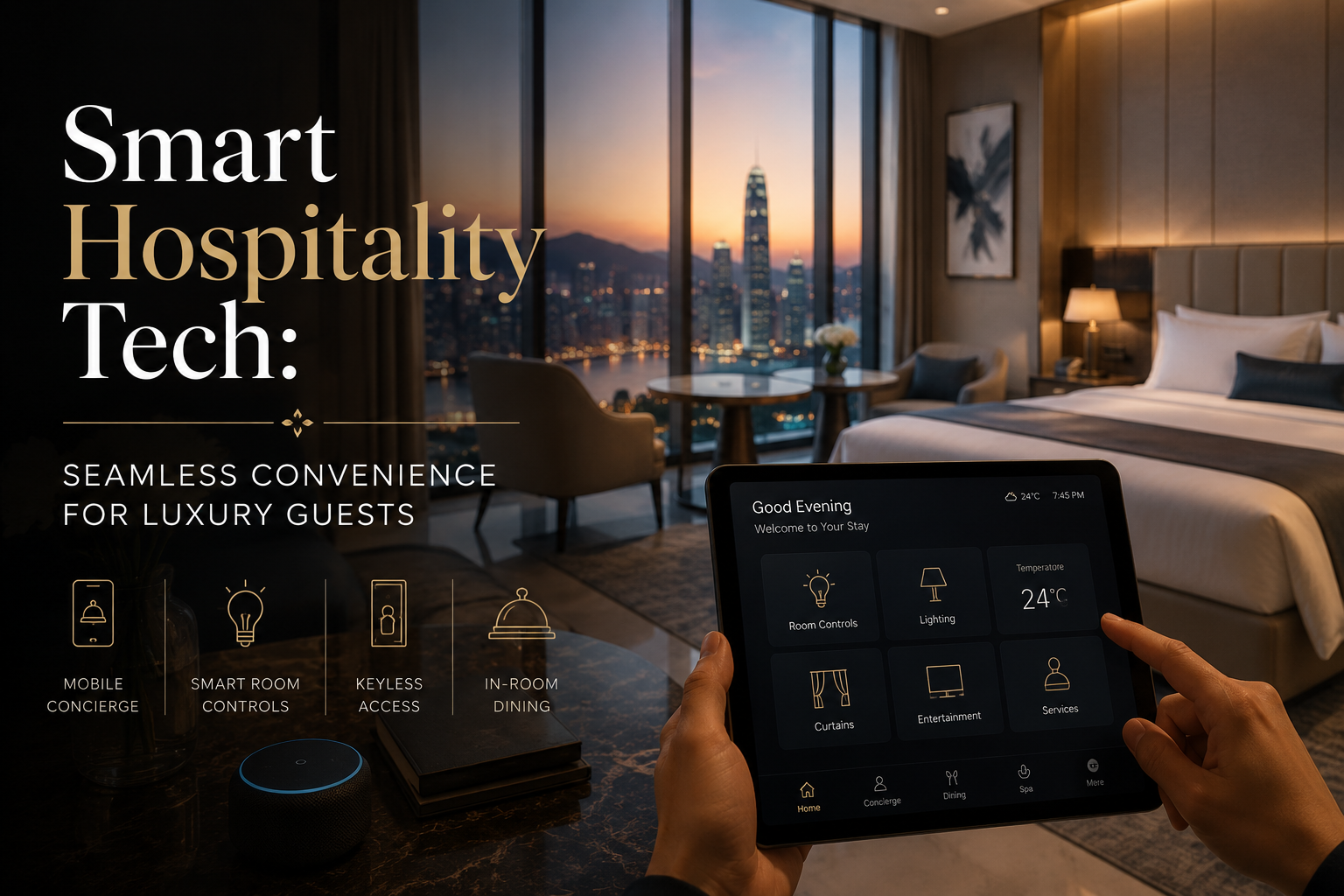
Smart Hospitality Technology: How Luxury Hotels Create Seamless Convenience for Guests
Hotels are changing how they welcome guests, making things easy and personal. They are using technology to make every part of a guest's stay better, from booking to leaving. This article shows how smart hospitality tech is becoming common, giving travelers what they want without them asking.
- Smart technology lets hotels set room temperature and lights just how guests like them, even before they arrive.
Making Stays Better with Smart Technology
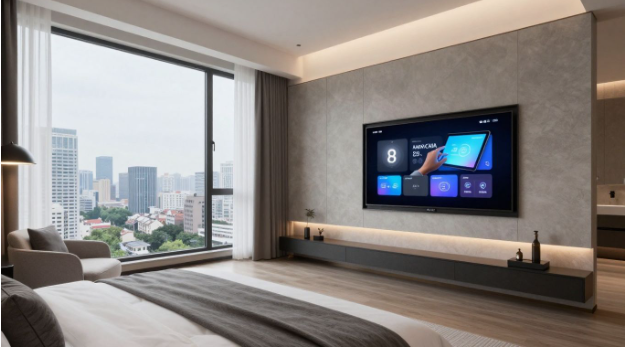
Today's luxury travelers want more than just a nice room; they want an experience that feels made just for them. Smart technology helps make stays easier and more pleasant by guessing what guests might need. It makes everything feel seamless.
Your Room, Your Way: Smart Room Controls
Imagine walking into a hotel room that already has your favorite temperature and lighting. Smart systems can learn what you like, or you can set it with an app before you get there. This means you don't have to fiddle with controls when you arrive. It helps you feel at home right away. This is how luxury hotels use tech to make guests happy.
- Temperature: Rooms are set to your preferred comfort level.
- Lights: You can choose settings for relaxing, working, or waking up.
- Blinds/Curtains: They can open or close automatically based on the time of day or your choice.
These controls help make the room feel like your personal space.
Seamless Check-in and Check-out for the Hotel Guest
No one likes waiting in line. Smart technology makes arriving and leaving much quicker. You can check in using your phone and use your phone as a key to get into your room, skipping the front desk. Checking out is just as easy with quick billing and express options.
The goal is to make the guest's journey smooth. Quick and easy arrivals and departures leave a great impression of the hotel.
- Mobile Check-in/out: Do it all on your phone.
- Keyless Entry: Use an app or code to open your room door.
- Fast Billing: Get your bill sent straight to your email or app.
The hotel is ready when you are.
Getting Help is Simple for Guests
Asking for things should be easy. Smart systems give guests simple ways to get what they need. Whether it's ordering food, asking for more towels, or booking a spa visit, it should be fast and clear. This is often done through screens in the room or a hotel app.
- Digital Helper: Get hotel info and local tips anytime.
- Quick Messages: Talk directly to hotel staff for fast requests.
- Book Services: Easily schedule dining, spa, or other hotel activities.
Making service requests simple helps hotels respond faster, making guests happier. It puts convenience at your fingertips, like at places such as Artbliss Hotel.
Comfort Through Smart Automation in the Hotel
Luxury hotels are using smart tech to make stays more comfortable and meet guest needs quickly. This tech anticipates what guests want and responds right away. Imagine a room that's already the right temperature with perfect lighting when you walk in. That's smart automation.
Automatic Temperature and Lights
Smart temperature control is important. Sensors can tell if a room is empty and adjust the temperature to save energy. Some systems learn what guests like over time. For example, if you always lower the heat at night, it can start doing that for you. Lights can also be automated with settings for different times or activities, like a gentle light to wake you up or soft light for relaxing. This makes the room feel more pleasant and responsive.
- Light settings: 'Welcome', 'Reading', 'Sleep'
- Temperature adjusts based on if someone is in the room
- Learns your preferred temperature
- Uses natural light to save energy
These systems make the room feel personal and cared for.
Smart Entertainment and TV Casting
Entertainment systems are also getting smarter. Guests can control TVs and music using their voice or a tablet. You can ask your room to play your favorite music or a movie without searching for remotes. This is what modern luxury guests expect – easy entertainment. TV casting allows guests to stream content from their devices directly to the hotel room television, offering a seamless entertainment experience.
Smart entertainment lets guests enjoy content with simple voice commands, turning their room into a personal media center. The technology serves the guest's immediate wishes.
Automated Evening Service
Automated evening services, like preparing the room for the night, are also improving. Smart sensors can let staff know when a guest is out, making it a good time for service. This ensures the service is always on time and doesn't disturb guests, making them feel looked after without feeling bothered. It uses technology to help, not replace, the human touch in hotels, ensuring the guest experience is excellent.
- Sensors alert staff when service is needed
- Lights adjust automatically for the evening
- Works with room service for special touches
- Curtains close automatically for privacy
These automated touches make a stay feel effortless and luxurious. They show the hotel is thinking ahead to provide comfort and convenience. It’s a subtle way to make a stay memorable, like the thoughtful design at places like Artbliss.
Smoother Operations with Connected Devices
Hotels are using connected devices to make things run better behind the scenes. This helps the whole operation work more smoothly, especially when needs change quickly. It gives staff better tools to do their jobs.
Instant Staff Communication
Getting information to the right person quickly is important. Smart systems can send alerts directly to staff devices instead of using radios. This means:
- Housekeeping knows right away when a room is ready to be cleaned.
- Maintenance is told immediately about a problem, like a broken air conditioner.
- The front desk sees real-time updates on which rooms are occupied.
This instant communication reduces delays and helps meet guest needs faster. It allows for quicker service. This technology is key for high-performing hotels.
Predicting Maintenance Needs
Unexpected breakdowns are never good, especially in a luxury hotel. Connected devices can watch equipment like air conditioners and elevators. They can find small problems before they become big ones.
- Sensors can detect strange movements in an elevator.
- Temperature readings might show an air conditioner is working too hard.
- How often equipment is used can show if it's nearing the end of its life.
This allows maintenance teams to fix things during quiet times, avoiding guest problems and saving money on emergency repairs. It's a smarter way to handle upkeep.
Managing Supplies
Keeping track of supplies can be difficult. Smart systems can help with this. Sensors can check how much is left of things like mini-bar items or toiletries. When supplies are low, an alert can be sent to the right department.
Using connected devices helps hotels manage things ahead of time instead of just reacting to problems. It's about expecting needs, for both guests and the hotel, which is important for keeping a luxury standard and managing costs.
This helps prevent running out of items and reduces waste, making the hotel more eco-friendly and cost-effective. It’s a practical use of technology that helps the hotel's finances and guest satisfaction.
Using Information for Better Service
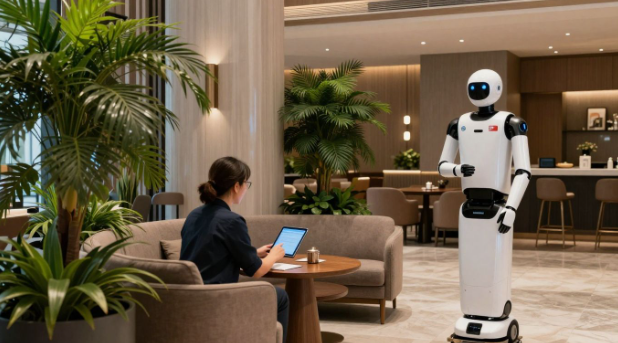
Knowing what guests want before they ask is the new standard in luxury hotels. It's about expecting needs and making the whole stay feel special. This means using information from guest interactions to make their stay feel unique.
Knowing What Guests Like
Gathering and looking at guest information is important. This is about smart observation, not spying. Think about how a guest always orders a certain coffee or likes a specific room temperature. These details help create a truly personal experience. It makes guests feel noticed and understood from the start.
Here’s what hotels can track:
- Past stays (room type, dates)
- Orders in the room (food, drinks, items)
- How guests prefer to be contacted (text, app, in person)
- Feedback from surveys or conversations
- Activities they enjoy (spa, dining, local tours)
This information helps create a guest profile, allowing for more intuitive service. It’s about seeing patterns and using them to make future interactions better. This is a big part of digital changes in hotels.
The goal is to use guest information to improve service, which then provides more information for even better service. It's a cycle of improvement focused on the guest.
Making Services Better
Once you know what guests prefer, you can improve how services are offered. For example, if data shows many guests order late-night snacks, the hotel can make sure room service is easy to access and staff are ready. Knowing that guests prefer quiet rooms after 9 PM can help with cleaning schedules or room entertainment. This allows hotels to adjust services based on what guests actually do, not just guess.
Here’s an example:
- Observation: Many guests ask for extra towels soon after checking in.
- Analysis: A pattern shows that more towels might be needed in rooms from the start.
- Action: Add an extra set of towels to the standard room supplies.
- Result: Fewer guest requests, happier guests, and more efficient staff time.
Using information this way helps staff focus on more complex guest needs. It makes operations smarter and more responsive to what guests actually want.
Making Future Stays Personal
The main goal of collecting guest data is to make every future stay better than the last. Imagine returning and finding your favorite newspaper or drinks already in your room. This makes guests feel valued and encourages them to return. It’s about building relationships. Hotels that do this well can stand out, attracting travelers who expect personal attention. This is a key part of how technology is improving hotels.
The Future of Hotel Technology
The luxury hotel world is changing a lot, driven by new ways of thinking about service. It's all about making things very personal and quickly meeting what guests want, right when they want it.
AI Concierge Services
Imagine a helper that knows what you like before you say it. AI is making this happen. These systems learn from your past stays and current requests to suggest things to do, book places, or change room settings. It's about guessing needs, not just reacting. These are smart assistants that can handle many requests.
- Personal suggestions: AI can suggest places to eat or things to do based on your profile.
- Helpful service: The system might suggest a quiet time for your room before a spa appointment.
- Language help: AI can translate instantly, making international guests feel welcome.
This kind of personal service from AI is becoming a key way for luxury hotels to stand out. It creates a unique experience for every visitor.
Biometric Access and Security
No more searching for key cards. The future uses biometric technology for easier and safer access. Think face or fingerprint scans to enter your room, skipping check-in lines. This is convenient and also makes things more secure, ensuring only the right people get into certain areas. It's a step towards a stay without keys and without hassle.
Biometric systems offer strong security and easy guest entry, meeting the need for both safety and speed in luxury travel.
Connecting with Local Experiences
Luxury travel is about the place you visit, not just the hotel. Future technology will help guests connect more with their surroundings. This could be AI suggesting local tours, booking unique classes, or arranging special access to events based on your interests. It makes the whole trip, inside and outside the hotel, a connected and memorable experience. This fits with the growing interest in travel experiences that go beyond the usual tourist spots.
This means hotels become gateways to real local culture, not just places to sleep. It's about technology helping guests find experiences they are looking for.
The Future of Luxury Stays is Here
So, what does all this tech mean for luxury hotels? It means guests can expect even more personal service and easy stays. From booking to leaving, smart technology works quietly to make things smoother. It's about using tools to focus on what's important – making guests feel welcome and cared for. For hotel owners, it's a smart way to manage properties better and keep guests returning.
Common Questions
What is smart hotel technology?
Smart hotel technology uses cool tools and software to make staying at a hotel easier and more comfortable. It's like having a helpful assistant that adjusts your room or makes checking in simple.
How does smart tech make my room feel special?
It can learn what you like! Your room can automatically set the right temperature and lights when you arrive, or play your favorite music. It makes the space feel perfect for you.
Can smart tech help me get around or get things I need?
Yes! You can use an app or voice commands to ask for extra towels, order food, or get suggestions for local places. It reduces waiting and makes getting help very fast.
How does this tech help hotel staff?
Smart tech helps hotel workers a lot. It can instantly tell them if something needs fixing or remind them to restock items like coffee. This means they can help guests faster and solve problems before they become major issues.
Does this technology remember what I prefer for future visits?
Yes, that's a big part of it! By remembering things like your preferred room temperature or if you like extra pillows, the system can make your next stay even better. The hotel gets to know you and anticipates your needs.
Will AI help guests even more?
Yes. AI is acting like a very smart virtual assistant, answering questions, booking tours, and giving personal advice. It makes your trip smoother and more enjoyable with advanced technology.
Share to social media
More posts