

Do Hot Tubs Increase Airbnb Bookings?

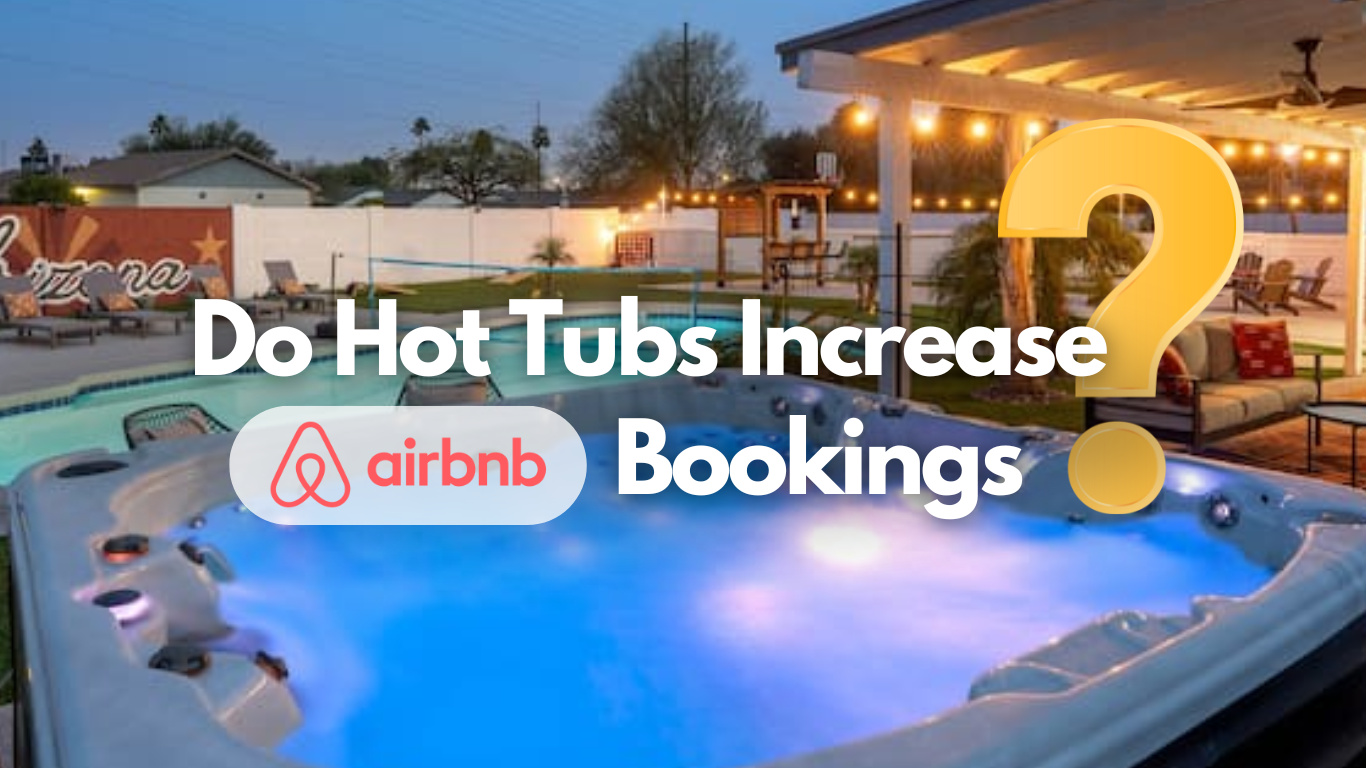
Yes, adding a hot tub to your Airbnb property can be a game-changer, significantly increasing both bookings and revenue. As one of the most popular filters on Airbnb, hot tubs are a highly desirable amenity among travelers.
Data suggests that properties with hot tubs often see noticeable improvements in performance metrics, including higher booking rates, increased nightly prices, and improved overall revenue. For instance, in mountain and coastal markets, properties with hot tubs have reported booking rate increases of up to 10% and nightly rate hikes of up to 20%, depending on location and demand.
In the competitive world of Airbnb hosting, property owners are always looking for ways to stand out and maximize their income. Adding a hot tub is often discussed as a high-impact upgrade — frequently described as a luxury feature that can enhance booking rates and boost nightly pricing. But does the data support these claims? And what should hosts consider before making the investment?
This article delves into the benefits, costs, and key factors to consider when adding a hot tub, using insights drawn from industry analytics.
How Does a Hot Tub
Increase Bookings?
3 Simple words: Elevating Guest Appeal
Adding a hot tub to your Airbnb property has the potential to transform its appeal, making it stand out in competitive markets and attract a broader range of travelers. Literally, once you have a hot tub, you can now be considered when the hot tub filter is applied.
But what makes this amenity so impactful? From boosting booking rates to enhancing guest satisfaction, hot tubs combine the allure of luxury with practical year-round benefits. Let’s explore how this single upgrade can contribute to your property’s success.
Boosting Booking Rates
Properties with hot tubs often experience increased demand, with some seeing booking rate improvements of up to 10% in favorable markets. However, these figures are not universal. Location, guest demographics, and seasonality play significant roles in determining the impact. For instance:
- Mountain and Lakeside Properties: Hot tubs are a staple for year-round relaxation, appealing to guests seeking cozy winter retreats or post-hike soaks in summer.
- Coastal Properties: Hot tubs can provide an edge during cooler months, attracting guests looking for unique ways to unwind by the water.
By understanding your market, you can better predict how a hot tub might influence booking demand for your property. Consistently high demand for hot tubs in specific locations underscores their universal appeal as an amenity.
Higher Nightly Rates
One of the most compelling arguments for adding a hot tub is the potential to charge higher nightly rates. Data from AirDNA reveals that listings with hot tubs can command up to 20% more per night in premium markets. However, this figure is not uniform across all regions:
- Luxury Markets: Properties in high-demand areas, such as upscale resort towns or exclusive mountain retreats, often see the greatest benefit.
- Standard Markets: While increases are still possible, the uplift may be less pronounced where hot tubs are more common.
This premium pricing capability reflects a guest’s willingness to pay for amenities that enhance their experience. Luxury travelers especially prioritize features like hot tubs, viewing them as essential for an upscale stay.
Improved Revenue Metrics
To truly understand the financial benefits, it’s important to examine how a hot tub affects key revenue metrics:
- RevPAR: According to AirDNA, coastal properties with hot tubs can see an average boost of 32%, while mountain properties report a 34% increase.
- ADR: Listings with hot tubs often achieve an average increase of 26% in daily rates, highlighting the amenity’s strong appeal.
- Occupancy Rates: Although occupancy boosts tend to be modest (up to 9% in mountain regions), the higher-paying guests drawn by this amenity contribute to overall revenue growth.
For hosts in seasonal markets, these metrics demonstrate the versatility of a hot tub—able to draw bookings during low-demand periods, such as winter in coastal areas or summer in mountain regions.
The Case for Hot Tubs
By providing a mix of practical and luxurious benefits, hot tubs enhance a property’s appeal in multiple ways.
Whether your property caters to adventure seekers, luxury travelers, or families, the potential for higher rates and improved booking performance makes this upgrade a strategic investment. However, success depends on understanding your market’s unique dynamics and aligning your offerings with guest preferences.
The Value of Amenities on Airbnb: Understanding Guest Preferences
Tailoring to Guest Needs
Airbnb Amenities are more than just features; they are essential tools for crafting memorable guest experiences and differentiating your property from competitors. Hot tubs, in particular, stand out as a high-impact amenity that caters to diverse traveler preferences. Here’s how this upgrade aligns with what today’s guests are looking for.
Guest Preferences by Market
Luxury travelers often cite hot tubs as a defining feature of high-end accommodations. According to Booking.com Insights, 60% of affluent travelers view this amenity as essential for a premium stay. Meanwhile, 68% of general travelers consider amenities like hot tubs critical in their decision-making process, signaling their importance across broader markets.
Seasonality further emphasizes the value of hot tubs. Winter travelers seek cozy retreats where they can relax in warm, bubbling water after skiing or exploring snowy landscapes. Summer guests, particularly in cooler regions, appreciate hot tubs as a way to wind down under the stars. This dual appeal ensures that hot tubs are not just a seasonal asset but a year-round draw.
Practical Considerations for Hot Tubs
While the appeal of hot tubs is clear, hosts must also weigh the practical aspects of adding this amenity. Key considerations include:
- Space and Placement: Ensure your property has sufficient outdoor space for a hot tub, ideally in a private or semi-private area that enhances the guest experience.
- Safety and Accessibility: Implement safety measures like non-slip steps, secure covers, and clear operational instructions to protect both guests and the hot tub itself.
- Maintenance Requirements: Hot tubs require regular cleaning, water treatment, and periodic repairs. Be prepared to invest time and resources to keep it in top condition.
These considerations ensure that the hot tub remains an asset rather than a liability, preserving its value to both the host and the guest.
Enhancing Guest Satisfaction
Hot tubs not only attract bookings but also elevate the guest experience, leading to stronger reviews and repeat stays. Properties that align their amenities with guest needs often enjoy a competitive edge, positioning themselves as top choices in their markets. By prioritizing guest satisfaction, you’re setting your property up for long-term success.
Investment and Returns: Calculating the Value of a Hot Tub
Measuring ROI
Understanding the financial impact of adding a hot tub is crucial for hosts considering this upgrade. While the upfront costs can be significant, the potential returns in terms of booking rates, revenue metrics, and guest satisfaction often justify the investment. Let’s break down the numbers and key factors to consider.
Upfront Costs
The initial investment for a hot tub varies based on size, features, and installation requirements:
- Purchase Price: Hot tubs typically range from $3,000 to $15,000, depending on the model and brand. Higher-end models with advanced features, such as built-in lighting or jets, fall on the upper end of this range.
- Installation Costs: Additional expenses for electrical work, decking, or landscaping can add $1,000 to $5,000. Homes without existing infrastructure for a hot tub may incur higher setup costs to accommodate electrical outlets or reinforced surfaces.
- Permits: Some areas may require permits for hot tub installation, costing $100 to $500. Permitting ensures compliance with local safety regulations and zoning requirements, which can vary by jurisdiction.
Ongoing Expenses
Maintenance and operational costs are recurring considerations that ensure the hot tub remains functional and appealing to guests:
- Utilities: Expect an increase of $20 to $50 per month in energy costs, depending on usage and efficiency. Energy-efficient models can help lower these costs.
- Cleaning and Maintenance: Regular upkeep, including water treatment and filter replacement, typically costs $500 to $1,500 annually. Cleaning schedules depend on guest usage but are vital for maintaining hygiene and prolonging the hot tub’s lifespan.
- Repairs: Over time, you may need to budget for repairs or part replacements, which can range from $200 to $1,000. Common issues include replacing heating elements, fixing leaks, or upgrading control panels.
Maximizing Returns
To ensure the best return on investment, consider these strategies:
- Market Research: Use tools like AirDNA to evaluate demand in your area. Properties in high-demand regions, such as ski towns or luxury coastal markets, often yield the best returns. Data-driven insights can help you understand when and where a hot tub is most appealing.
- Guest Messaging: Highlight the hot tub in your listing description and include high-quality photos that showcase it as a key feature. Position the amenity as a centerpiece for relaxation, perfect for everything from romantic getaways to family vacations.
- Seasonal Pricing: Adjust rates during high-demand seasons, such as winter for mountain properties or spring for coastal retreats, to maximize profitability. Highlight the hot tub’s year-round appeal in marketing materials to encourage bookings in slower seasons.
Long Term Considerations
A hot tub can enhance your property’s reputation over time. Listings with standout amenities often accumulate more positive reviews, which improve search rankings and attract repeat guests. Additionally, certain costs associated with a hot tub, such as installation, maintenance, and utilities, may qualify as tax-deductible rental expenses if the hot tub is used exclusively for your short-term rental. Consult with a tax professional to understand how these deductions apply to your property and maximize the financial benefits of your investment.
Balancing Costs and Benefits
While the costs of purchasing and maintaining a hot tub can add up, the potential for higher nightly rates and increased booking demand often offsets these expenses. By carefully evaluating your property’s market and guest preferences, you can make an informed decision about whether this investment aligns with your hosting goals. A well-placed, well-maintained hot tub can transform a property, making it a standout choice in competitive markets.
Expert Property Management with Home Team Vacation Rentals
At Home Team Vacation Rentals, we specialize in helping property owners maximize the potential of their vacation rentals. Our full-service vacation rental management program is designed to take the hassle out of hosting, from guest communication and property maintenance to marketing and booking optimization. With our expert team handling the day-to-day operations, you can focus on enjoying the financial rewards of your investment.
Beyond property management, we also help aspiring hosts find and purchase the perfect vacation rental. Our team leverages extensive market knowledge to identify properties with untapped potential, offering guidance on upgrades that turn them into high-performing luxury Airbnbs. Whether you’re looking to expand your portfolio or make your first investment, we’ll walk with you every step of the way to ensure success.
With Home Team Vacation Rentals, you gain more than a management service—you gain a partner dedicated to helping you achieve your goals. Contact us today to explore how we can elevate your vacation rental hosting experience.
Works Cited
- AirDNA. “The Best Airbnb Amenities Proven to Increase Revenue.” AirDNA Blog, March 7, 2024. www.airdna.co/blog/the-best-airbnb-amenities-to-boost-your-occupancy-rate-adr-and-revpar.
- Aqua Living Factory Outlets. "How Hot Tubs Make More Money for Your Airbnb." Aqua Living Factory Outlets, https://aqualivingstores.com/how-hot-tubs-make-more-money-for-your-airbnb/. Accessed 2 Jan. 2025.
Share to social media
More posts